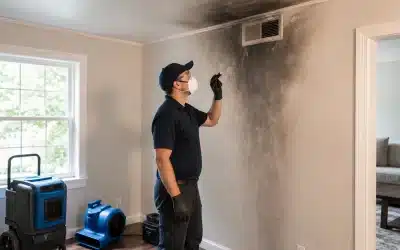
Can Smoke and Soot Enter Air Ducts After a House Fire? Smoke and soot can enter air ducts after a house fire, especially when the heating or cooling system operates during the fire or shortly afterward. Smoke may move through return-air openings, filters, supply...
What Is Soot Damage and Why Is It Difficult to Clean?
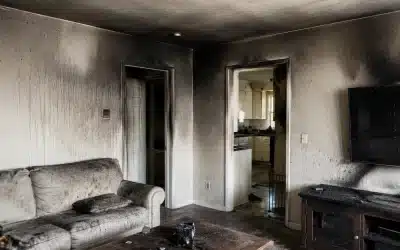
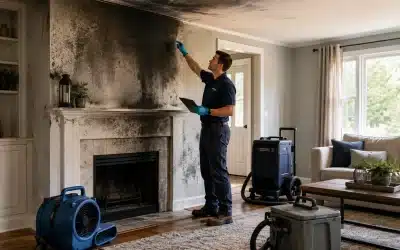
What Is Soot Damage and Why Is It Difficult to Clean? Soot damage is the staining, contamination, odor, and material deterioration caused by fine residue released during incomplete combustion. After a residential or commercial fire, soot can settle on walls, ceilings,...
Can Smoke Damage Affect Walls, Ceilings, and Air Ducts?
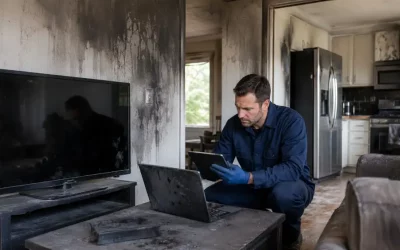
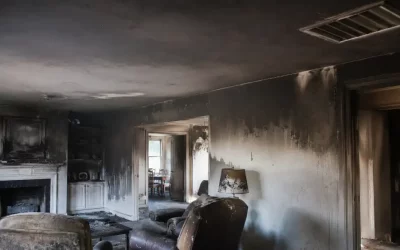
Smoke Damage on Walls, Ceilings, and Air Ducts After a Fire Smoke damage on walls, ceilings, and air ducts can occur even when the flames were limited to one room. Smoke rises, follows airflow, moves through doorways and hallways, and may enter vents, return-air...
Smoke Damage in Your Home: What Should You Do Next?
Smoke Damage in Your Home: What Should You Do Next? Smoke damage in your home should be handled carefully because soot, smoke residue, and odor can remain on walls, ceilings, floors, furniture, air pathways, and concealed surfaces after a fire. Even when the flames...
When Should You Call for Smoke Damage Restoration?
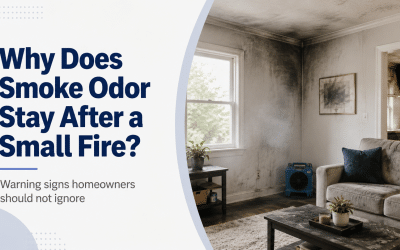
Smoke Odor After Fire: Why It Lingers and What to Do Smoke odor after fire can remain inside a home or commercial property because smoke particles, soot residue, and odor compounds settle into walls, ceilings, fabrics, carpets, furniture, cabinets, insulation, and...
What Should You Document Before Fire or Water Damage Cleanup?
How to Document Before Fire or Water Damage Cleanup Starts To document before fire or water damage cleanup, property owners should take wide photos, close-up photos, video walkthroughs, written notes, damaged item lists, receipts, and emergency service records before...