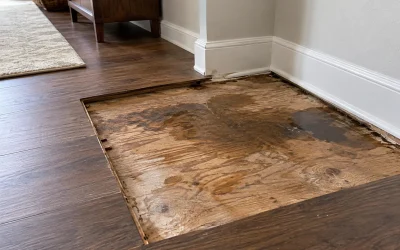
What Signs Show That a Water-Damaged Subfloor Can No Longer Be Saved? A wet subfloor does not always need to be replaced, but replacement becomes more likely when the material is swollen, soft, delaminated, structurally weakened, contaminated, mold-affected, or unable...
Can a Water-Damaged Ceiling Be Dried, or Does the Drywall Need to Be Replaced?
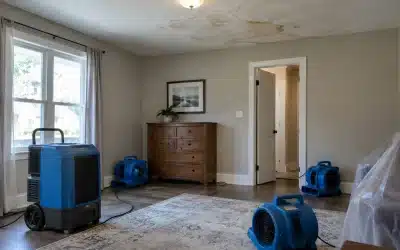
How Do You Know Whether Water-Damaged Ceiling Drywall Can Be Saved? Water-damaged ceiling drywall may sometimes be dried and retained when the water exposure is limited, the drywall remains structurally sound, the water source is clean, and moisture can be removed...
What Happens When a Sump Pump Fails During Heavy Rain?
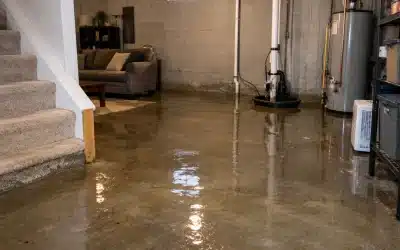
How Can a Sump Pump Failure Flood a Basement During Heavy Rain? When a sump pump fails during heavy rain, groundwater and storm-related seepage can begin filling the sump pit and then overflow into the basement, leading to standing water, wet flooring, soaked drywall,...
What Happens When Water Gets Behind Kitchen Cabinets?
What Happens When Water Gets Behind Kitchen Cabinets? Water damage behind kitchen cabinets can affect far more than the visible cabinet surface. Water from a leaking sink, dishwasher, refrigerator supply line, drain connection, garbage disposal, or concealed pipe can...
How Does Firefighting Water Cause Secondary Damage After a House Fire?
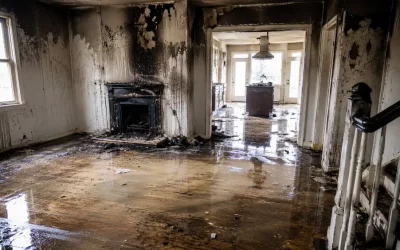
How Does Firefighting Water Cause Secondary Damage After a House Fire? Firefighting water damage occurs when water used by fire hoses, automatic sprinklers, and other suppression methods saturates a property during or after a fire. The water can soak ceilings,...
Can Water-Damaged Hardwood Floors Be Saved?
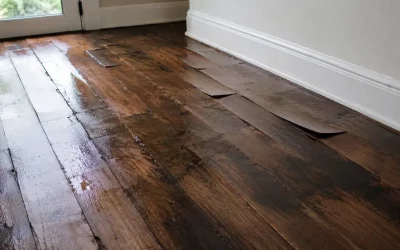
Can Water-Damaged Hardwood Floors Be Saved? Water damaged hardwood floors can sometimes be saved when the water is removed quickly, the source is relatively clean, and the floorboards and subfloor remain structurally sound. Restoration becomes less likely when the...