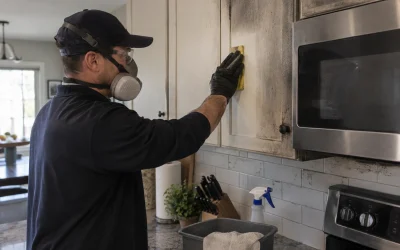
What Can Be Cleaned and What Must Be Replaced After a Kitchen Fire?
How Do Restorers Decide What Can Be Saved After Kitchen Fire Damage? After a kitchen fire, some materials may be cleaned and restored while others need replacement because of burning, heat damage, grease-laden soot, smoke residue, water exposure, structural...
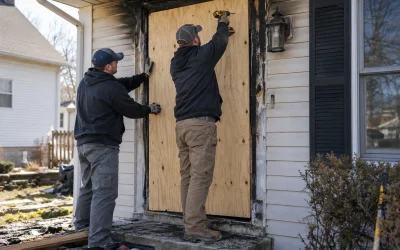
What Is Emergency Board-Up and When Is It Needed After a Fire?
How Does Emergency Board-Up Protect a Fire-Damaged Property? Emergency board-up is the process of temporarily securing windows, doors, wall openings, roof openings, and other vulnerable parts of a property after a fire. It is commonly needed when firefighters, heat,...
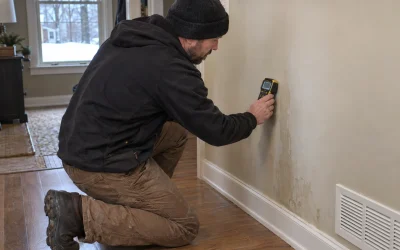
What Should You Do When a Frozen Pipe Bursts Inside a Wall?
How Should You Respond to a Burst Pipe Hidden Behind Drywall? When a frozen pipe bursts inside a wall, the first priorities are stopping the water supply, avoiding electrical hazards, protecting nearby contents when it is safe, and arranging emergency plumbing and...
What Materials Usually Need to Be Removed After a Sewage Backup?
Which Building Materials Are Usually Unsafe to Keep After Sewage Contamination? Materials that absorb sewage-contaminated water are often more likely to require removal because contaminants can penetrate porous surfaces and remain difficult to clean completely. Carpet...
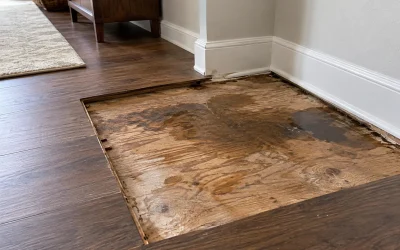
How Do You Know If a Wet Subfloor Needs to Be Replaced?
What Signs Show That a Water-Damaged Subfloor Can No Longer Be Saved? A wet subfloor does not always need to be replaced, but replacement becomes more likely when the material is swollen, soft, delaminated, structurally weakened, contaminated, mold-affected, or unable...
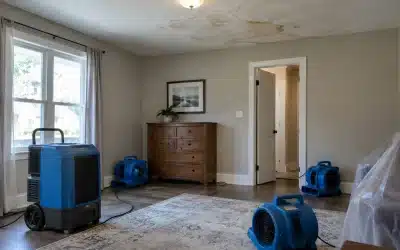
Can a Water-Damaged Ceiling Be Dried, or Does the Drywall Need to Be Replaced?
How Do You Know Whether Water-Damaged Ceiling Drywall Can Be Saved? Water-damaged ceiling drywall may sometimes be dried and retained when the water exposure is limited, the drywall remains structurally sound, the water source is clean, and moisture can be removed...