
Which Building Materials Are Usually Unsafe to Keep After Sewage Contamination?
Materials that absorb sewage-contaminated water are often more likely to require removal because contaminants can penetrate porous surfaces and remain difficult to clean completely. Carpet padding, saturated drywall, insulation, some flooring products, composite cabinets, upholstered items, and other absorbent materials may need to be discarded when they have been directly exposed to sewage.
Not every material in a sewage-damaged room automatically requires demolition. Nonporous and some semi-porous materials may sometimes be cleaned, disinfected, dried, and retained when they remain structurally sound and can be accessed thoroughly. The decision depends on the material, amount of contamination, duration of exposure, water pathway, construction, and whether the surface can be safely cleaned.
Sewage cleanup is different from drying a clean plumbing leak. The restoration plan must address both moisture and contamination before damaged areas are rebuilt.
Quick Answer
After a sewage backup, porous materials that directly absorb contaminated water commonly require removal. These may include carpet padding, saturated drywall, wet insulation, some composite flooring and cabinetry, upholstered materials, and other difficult-to-clean contents. Hard, nonporous surfaces may sometimes be retained after appropriate cleaning and drying. The affected area should be professionally evaluated because sewage can spread beneath flooring, behind baseboards, into walls, and through other concealed areas.
Key Takeaways
- Sewage water should be treated differently from a clean-water plumbing leak because contamination is a major concern.
- Porous materials that absorb sewage are more likely to require removal.
- Carpet padding is commonly removed after direct sewage exposure.
- Drywall may require partial removal when sewage has wicked into the gypsum or paper facing.
- Wet insulation is difficult to clean thoroughly and may need removal.
- Hard, nonporous materials may sometimes be cleaned, disinfected, dried, and retained.
- Sewage may travel beneath flooring and behind walls beyond the visibly wet area.
- Cleanup should include contamination control, removal, cleaning, drying, verification, and reconstruction as needed.
Table of Contents
- Why sewage damage is different from ordinary water damage
- Which materials usually need removal
- What happens to sewage-damaged carpet and padding
- When drywall and insulation need removal
- What happens to flooring and subflooring
- Whether cabinets and woodwork can be saved
- Which household contents may need disposal
- Which materials may sometimes be retained
- What to do after a sewage backup
- Mistakes to avoid
- How professional sewage cleanup works
- How reconstruction is handled after cleanup
- How long sewage cleanup and rebuilding may take
- What affects sewage restoration cost
- Insurance documentation considerations
- Northern Illinois and Southern Wisconsin considerations
- Frequently asked questions
Why Is Sewage Damage Different From Ordinary Water Damage?
Sewage water can contain microorganisms, organic waste, chemicals, and other contaminants that change how affected materials should be handled. Restoration is not limited to removing water and drying the structure.
The work may also require:
- Contamination control
- Personal protective equipment
- Controlled removal of porous materials
- Cleaning and disinfection
- Air and dust management
- Structural drying
- Odor control
- Verification before reconstruction
McMahon Services explains the distinction in its guide to how sewage backup differs from ordinary water damage.
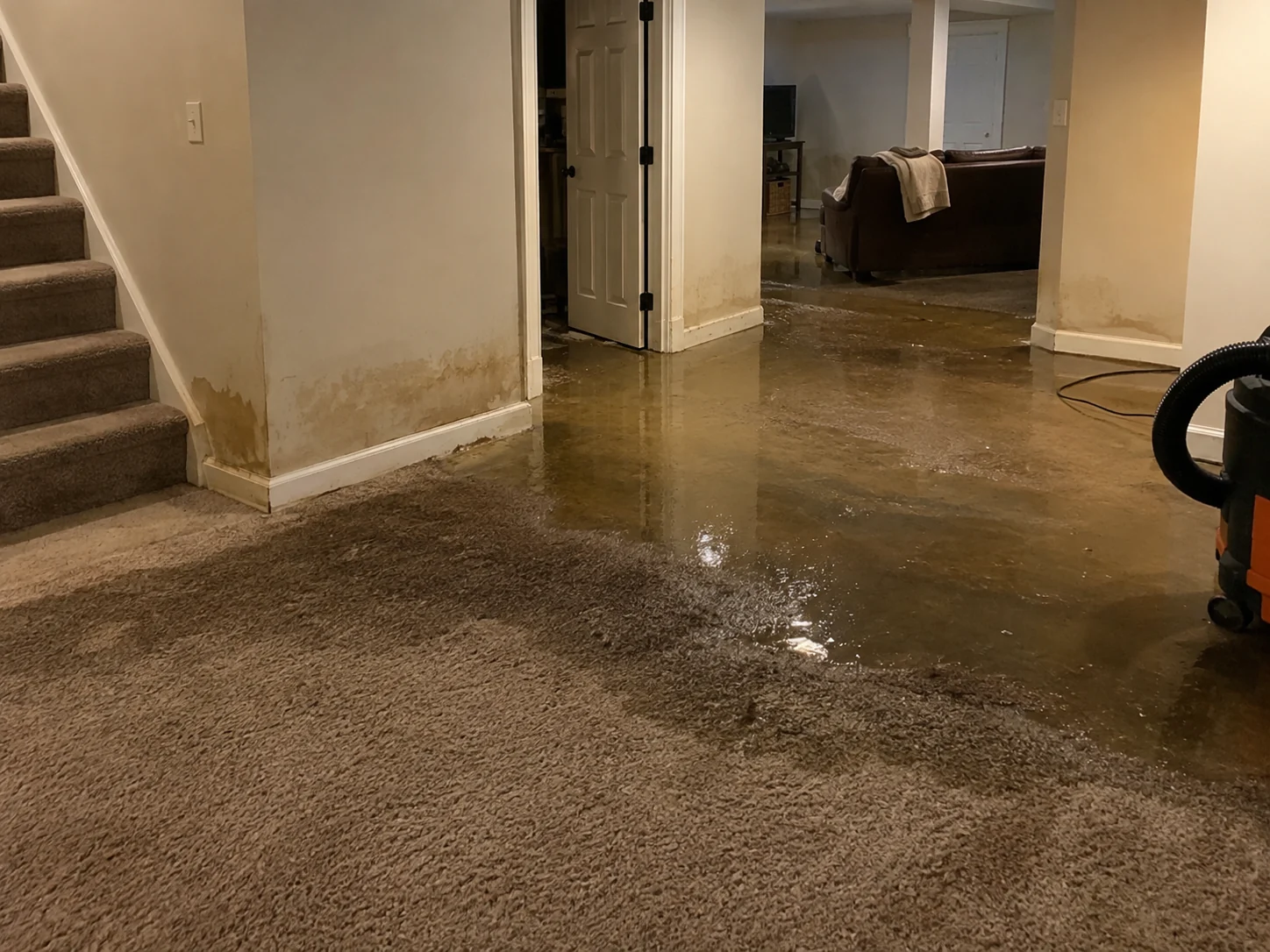
The Visible Water Line May Not Show the Full Contamination Boundary
Sewage can move beneath flooring, behind baseboards, into drywall, through floor penetrations, around cabinets, and into adjoining rooms. Materials that do not look heavily soiled may still have been exposed.
Drying Alone Is Not Enough
A material may eventually become dry but still be unsuitable to retain if sewage contaminants penetrated the surface and cannot be reliably removed.
This is why material decisions after sewage exposure are based on both moisture and cleanability.
Which Materials Usually Need to Be Removed After a Sewage Backup?
Highly porous materials are generally the most difficult to restore after direct sewage exposure because contaminated liquid can penetrate beyond the surface.
Materials Commonly Considered for Removal Include:
- Carpet padding
- Heavily contaminated carpet
- Saturated drywall
- Wet fiberglass or cellulose insulation
- Laminate flooring with contaminated water beneath it
- Composite or particleboard cabinets that absorb sewage
- Swollen MDF baseboards and trim
- Some upholstered furniture
- Mattresses and box springs exposed to sewage
- Paper products and cardboard
- Contaminated acoustic ceiling tile
- Other porous contents that cannot be thoroughly cleaned
The exact removal boundary depends on direct exposure, wicking, splash, material construction, contamination level, and whether the item can be cleaned completely.
Does Carpet Need to Be Removed After a Sewage Backup?
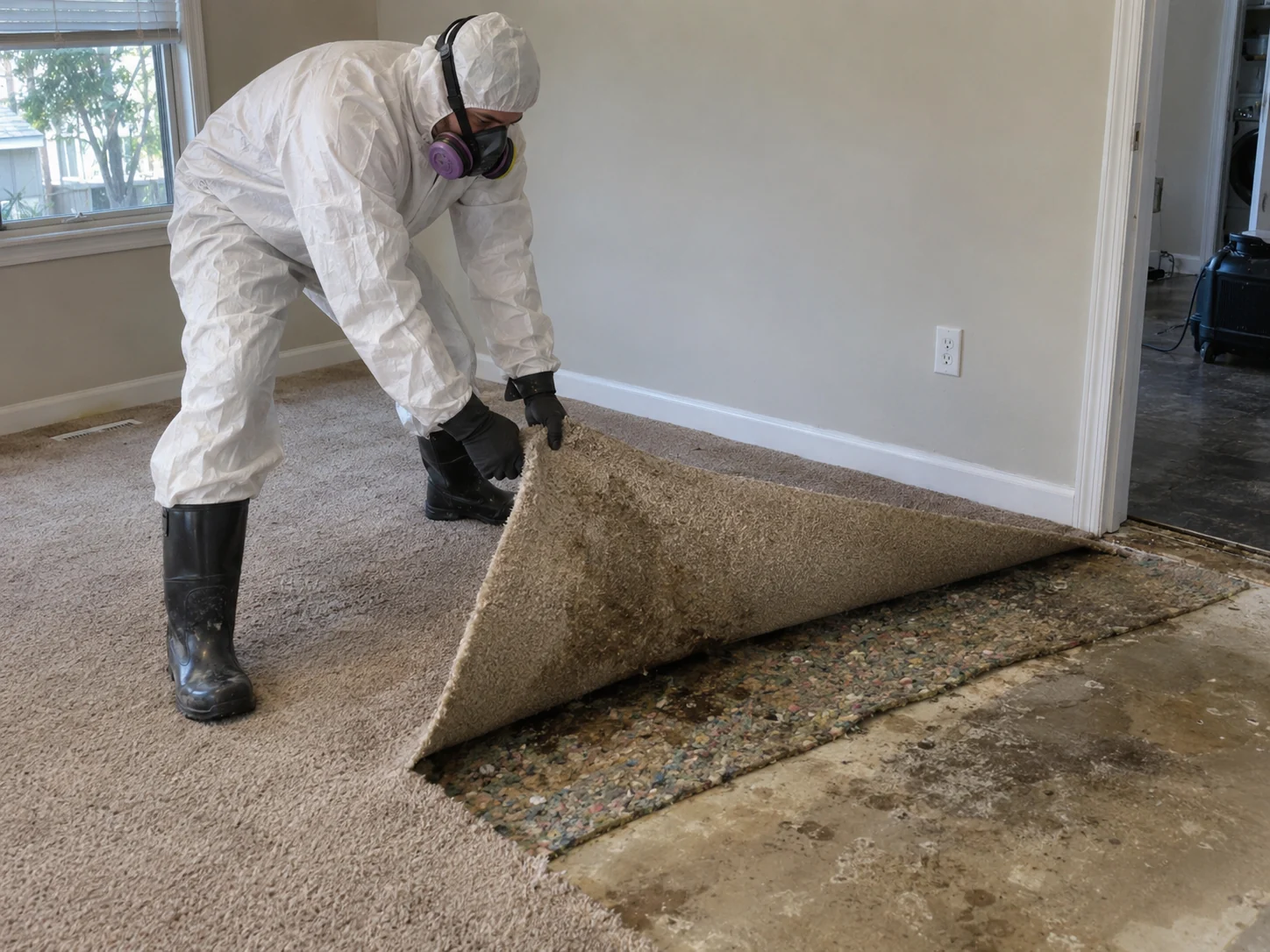
Carpet and carpet padding require careful evaluation after sewage exposure. Padding is highly absorbent and difficult to clean in place once contaminated water penetrates it.
Carpet Padding Is Commonly Removed
Padding can hold contaminated water beneath the carpet surface and against the subfloor. Even after extraction, contaminants and odor may remain within the material.
For this reason, directly sewage-contaminated padding is commonly removed rather than dried for reuse.
Carpet Decisions Depend on Exposure
Carpet that has been directly saturated by sewage is different from carpet in an adjacent dry area. The decision should consider how far the contaminated water spread, whether the carpet backing was exposed, and whether cleaning can be performed reliably.
The Subfloor Must Still Be Evaluated
Removing carpet and padding does not complete the cleanup. The subfloor underneath may require cleaning, moisture testing, drying, and possible removal if it is damaged or cannot be restored safely.
Does Sewage-Damaged Drywall Need to Be Removed?
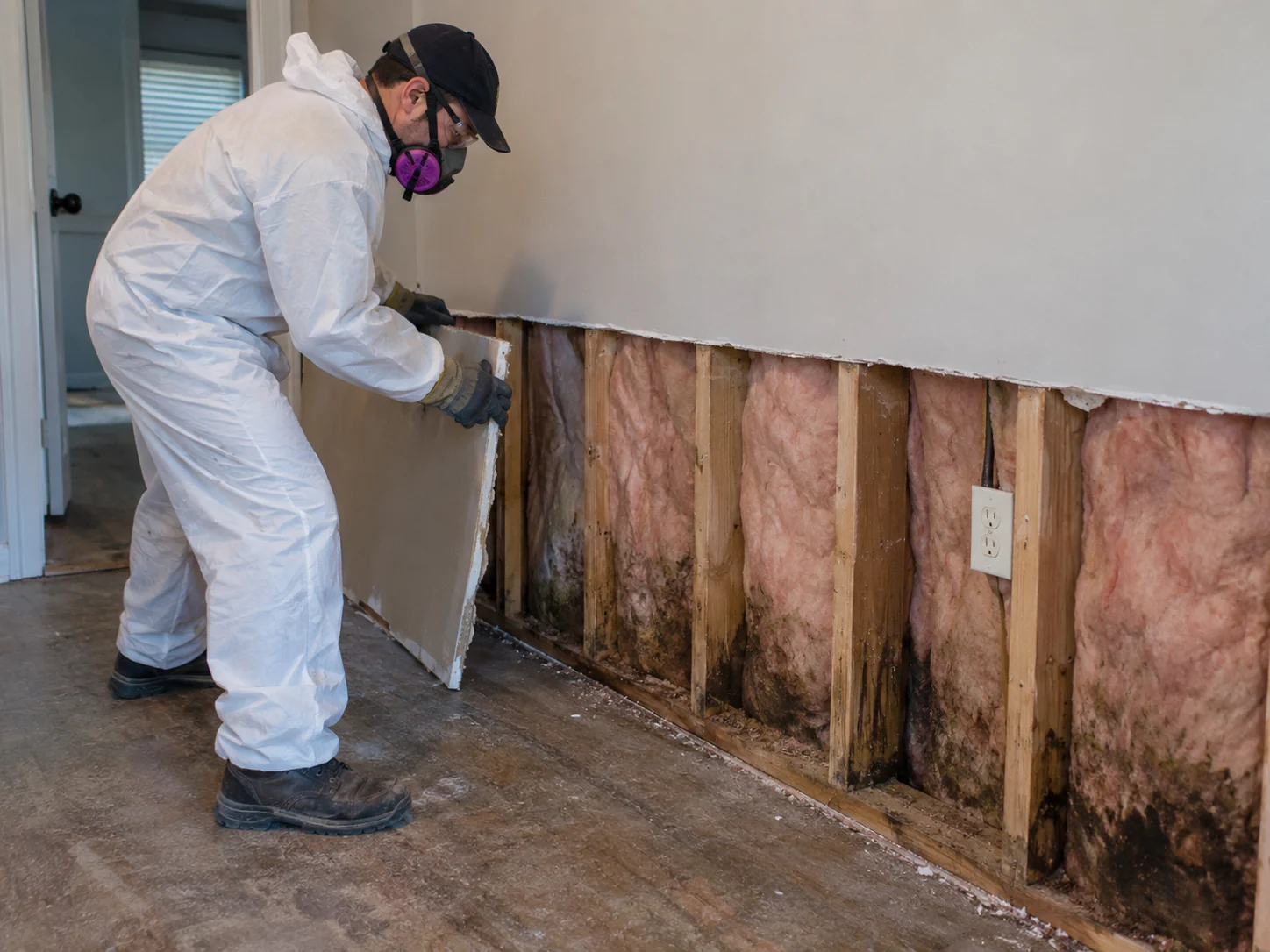
Drywall is porous and can wick contaminated water upward from the floor. The visible water line may be lower than the actual moisture boundary inside the gypsum and paper facing.
Drywall Removal May Be Necessary When:
- The lower wall directly contacted sewage
- Moisture wicked upward into the drywall
- The gypsum is soft, swollen, or deteriorated
- The paper facing is contaminated
- Wet insulation is located behind the wall
- Visible mold or persistent odor develops
- Wall access is necessary for cleaning and drying
Wet Insulation Is Difficult to Restore in Place
Fiberglass and cellulose insulation can trap contaminated water inside a wall cavity. When insulation has been directly exposed to sewage, removal is often necessary to provide access to framing and allow complete cleaning and drying.
Wall Framing May Be Retained When Structurally Sound
Wood studs and plates are more durable than drywall or insulation. Structurally sound framing may sometimes be cleaned, treated as appropriate for the project, and dried rather than replaced.
The framing must still be accessible enough to clean and verify.
Does Flooring Need to Be Removed After Sewage Exposure?
Flooring decisions depend heavily on the material and whether contaminated water reached beneath the finished surface.
Laminate Flooring
Laminate contains absorbent core materials that can swell when wet. Sewage entering between seams or beneath the flooring can make restoration difficult.
Removal is more likely when panels are swollen, separated, contaminated underneath, or trapping sewage against the subfloor.
Hardwood Flooring
Hardwood is porous but may be more durable than composite flooring. Whether it can be retained depends on the level of sewage exposure, duration, access, contamination, and condition of the boards and subfloor.
Luxury Vinyl and Sheet Vinyl
The vinyl surface itself may be relatively nonporous, but contaminated water can travel beneath the flooring at seams, edges, penetrations, or loose areas.
If sewage becomes trapped beneath a floor covering, removal may be necessary to clean and dry the substrate.
Ceramic or Porcelain Tile
Tile itself may often tolerate water, but the grout, mortar bed, underlayment, and subfloor beneath it must still be evaluated. Sewage entering below the assembly may require access that cannot be achieved without removing some flooring.
Subflooring
Plywood or OSB subfloor may sometimes be retained if it remains structurally sound and can be thoroughly cleaned and dried. Replacement becomes more likely when the material is contaminated beyond reliable cleaning, swollen, soft, delaminated, mold-affected, or structurally compromised.
Can Cabinets and Woodwork Be Saved After Sewage Damage?
Cabinet construction makes a major difference in whether materials can be restored.
Solid Wood Components
Structurally sound solid wood may sometimes be cleaned and dried when contamination is limited and all affected surfaces can be accessed.
Particleboard and MDF Components
Composite materials such as particleboard and medium-density fiberboard absorb liquid readily. They can swell, lose strength, separate, and retain contamination after sewage exposure.
Toe kicks, cabinet bases, vanity panels, and composite trim that directly absorb sewage are more likely to require replacement.
Cabinets Can Hide Contaminated Areas
Sewage may flow underneath a vanity, kitchen cabinet, bar, shelving unit, or built-in storage system. Limited removal may be necessary to inspect and clean the floor and wall behind it.
Which Household Contents May Need to Be Discarded After Sewage Exposure?
Contents should be evaluated according to porosity, direct contact, value, cleanability, and whether professional contents restoration is practical.
Items More Likely to Require Disposal Include:
- Cardboard boxes
- Paper products
- Some books and documents
- Mattresses
- Heavily contaminated upholstered furniture
- Stuffed toys
- Absorbent pet bedding
- Unsealed fiberboard furniture
- Contaminated food or food-contact items that cannot be safely restored
Do Not Automatically Throw Everything Away
Some items may be suitable for professional cleaning, specialty restoration, laundering, or disinfection depending on the material and exposure.
High-value, sentimental, or important contents should be evaluated before disposal when conditions allow.
Which Materials May Sometimes Be Cleaned and Kept?
| Material | More Likely to Be Retained When | Removal Is More Likely When |
|---|---|---|
| Carpet padding | Not exposed to sewage | Directly saturated or contaminated |
| Drywall | Outside the contamination and moisture boundary | Saturated, contaminated, soft, swollen, or mold-affected |
| Insulation | Dry and outside the affected area | Wet, contaminated, compressed, or inaccessible for reliable cleaning |
| Solid wood framing | Structurally sound and accessible for cleaning and drying | Deteriorated, structurally damaged, or unable to be cleaned adequately |
| Tile | Surface and substrate can be accessed and cleaned without trapped contamination | Sewage is trapped beneath the tile assembly or substrate requires removal |
| Metal, glass, sealed plastic | Surfaces remain intact and can be thoroughly cleaned | Damage, inaccessible contamination, or unsafe condition prevents restoration |
| Particleboard cabinets | No direct exposure and no swelling | Direct sewage absorption, swelling, delamination, or deterioration |
The decision should be based on actual site conditions rather than material type alone. Direct exposure, duration, porosity, accessibility, and physical damage all matter.
What Should You Do Immediately After a Sewage Backup?
-
Keep people and pets away from the affected area.
Limit unnecessary contact with sewage-contaminated water and materials.
-
Use electrical caution.
Do not enter standing sewage water when outlets, appliances, extension cords, electrical panels, or equipment may be affected.
-
Stop using plumbing fixtures if they contribute to the backup.
Additional flushing, draining, or appliance use may make the overflow worse.
-
Document visible damage from a safe location.
Photograph standing water, affected flooring, walls, contents, fixtures, drains, and other visible conditions.
-
Avoid moving contaminated items through clean areas unnecessarily.
Improper handling may spread contaminated water or debris into unaffected rooms.
-
Arrange professional sewage cleanup.
McMahon Services provides water and sewage damage restoration for extraction, removal, cleaning, structural drying, and restoration.
Safety Warning: Avoid direct contact with sewage-contaminated water and porous materials. Do not use household fans to blow air across an untreated sewage-damaged area, and do not begin uncontrolled demolition that may spread contaminated dust or debris into clean parts of the building.
What Mistakes Should You Avoid After a Sewage Backup?
- Do not treat sewage like a clean-water leak. Contamination must be addressed as part of the restoration plan.
- Do not simply extract the water and leave wet materials in place. Contaminated porous materials may require removal.
- Do not run household fans across untreated sewage contamination. Airflow may spread contaminated particles or odors.
- Do not reinstall flooring over contaminated or wet subflooring. The substrate should be evaluated first.
- Do not paint over sewage-damaged drywall. Paint does not remove contamination from porous wall materials.
- Do not ignore areas beneath cabinets or behind baseboards. Sewage can travel into concealed spaces.
- Do not discard everything without documentation. Photograph damaged materials and contents before disposal when it is safe.
- Do not begin rebuilding before cleaning and drying are complete. New finishes should not conceal unresolved contamination or moisture.
How Does Professional Sewage Backup Cleanup Work?
Professional sewage restoration typically follows a sequence designed to control contamination, remove unsalvageable materials, clean retained surfaces, dry the structure, and prepare the property for rebuilding.
1. Safety Assessment
The affected area is evaluated for electrical hazards, contamination, standing water, structural damage, access limitations, and other safety concerns.
2. Containment and Work-Area Control
The restoration team may isolate the affected area or establish controlled work procedures to reduce unnecessary movement of contaminated water, debris, and dust.
3. Sewage Water Extraction
Standing contaminated water is removed using suitable professional equipment.
4. Removal of Unsalvageable Porous Materials
Carpet padding, damaged drywall, insulation, composite materials, and other contaminated porous products may be removed based on the project conditions.
5. Cleaning of Retained Surfaces
Hard and structurally sound surfaces that can be retained are cleaned using procedures appropriate for the contamination and material.
6. Structural Drying
After removal and cleaning, framing, subflooring, masonry, and other retained materials are dried as needed.
7. Inspection and Verification
The area is evaluated for remaining contamination, moisture, odor, and damaged materials before reconstruction proceeds.
McMahon Services discusses the importance of professional response in its article on professional sewage backup cleanup.
What Happens After Contaminated Materials Are Removed?
Once sewage cleanup, cleaning, and drying are completed, the damaged areas may require reconstruction.
Rebuilding can include:
- New drywall
- Insulation replacement
- Baseboards and trim
- Subfloor repairs
- Carpet and padding
- Hard-surface flooring
- Cabinet or vanity replacement
- Painting and finishing
- Repairs to walls and ceilings opened during cleanup
McMahon Services provides cleanup and rebuild services when sewage damage requires both emergency mitigation and permanent reconstruction.
Reconstruction Should Follow Cleanup, Not Cover It
New drywall, flooring, cabinets, or trim should not be installed over materials that remain wet or contaminated.
The cleanup and reconstruction phases should be coordinated so the building is ready for new finishes before closing walls and floors.
How Long Does Sewage Cleanup and Reconstruction Take?
There is no universal timeline. A small localized backup affecting a limited unfinished area may require less work than a sewage loss that spreads through several finished rooms, wall cavities, flooring systems, cabinets, and contents.
| Timeline Factor | Why It Matters |
|---|---|
| Amount of sewage | Larger losses typically affect more materials and require more extraction and cleaning. |
| Length of exposure | Longer contact can allow contamination and moisture to penetrate farther into porous materials. |
| Finished versus unfinished space | Finished basements and living areas generally contain more absorbent materials that must be evaluated. |
| Hidden contamination | Water beneath flooring, behind cabinets, or inside walls may increase the removal scope. |
| Drying progress | Retained structural materials should reach an appropriate dry condition before rebuilding. |
| Reconstruction scope | Replacing drywall, flooring, cabinets, insulation, trim, and paint adds additional project stages. |
The project schedule should be based on contamination removal, cleaning, drying results, repair needs, and reconstruction rather than a predetermined number of days.
What Affects the Cost of Sewage Backup Restoration?
The total restoration cost depends on how far sewage traveled and how many materials require extraction, removal, cleaning, drying, and reconstruction.
Common cost factors include:
- The volume of sewage water
- The number of rooms affected
- Carpet and padding removal
- Drywall and insulation removal
- Flooring and subfloor damage
- Cabinet and vanity involvement
- Contents cleaning or disposal
- Containment and contamination-control requirements
- Water extraction and structural drying
- Odor-control requirements
- Plumbing or drain repairs
- Reconstruction and finish work
A relatively shallow backup can still create substantial damage when contaminated water moves beneath flooring or into finished wall systems. A site-specific inspection is necessary to establish a reliable cleanup and reconstruction scope.
What Should You Document for an Insurance Claim?
Coverage depends on the policy, endorsement, source of the backup, and specific circumstances of the loss. Property owners should review their policy and contact their insurance carrier or representative regarding coverage.
When conditions are safe, document:
- The date and time the sewage backup was discovered
- The apparent source or drain involved
- Standing sewage water and affected rooms
- Carpet, flooring, drywall, cabinets, and contents that were exposed
- The approximate visible water line
- Photographs before extraction and demolition
- Photographs after damaged materials are opened or removed
- Plumbing or drain-service reports
- Restoration documentation
- Materials removed and the reason they could not be retained
- Drying and moisture records
- Reconstruction estimates and invoices
Do not dispose of significant damaged materials or contents before documentation unless immediate removal is required to protect health, safety, or the property.
Why Are Sewage Backups a Concern in Northern Illinois and Southern Wisconsin?
Homes and businesses throughout Hainesville, Lake County, Northern Illinois, Southern Wisconsin, and surrounding communities can experience sewage and drain backup events related to several property and weather conditions.
Regional concerns may include:
- Heavy rain overwhelming drainage systems
- Basement floor-drain backups
- Older sewer and drain lines
- Tree-root intrusion into sewer lines
- Blocked or damaged private sewer laterals
- Frozen or damaged plumbing components
- Sump and drainage problems during storms
- Finished basements containing highly absorbent materials
A sewage backup in a finished basement can quickly affect carpet, padding, drywall, insulation, baseboards, furniture, and stored contents. Contaminated water may also travel beneath flooring and into adjoining rooms.
McMahon Services provides water and sewage damage restoration and cleanup and rebuilding services throughout Northern Illinois, Southern Wisconsin, and surrounding service areas.
Professional Tip: After a sewage backup, do not judge the cleanup scope only by what is visibly dirty. Contaminated water may wick into drywall, soak carpet padding, move beneath flooring, and collect behind cabinets or baseboards. The complete affected area should be identified before cleaning and reconstruction begin.
Get Help With Sewage-Damaged Materials
A sewage backup can affect far more than the visible floor surface. Carpet, padding, drywall, insulation, flooring, cabinets, subflooring, and contents may all require evaluation to determine what can be cleaned and what should be removed.
McMahon Services & Construction Corp can coordinate sewage extraction, contaminated-material removal, cleaning, structural drying, moisture inspection, odor control, and reconstruction after the affected area is stabilized.
McMahon Services serves homes and businesses throughout Hainesville, Lake County, Northern Illinois, Southern Wisconsin, and surrounding communities.
Call McMahon Services at (847) 566-4568 for 24/7 help with sewage backup cleanup, contaminated material removal, structural drying, and property restoration.
Frequently Asked Questions About Materials Damaged by Sewage
Does carpet always need to be removed after a sewage backup?
Carpet and especially carpet padding that are directly saturated with sewage are more likely to require removal because contaminated water can penetrate deeply into the materials. The exact decision depends on the extent of exposure, carpet construction, contamination, and whether reliable cleaning is possible.
Does sewage-damaged drywall need to be removed?
Drywall may need removal when contaminated water directly contacts the material, wicks into the gypsum or paper facing, damages the drywall, or reaches insulation and framing behind the wall. Unaffected drywall outside the contamination boundary may remain in place.
Can insulation be cleaned after sewage exposure?
Wet porous insulation can be difficult to clean thoroughly after direct sewage exposure. Contaminated fiberglass or cellulose insulation commonly requires removal so the wall or ceiling cavity can be accessed, cleaned, and dried.
Can tile flooring stay after a sewage backup?
The tile surface may sometimes be cleaned and retained, but sewage can enter through grout, perimeter gaps, penetrations, or damaged areas and become trapped beneath the tile. The substrate must be evaluated before determining whether removal is necessary.
Can wood framing be saved after sewage damage?
Structurally sound wood framing may sometimes be retained when all affected surfaces can be accessed, cleaned, and dried appropriately. Framing that is deteriorated or cannot be reliably restored may require additional repair or replacement.
Do cabinets need to be replaced after sewage exposure?
It depends on the cabinet material and level of exposure. Solid wood components may sometimes be restorable, while particleboard, MDF, and other absorbent composite materials are more likely to swell, deteriorate, and require replacement after direct sewage contact.
Can I clean up a sewage backup myself?
Small incidents vary, but sewage contamination can involve biological hazards, electrical risks, hidden water, porous building materials, and contamination beyond the visible area. Professional cleanup is appropriate when sewage affects finished materials, multiple rooms, wall cavities, flooring systems, or a substantial area.
Who should I call after a sewage backup damages my home?
A professional water and sewage damage restoration company can handle extraction, contamination control, damaged-material removal, cleaning, drying, and restoration planning. Plumbing or drain professionals may also be needed to correct the original cause. McMahon Services can coordinate sewage cleanup and rebuilding when the loss requires multiple stages.




0 Comments