When Do You Need a Cleanup and Rebuild Contractor?
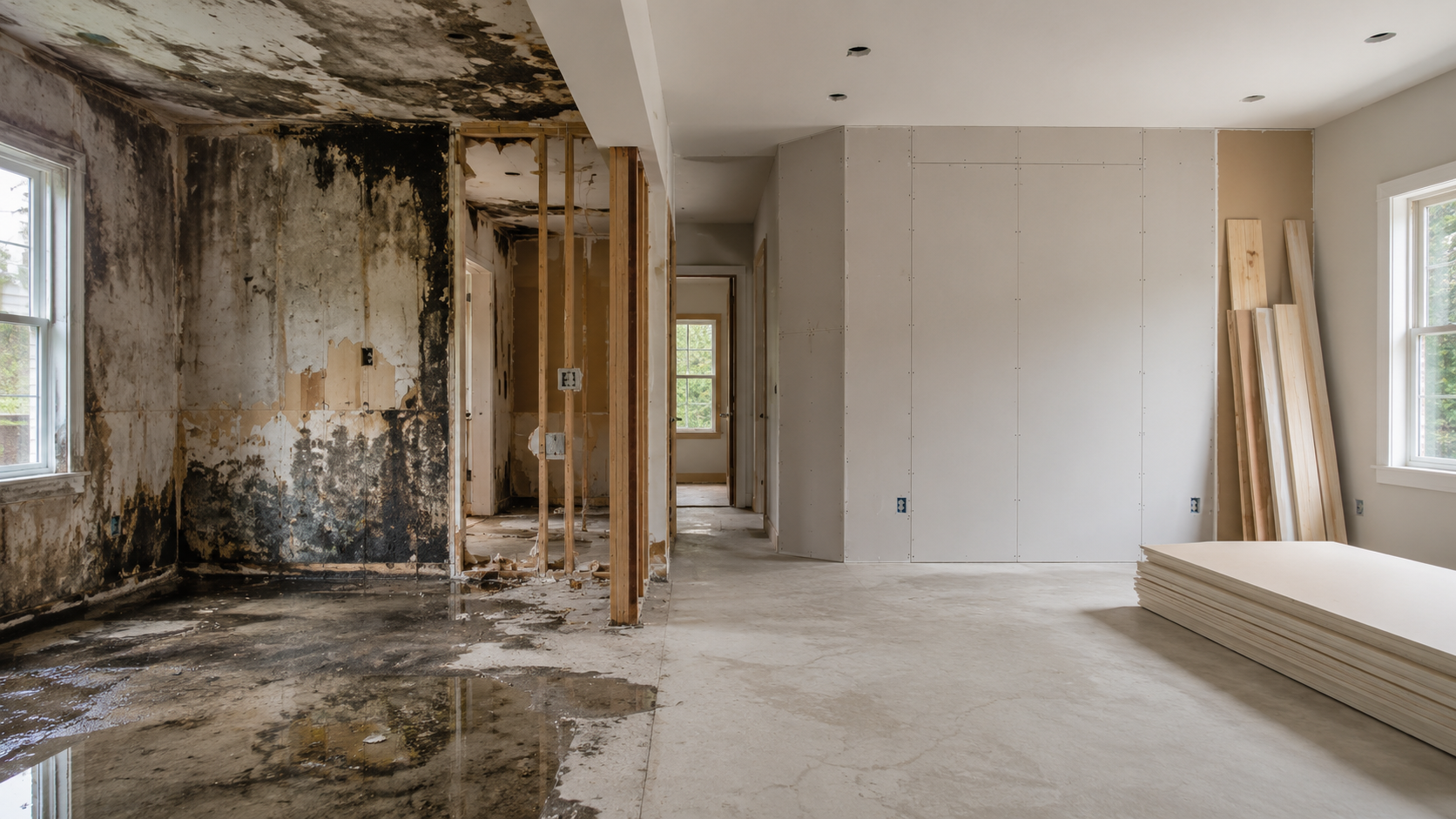
A cleanup and rebuild contractor may be needed when property damage requires both emergency restoration and permanent construction repairs. After water damage, fire, smoke, storm damage, sewage backup, or mold-related damage, a property may need extraction, drying, cleaning, material removal, repair planning, and reconstruction before it can be safely used again.
The difficult part for many property owners is knowing when a project has moved beyond cleanup. Water may be extracted from a room, but damaged drywall, flooring, insulation, cabinets, or trim may still need replacement. A fire-damaged space may require soot and odor removal before walls, ceilings, flooring, or structural materials can be repaired.
For homeowners, landlords, property managers, and business owners in Hainesville, Lake County, Northern Illinois, and Southern Wisconsin, working with one company for cleanup and rebuilding can make the transition from emergency response to permanent repairs easier to coordinate.
Key Takeaway
You may need a cleanup and rebuild contractor when damage affects both contents and permanent building materials. If water, fire, smoke, storm, sewage, or mold-related damage requires emergency cleanup followed by drywall, flooring, cabinet, roofing, siding, or structural repairs, one coordinated restoration and construction team can help manage the full recovery process.
When Do Property Owners Need Cleanup and Rebuild Help?
Cleanup and rebuilding may both be needed when an incident affects the condition of the property and damages the physical materials that make up the space. Restoration work addresses water, soot, debris, odor, contamination, and damaged contents. Rebuilding replaces or repairs materials that cannot be retained.
This commonly happens after major property damage, but even a smaller incident can require reconstruction when moisture, heat, smoke, or contamination reaches drywall, insulation, flooring, cabinets, framing, roofing, or siding.
Common Situations That Require Cleanup and Repairs
- Water damage affecting drywall, insulation, flooring, trim, or cabinets
- Fire damage involving burned materials, soot, smoke odor, and damaged rooms
- Smoke residue affecting walls, ceilings, carpet, contents, and HVAC pathways
- Sewage backup requiring contaminated material removal
- Storm damage affecting roofing, siding, windows, ceilings, or interior walls
- Mold-related damage requiring removal of affected building materials
- Commercial or rental property damage that must be cleaned and repaired before reopening
McMahon Services & Construction Corp provides construction services for properties that need repairs, rebuilding, or reconstruction after restoration work.
Quick Answer
Property owners need a cleanup and rebuild contractor when the same damage event requires both restoration and permanent repairs. The work may include water extraction, smoke cleanup, material removal, structural drying, drywall replacement, flooring repair, cabinet work, roofing, siding, and reconstruction.
Cleanup vs. Rebuild: What Is the Difference?
Cleanup focuses on controlling damage, removing hazards, and stabilizing the property. Rebuilding begins after affected areas are dry, clean, safe, and ready for permanent repairs.
| Cleanup and Restoration | Rebuild and Reconstruction |
|---|---|
| Water extraction and structural drying | Drywall and insulation replacement |
| Smoke, soot, and debris removal | Flooring and subfloor repairs |
| Odor control and deodorizing | Cabinet, trim, and finish work |
| Contents handling and cleaning | Painting and surface restoration |
| Removal of unsalvageable materials | Roofing, siding, and exterior repairs |
| Moisture and contamination evaluation | Framing and general reconstruction |
Cleanup work must usually happen before reconstruction. Installing new flooring, drywall, insulation, or cabinets before moisture, soot, contamination, or mold concerns are resolved can trap problems behind newly repaired surfaces.
McMahon Services also provides restoration and cleaning services for properties affected by water, fire, smoke, mold, storm damage, and related emergencies.
How the Cleanup and Rebuild Process Works
The recovery process can vary by property, but cleanup and reconstruction generally move through several coordinated phases.
1. Emergency Response and Damage Assessment
The first phase identifies immediate safety concerns, the source of damage, affected rooms, contaminated areas, damaged contents, and building materials that may require removal.
2. Mitigation and Cleanup
Standing water, debris, soot, smoke residue, sewage, or damaged materials are addressed. Drying equipment, containment, contents handling, and odor-control measures may also be used.
3. Moisture and Material Monitoring
Affected materials are monitored to determine whether they can be dried, cleaned, and retained. Heavily damaged or contaminated materials may need removal before repairs begin.
4. Repair Scope and Reconstruction Planning
Once the property is stabilized, the contractor can determine what needs replacement. This may include drywall, flooring, insulation, cabinets, trim, paint, roofing, siding, or framing.
5. Rebuilding and Finishing
The final phase restores the damaged rooms or building areas. Permanent repairs should begin only after cleanup and drying requirements have been met.
Property Recovery Sequence
The process usually moves from emergency mitigation to cleaning and drying, then into material replacement and reconstruction. Cleanup prepares the property for repairs, while rebuilding returns damaged areas to usable condition.
When Water Damage Requires Reconstruction
Water damage requires reconstruction when moisture affects materials that cannot be dried, cleaned, or safely retained. This may occur after a pipe break, basement flood, roof leak, sewage backup, appliance overflow, or storm-related water intrusion.
Some water damage projects only require extraction, drying, and cleaning. Others involve saturated drywall, damaged insulation, swollen cabinets, warped flooring, deteriorated trim, or moisture beneath subflooring.
Water Damage May Need Rebuilding When:
- Drywall or insulation remains saturated
- Flooring or subflooring becomes warped or damaged
- Cabinets, trim, or built-ins swell or separate
- Contaminated water affects porous materials
- Material removal leaves walls, floors, or ceilings open
- Water reaches framing or structural components
- Multiple rooms or building levels are affected
The IICRC S500 water damage restoration standard describes professional procedures and precautions for water damage restoration. These procedures matter because moisture can remain behind walls, beneath flooring, and inside structural materials after visible water is removed.
McMahon Services provides water and sewage damage restoration services for properties affected by leaks, flooding, sewage backups, and hidden moisture.
Water Cleanup and Reconstruction
Water restoration addresses extraction, drying, contamination, and damaged material removal. Reconstruction replaces drywall, flooring, insulation, cabinets, trim, and other materials that cannot be restored.
When Fire and Smoke Damage Require Repairs
Fire and smoke damage often require both restoration and rebuilding. A fire may leave burned building materials, soot residue, persistent smoke odor, damaged contents, and water from firefighting or sprinkler systems.
Even a contained fire can become a larger project if smoke travels through hallways, closets, wall cavities, HVAC pathways, or porous materials. Some surfaces can be cleaned and deodorized, while others must be removed and replaced.
The IICRC S700 fire and smoke damage restoration standard describes professional principles for evaluating fire residues and odors. This is important because smoke damage can extend well beyond the visible burn area.
McMahon Services provides fire and smoke damage restoration for properties affected by fire, soot, smoke odor, suppression water, and related damage.
Fire or Smoke Damage May Require Rebuilding When:
- Walls, ceilings, flooring, or framing were burned
- Cabinets, trim, or finishes cannot be cleaned
- Firefighting water damaged drywall, flooring, or insulation
- Smoke odor remains embedded in porous materials
- Demolition leaves open walls, ceilings, or floors
- Electrical, roofing, or structural components are damaged
- Rooms cannot be safely used without permanent repairs
Storm, Mold, and Sewage Damage May Also Require Rebuilding
Cleanup and reconstruction are not limited to ordinary water leaks and fires. Storm damage, mold, and sewage backups can also require permanent material replacement.
Storm Damage
Wind, hail, fallen branches, heavy rain, and ice can damage roofing, siding, windows, ceilings, walls, and exterior building components. Emergency tarping or water removal may be followed by roofing, siding, drywall, insulation, or finish repairs.
Mold-Related Damage
Mold remediation may require removing affected drywall, insulation, flooring, cabinets, or trim. Once remediation is complete, the removed building materials must be reconstructed.
Sewage Backup
Sewage and contaminated water can affect carpet, padding, drywall, insulation, cabinets, flooring, and porous contents. Materials that cannot be safely cleaned may require removal and replacement.
The rebuild scope depends on the type of damage, materials affected, contamination level, and extent of removal needed during restoration.
Why One Cleanup and Rebuild Contractor Can Make Recovery Easier
Using one contractor for cleanup and reconstruction can reduce coordination problems when a property requires several phases of work. The team performing restoration understands which materials were affected, which areas were opened, and what conditions must be met before repairs begin.
Benefits of One Coordinated Contractor
- Consistent documentation: Cleanup findings can directly support the repair scope.
- Clearer communication: Property owners have fewer companies and project contacts to manage.
- Better project continuity: The repair team understands why materials were removed.
- Smoother scheduling: Reconstruction planning can begin while restoration is being completed.
- Reduced duplication: Property owners do not need to explain the same damage repeatedly.
- Coordinated material replacement: Drywall, flooring, cabinets, roofing, siding, and finish repairs can be planned together.
- Useful support for managed properties: Landlords, commercial owners, and property managers can track the project through one coordinated process.
Ready.gov disaster recovery guidance encourages practical steps for moving from emergency response into recovery. For damaged properties, that process often includes cleanup, drying, repair planning, and reconstruction.
Why Coordination Matters
A cleanup and rebuild contractor can carry information from the restoration phase into the repair phase. This helps the reconstruction plan account for damaged materials, moisture findings, demolition areas, and the work already completed.
When Should You Call a Restoration and Construction Team?
Call a restoration and construction team when property damage affects both immediate cleanup needs and permanent building materials. Professional evaluation can help determine whether materials can be cleaned and dried or whether removal and replacement are necessary.
Call for Help When You Notice:
- Wet drywall, insulation, flooring, ceilings, or cabinets
- Smoke odor that remains after ordinary cleaning
- Soot, debris, or burned building materials
- Sewage or contaminated water affecting porous surfaces
- Storm damage to roofing, siding, windows, ceilings, or walls
- Visible mold or materials removed during remediation
- Open walls, flooring, or ceilings after emergency demolition
- Damage affecting multiple rooms, rental units, or commercial spaces
- Uncertainty about whether cleanup alone will be enough
McMahon Services & Construction Corp is based at 44 W Belvidere Rd, Hainesville, IL 60030, and serves Hainesville, Lake County, Northern Illinois, and Southern Wisconsin. The company is available 24 hours for emergency restoration needs and can be reached at 847-566-4568.
Quick Decision Guide
Call a cleanup and rebuild contractor when water, fire, smoke, storm, sewage, or mold-related damage requires both restoration and permanent repairs. This is especially important when drywall, flooring, cabinets, roofing, siding, insulation, or structural materials are affected.
Frequently Asked Questions About Cleanup and Rebuild Contractors
What is a cleanup and rebuild contractor?
A cleanup and rebuild contractor manages both restoration and construction after property damage. Services may include extraction, drying, cleaning, material removal, repair planning, and reconstruction.
Do I need a contractor after water damage cleanup?
You may need a contractor if water damaged drywall, flooring, insulation, trim, cabinets, subflooring, or other permanent building materials that must be repaired or replaced.
Can fire damage require both cleanup and reconstruction?
Yes. Fire damage may require soot removal, smoke odor treatment, debris cleanup, and water extraction before damaged walls, ceilings, floors, cabinets, roofing, or framing can be rebuilt.
Is restoration the same as reconstruction?
No. Restoration focuses on cleanup, drying, deodorizing, material evaluation, and stabilizing the property. Reconstruction involves repairing or replacing the damaged building materials.
Is it better to use one company for restoration and rebuilding?
It can be helpful when the project requires both phases. One coordinated company may simplify communication, documentation, scheduling, and the transition from cleanup into repairs.
Can mold remediation require reconstruction?
Yes. If mold remediation requires removing drywall, insulation, flooring, cabinets, or trim, reconstruction will be needed after remediation is complete.
Can sewage damage require material replacement?
Yes. Carpet padding, drywall, insulation, flooring, and other porous materials affected by sewage may need removal and replacement depending on their condition and level of contamination.
Who should I call for cleanup and rebuild help in Hainesville or Lake County?
Property owners in Hainesville, Lake County, Northern Illinois, and Southern Wisconsin can contact McMahon Services & Construction Corp for restoration, cleaning, construction, and reconstruction after property damage.
Get Help With Property Cleanup and Reconstruction
A cleanup and rebuild contractor can help when property damage requires more than emergency cleaning. Water, fire, smoke, storm, sewage, and mold-related damage may require mitigation, material removal, drying, repair planning, and reconstruction.
For homeowners, landlords, commercial property owners, and property managers, the primary advantage is coordination. The same team can understand the restoration findings and use that information to plan the repairs required to return the property to usable condition.
For 24-hour restoration and reconstruction support in Hainesville, Lake County, Northern Illinois, and Southern Wisconsin, call McMahon Services & Construction Corp at 847-566-4568 or visit the construction services page.




0 Comments