Hoarding Cleanup
Hidden Hazards in a Hoarded Home: Health and Safety Risks
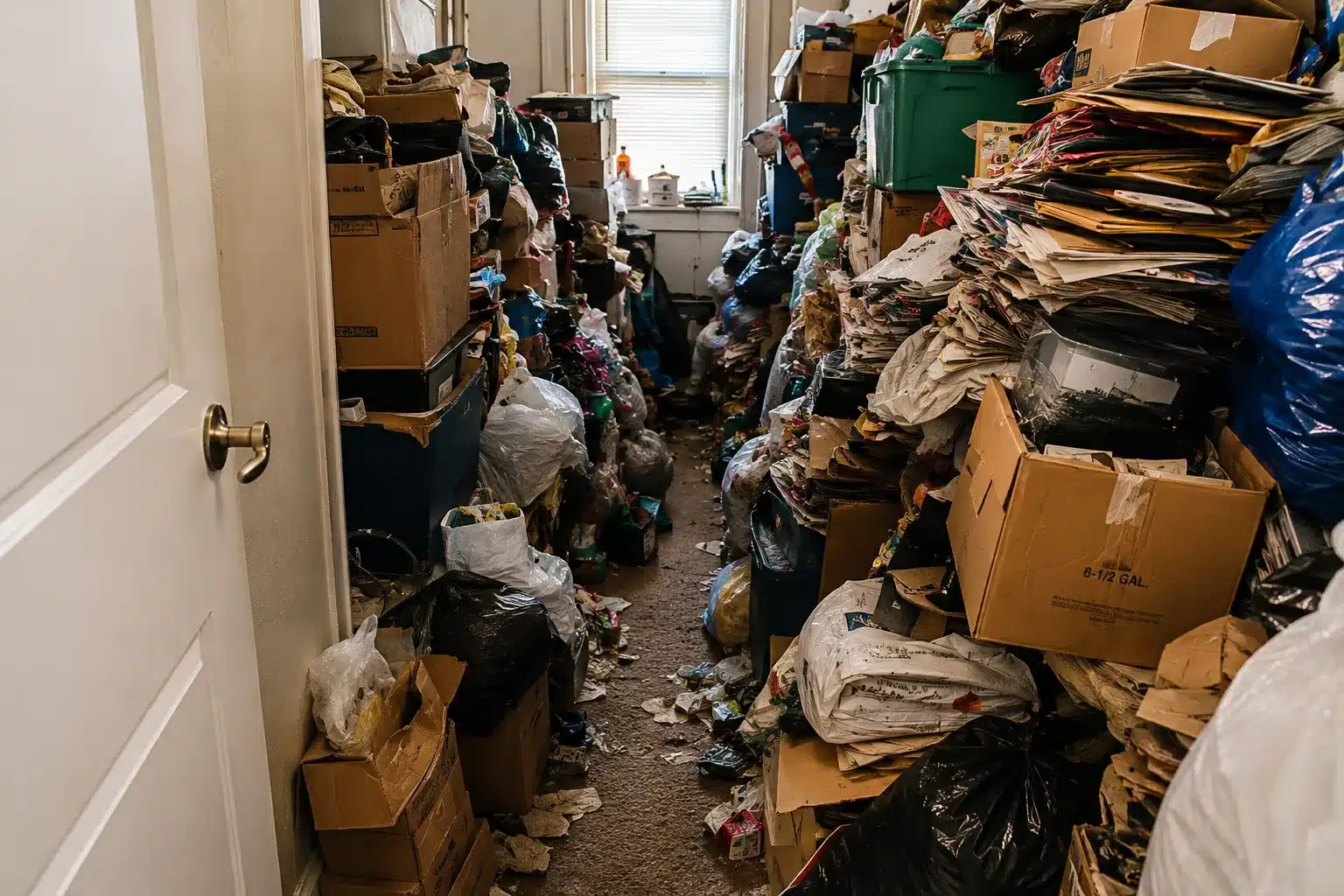
Hidden hazards in a hoarded home can include blocked exits, unstable piles, mold, pests, contaminated materials, concealed water damage, unsafe flooring, electrical concerns, and poor indoor conditions. Some risks are visible immediately, while others remain covered by boxes, furniture, paper, clothing, food containers, and stored belongings until cleanup begins.
A property that appears to need only clutter removal may also require deep cleaning, sanitizing, odor control, mold remediation, water damage restoration, or construction repairs. For families, homeowners, landlords, and property managers, the safest approach is to evaluate the condition of the property before beginning aggressive removal.
McMahon Services & Construction Corp provides professional hoarding cleanup services for properties affected by excessive accumulation, unsafe access, odors, contamination, and hidden damage.
Key Takeaways
- Blocked exits, narrow pathways, and unstable piles can create immediate safety concerns.
- Mold, pests, waste, spoiled food, and poor ventilation may create sanitation and indoor-environment problems.
- Water damage can remain hidden beneath boxes, furniture, carpet, cabinets, and stored belongings.
- Electrical panels, outlets, heaters, appliances, and plumbing shutoffs may become inaccessible.
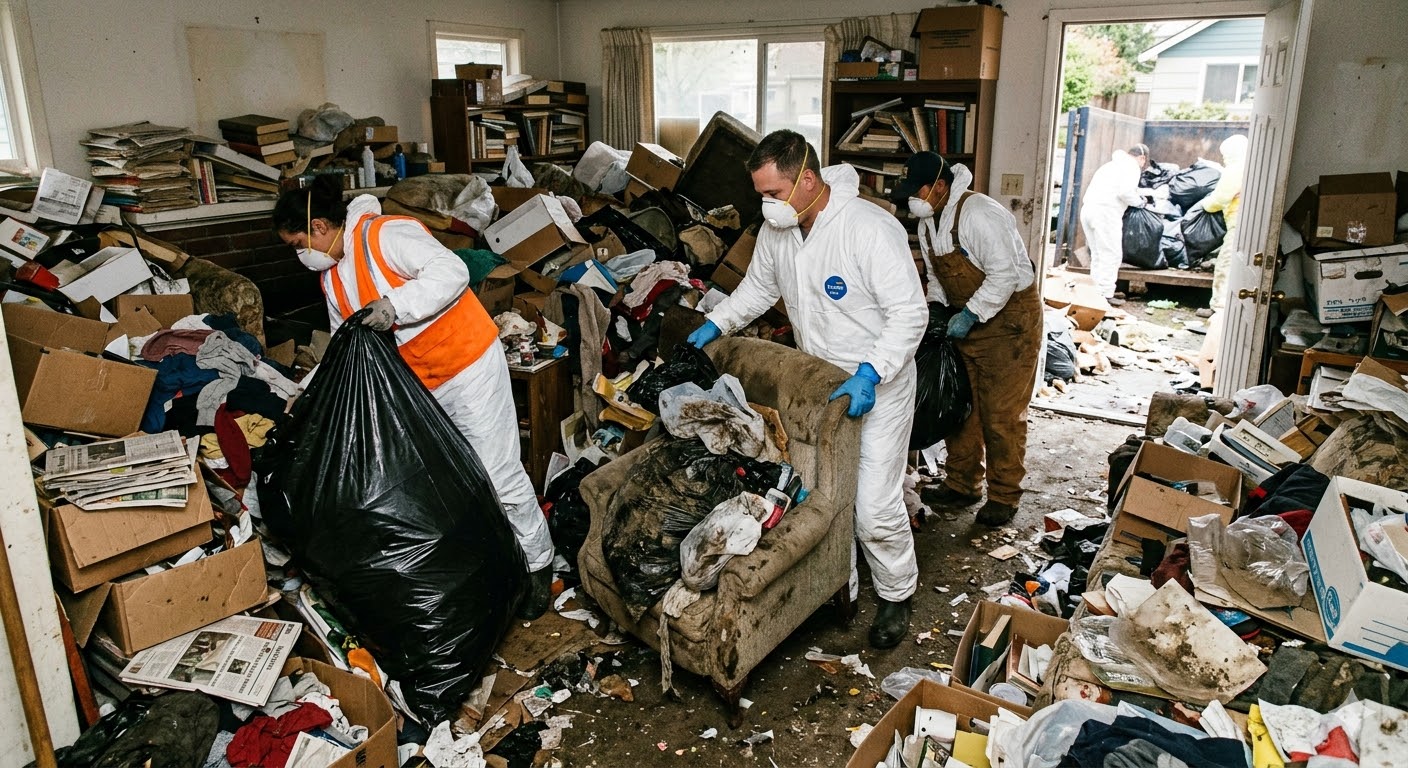
- Professional hoarding cleanup may include sorting, controlled removal, cleaning, sanitizing, odor control, and restoration planning.
- Cleanup should stop when unsafe floors, sagging ceilings, electrical hazards, sewage, extensive mold, or hazardous materials are discovered.
What Hazards Can Be Hidden in a Hoarded Home?
Quick Answer
Hidden hazards in a hoarded home may include blocked emergency exits, trip hazards, unstable stacks, mold, pest droppings, animal or human waste, spoiled food, water damage, damaged flooring, electrical hazards, and inaccessible plumbing or utility systems. Professional assistance is recommended when ordinary removal could disturb contamination or create additional safety risks.
A severely cluttered home should not automatically be treated as a standard junk-removal project. The accumulation may conceal wet materials, damaged floors, pests, exposed wiring, plumbing leaks, sharp objects, medications, chemicals, or important personal belongings.
The goal of professional cleanup is not simply to empty the property. The process should improve safe access, identify hidden conditions, separate important belongings, remove unsafe materials, clean affected surfaces, and determine whether restoration or repair is needed.
Hidden Hoarding Risk Snapshot
Urgent Safety Concern
Blocked doors, windows, stairs, and hallways can delay evacuation and emergency response.
Common Sanitation Concern
Mold, pest waste, spoiled food, contaminated materials, dust, and persistent odors.
Common Hidden Damage
Wet flooring, damaged drywall, leaking plumbing, swollen cabinets, pest damage, and deteriorated subflooring.
Professional Help Trigger
Call professionals when the property has contamination, unstable piles, mold, waste, unsafe access, water damage, or electrical concerns.
Health and Sanitation Concerns in a Hoarded Home
1. Mold and Persistent Musty Odors
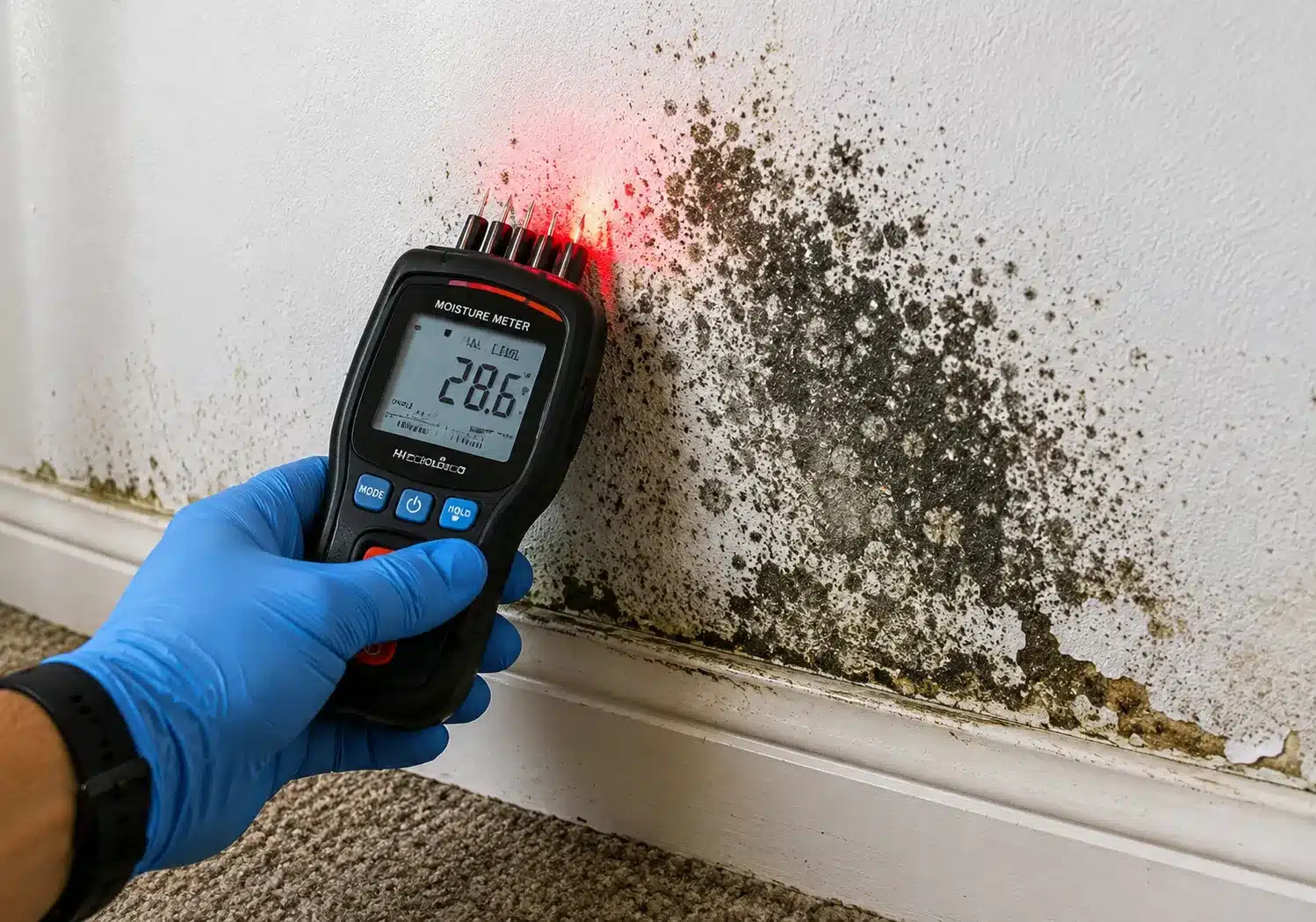
Mold may develop when clutter conceals leaks, restricts airflow, or keeps wet materials from drying. Possible locations include beneath carpet, behind boxes, inside cabinets, around windows, near plumbing fixtures, and on damp paper, fabric, drywall, or wood.
Warning signs can include musty odor, dark spotting, discoloration, peeling paint, damp carpet, soft drywall, warped trim, and materials that remain cool or wet.
The EPA explains that moisture control is central to mold control and provides general guidance on mold cleanup in the home.
If visible mold or extensive hidden moisture is discovered, the project may require professional mold removal and remediation.
Do Not Aggressively Disturb Moldy Materials
Moving mold-covered boxes, carpet, drywall, furniture, or insulation can spread dust and contaminated debris. Stop and request professional guidance when the affected area is extensive, concealed, or connected to ongoing water damage.
2. Pest Droppings and Nesting Materials
Rodents, cockroaches, insects, and other pests may use accumulated paper, fabric, furniture, food packaging, and undisturbed corners for shelter. Warning signs include droppings, nesting material, chewed containers, damaged wiring, dead insects, and concentrated odors.
Pest activity can contaminate floors, cabinets, countertops, stored belongings, and wall edges. Removing the visible clutter may reveal surfaces that require detailed cleaning, sanitizing, and pest-control coordination.
3. Spoiled Food and Unsanitary Surfaces
Kitchens may contain expired food, leaking containers, grease, trash, blocked appliances, and surfaces that have not been accessible for cleaning. Cabinets, countertops, flooring, sinks, refrigerators, and food-storage areas may require more than routine household cleaning.
Bathrooms can present similar concerns when toilets, tubs, showers, sinks, and plumbing fixtures are blocked. Moisture, poor ventilation, waste, and inaccessible surfaces may create significant sanitation problems.
4. Animal Waste, Human Waste, and Other Biohazard Concerns
Some properties contain animal waste, human waste, bodily fluids, medical sharps, decomposing materials, chemicals, or unidentified containers. These materials should not be handled casually or mixed with ordinary household trash.
Cleanup may require protective equipment, controlled handling, separate disposal, detailed cleaning, sanitizing, and odor-source removal.
5. Dust, Odor, and Indoor Air Concerns
Severe clutter may hold dust, pet dander, pest debris, smoke residue, mold particles, and persistent odor. Carpet, upholstery, curtains, cardboard, clothing, and other porous materials can absorb contaminants and smells.
Blocked vents and return-air openings can also reduce circulation. After the main removal is complete, some properties may benefit from air duct and carpet cleaning services as part of a broader cleanup and restoration plan.
Physical and Emergency Safety Hazards
1. Blocked Exits and Emergency Access
Blocked doors, windows, hallways, and stairways are among the most urgent hoarding hazards. Residents may be unable to leave quickly during a fire, medical emergency, gas leak, or other evacuation.
Emergency responders may also have difficulty entering the property or reaching a person who needs assistance. A professional cleanup plan often begins by opening at least one safe entrance, exit, and pathway through the home.
Blocked Exits Require Immediate Attention
If occupants cannot leave the property quickly without climbing over belongings or moving unstable materials, safe access should become the first cleanup priority.
2. Trips and Falls
Narrow pathways, loose objects, hidden steps, damaged carpet, and belongings placed on the floor increase the likelihood of falls. The risk is greater for older adults, children, and people with limited mobility.
A fall can become more serious when the surrounding clutter prevents another person from reaching the injured occupant or delays emergency response.
3. Unstable Piles and Falling Objects
Stacks of boxes, bags, furniture, books, and containers may shift unexpectedly. Pulling one item from the bottom or middle can cause a larger section to collapse.
Controlled removal works from safer access points and reduces accumulation section by section. Randomly pulling items from unstable stacks can injure people, damage important belongings, and block access further.
4. Unsafe or Damaged Flooring
Clutter may hide soft flooring, loose tile, damaged stair treads, warped wood, deteriorated carpet, holes, and uneven surfaces. Moisture and excessive weight can make existing floor problems worse.
Stop work when floors feel spongy, unusually flexible, sloped, cracked, or unstable. These conditions should be evaluated before heavy piles or equipment are moved across the area.
Fire and Electrical Concerns
Paper, cardboard, clothing, furniture, and other combustible materials can increase fire concerns when stored around heaters, outlets, appliances, extension cords, or electrical panels.
Potential Fire and Electrical Hazards Include:
- Belongings stacked against space heaters or radiators
- Electrical panels or shutoffs blocked by clutter
- Extension cords buried beneath paper or fabric
- Overloaded outlets and power strips
- Damaged wiring concealed beneath accumulated items
- Flammable materials stored near heat sources
- Smoke alarms that cannot be reached or maintained
- Blocked exits that could delay escape during a fire
Do not continue cleanup when exposed wiring, scorch marks, melted outlets, damaged appliances, or water near electrical components is discovered. The area should be evaluated by an appropriate qualified professional.
Property Damage That May Be Hidden Beneath Clutter
Hidden Water Damage
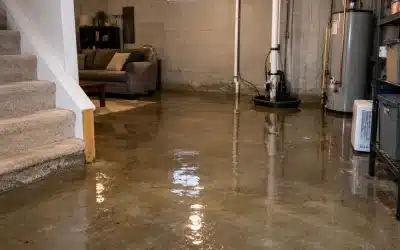
Water damage may result from plumbing leaks, roof leaks, appliance failures, basement seepage, window leaks, overflowing fixtures, or sewage backups. Accumulated belongings can conceal the water source and prevent wet materials from drying.
Possible signs include stained drywall, swollen trim, damp carpet, warped flooring, peeling paint, musty odor, soft cabinet bases, and spongy areas underfoot.
When water or sewage damage is discovered, McMahon Services provides water and sewage damage restoration for extraction, drying, contaminated material removal, moisture monitoring, and restoration planning.
Flooring and Subfloor Damage
Carpet may hold moisture, odors, pest debris, and waste. Wood and laminate flooring may warp or separate. Tile can loosen, and subflooring may soften when moisture remains for an extended period.
Wall, Ceiling, Cabinet, and Trim Damage
Once clutter is removed, walls and cabinets may show mold, stains, swelling, pest damage, grease, or persistent odors. Ceilings may reveal roof leaks or damage beneath bathrooms and plumbing lines.
Structural and Construction Concerns
Severe accumulation does not automatically mean structural failure. However, heavy concentrated loads, long-term moisture, pests, age, and deferred maintenance can contribute to weakened materials.
Damaged drywall, flooring, cabinets, ceilings, framing, trim, and other permanent materials may require repair or reconstruction after cleanup. McMahon Services provides construction services when restoration reveals building materials that cannot be retained.
9 Warning Signs a Hoarded Property May Be Unsafe
- Doors, windows, stairs, or emergency exits are blocked.
- Walkways are narrow, unstable, or covered with loose items.
- Musty, sewage-like, chemical, or persistent unexplained odors are present.
- Mold, pest droppings, nesting materials, or waste is visible.
- Floors feel soft, uneven, spongy, or unstable.
- Ceilings sag or show significant water staining.
- Electrical panels, outlets, heaters, and appliances cannot be reached safely.
- Bathrooms, kitchens, or bedrooms cannot be used normally.
- Water damage, contamination, or structural concerns appear as belongings are removed.
Stop When Multiple Hazards Are Discovered
Do not continue random removal when unstable piles, extensive mold, waste, electrical hazards, sewage, unsafe flooring, or sagging ceilings are present. A planned cleanup is safer than an improvised cleanout.
What Property Owners Should Do First
-
1. Check Immediate Safety
Identify blocked exits, unstable stacks, electrical concerns, waste, visible mold, water damage, unsafe flooring, and inaccessible rooms.
-
2. Keep Children and Pets Away
Restrict access to areas with unstable accumulation, waste, pests, hazardous materials, or unsafe walking conditions.
-
3. Document the Property
Take wide photographs and close-up images before major removal begins. Record blocked access, damaged materials, water stains, mold, waste, and pest activity.
-
4. Avoid Disturbing Contaminated Materials
Do not aggressively move moldy, wet, pest-contaminated, waste-covered, or chemically stained items without a safe plan.
-
5. Identify Important Belongings
Documents, medications, photographs, valuables, keys, legal papers, and financial records may be mixed throughout the accumulation.
-
6. Create Safe Access First
Begin with an entrance, emergency exit, hallway, bathroom path, or utility access point rather than attempting the entire property at once.
-
7. Inspect Newly Cleared Areas
Check floors, walls, cabinets, plumbing, electrical access points, vents, and ceilings as they become visible.
-
8. Connect Cleanup With Restoration
When removal reveals mold, water damage, contamination, odor, or damaged building materials, coordinate the appropriate restoration or repair service.
When Professional Hoarding Cleanup Is Needed
Professional cleanup is recommended when the condition of the property involves hazards beyond ordinary clutter. This includes blocked exits, unstable accumulation, biohazard materials, pests, visible mold, water damage, persistent odors, electrical concerns, or rooms that cannot be safely entered.
Professional Cleanup May Include:
- Property and safety assessment
- Creation of safe access routes
- Sorting and review of important belongings
- Controlled removal and disposal
- Cleaning and sanitizing exposed surfaces
- Odor-source identification and deodorizing
- Coordination with pest-control services
- Water damage restoration and drying
- Mold remediation
- Repair and reconstruction planning
Professional cleanup addresses the physical condition of the property. It is not a replacement for qualified mental health or behavioral support when those services are needed.
Families seeking additional educational information can review resources from the International OCD Foundation Hoarding Center and NAMI.
McMahon Services & Construction Corp provides discreet hoarding cleanup and related restoration support throughout Chicago, Lake County, Northern Illinois, and surrounding communities.
Quick Decision Guide
Call professionals when removing belongings alone will not make the property safe and usable. Mold, waste, pests, hidden water damage, unsafe access, electrical concerns, and damaged building materials require a broader cleanup and restoration plan.
Frequently Asked Questions About Hidden Hazards in a Hoarded Home
What are the most common hazards in a hoarded home?
Common hazards include blocked exits, unstable piles, trip hazards, mold, pests, waste, spoiled food, odors, hidden water damage, inaccessible utilities, electrical concerns, and damaged flooring or walls.
Can hoarding contribute to mold?
Yes. Accumulated belongings can conceal leaks, restrict airflow, and hold moisture against walls, floors, carpet, paper, fabric, drywall, and wood.
Is it safe for a family to clean a hoarded home without help?
Light clutter may be manageable, but professional support is recommended when the property has mold, pests, waste, blocked exits, unstable piles, strong odors, water damage, or unsafe flooring.
Can pest droppings and waste be cleaned like ordinary dirt?
Not always. Pest debris, animal waste, human waste, bodily fluids, and sharps may require protective equipment, controlled removal, proper disposal, cleaning, and sanitizing.
Can hoarding create a fire hazard?
Accumulated paper, cardboard, clothing, furniture, and other combustible materials can increase fire concerns when stored around outlets, heaters, appliances, cords, or electrical panels.
Can cleanup reveal hidden water damage?
Yes. Once belongings are removed, property owners may discover plumbing leaks, roof leaks, wet carpet, mold, warped flooring, damaged drywall, or swollen cabinets.
Does professional hoarding cleanup include sanitizing?
It can. The exact scope depends on the condition of the property. Cleaning, sanitizing, odor control, contaminated material removal, and restoration may be required after contents are removed.
Can hoarding cleanup include construction repairs?
Yes. Damaged drywall, flooring, subflooring, cabinets, ceilings, trim, insulation, and framing may need repair or replacement after cleanup.
When should landlords call for professional cleanup?
Landlords and property managers should call when accumulation creates blocked access, odors, pest activity, mold, sanitation concerns, water damage, utility access problems, or conditions that may affect safe occupancy.
Get Help With Hidden Hazards in a Hoarded Home
Hidden hazards in a hoarded home can affect emergency access, sanitation, indoor conditions, electrical safety, and the physical condition of the property. What appears to be clutter may conceal mold, pests, waste, water damage, damaged flooring, and restoration needs.
McMahon Services & Construction Corp provides discreet, judgment-free hoarding cleanup for families, homeowners, landlords, and property managers in Chicago, Lake County, Northern Illinois, and surrounding communities.
Visit the professional hoarding cleanup service page or request a quote to discuss the property and determine the safest next step.




0 Comments