
When Is Hoarding Cleanup More Than a Standard Cleanout?
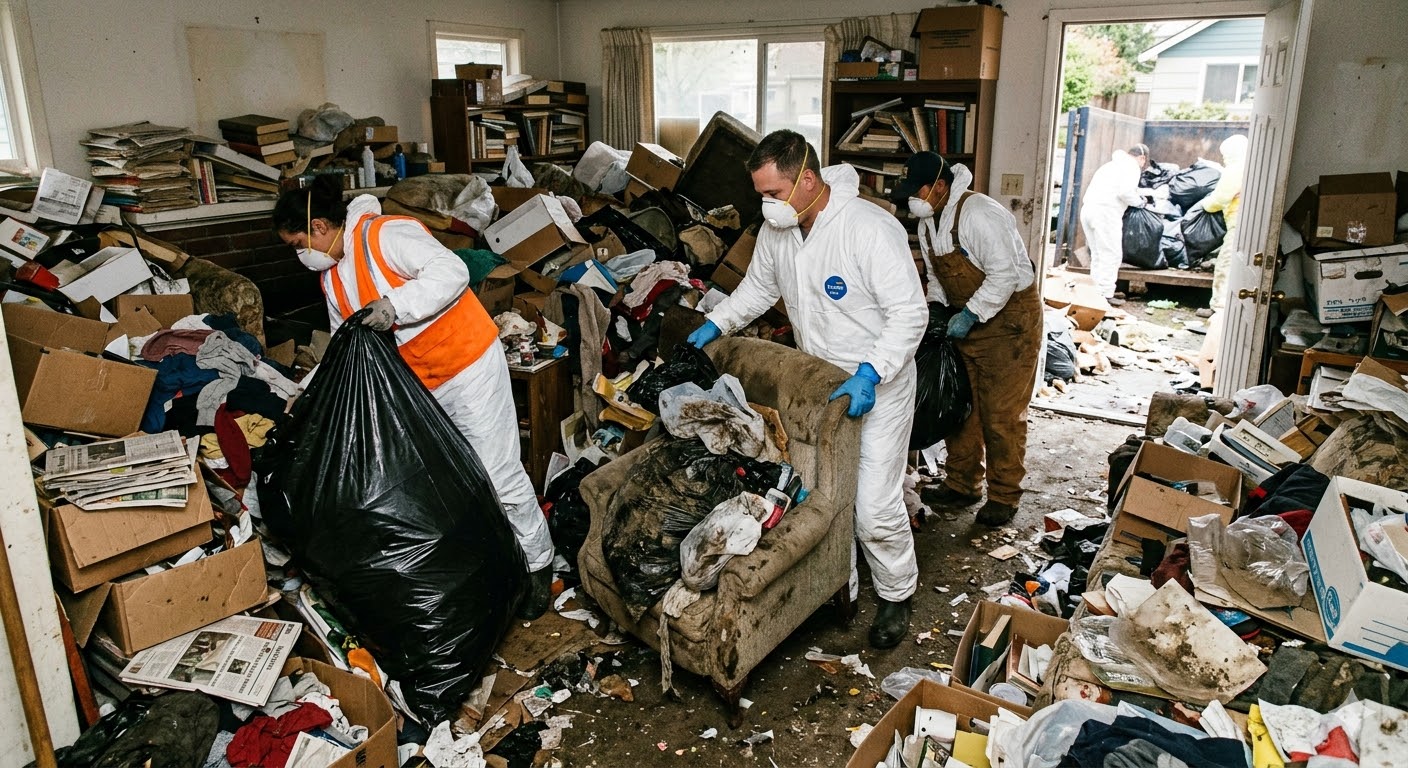
Hoarding cleanup becomes more than a standard cleanout when excessive accumulation, contamination, blocked access, strong odors, pests, mold, hidden water damage, or other safety hazards make ordinary item removal unsafe or incomplete. A standard cleanout usually focuses on removing unwanted belongings from a garage, basement, attic, rental unit, or storage space. A hoarding situation may require careful sorting, specialized cleaning, sanitizing, odor control, restoration, and repairs after the contents are removed.
For families, landlords, homeowners, and property managers in Chicago, Lake County, Northern Illinois, and surrounding communities, it can be difficult to determine whether a property needs junk removal or professional hoarding cleanup. The answer depends on whether people can move safely through the home, whether essential rooms remain usable, and whether the accumulation is hiding contamination or property damage.
McMahon Services & Construction Corp provides professional hoarding cleanup services for properties that require more than hauling items away. A structured cleanup plan can help protect the people involved, preserve important belongings when practical, and prepare the property for cleaning, restoration, or repair.
Key Takeaway
A property likely needs professional hoarding cleanup when exits are blocked, rooms cannot be used, odors persist, mold or pests are present, waste or sharps are discovered, or the accumulation hides water and structural damage. The work should address safety, sorting, removal, cleaning, sanitizing, odor control, and any restoration needs revealed during the process.
When Does a Property Need Professional Hoarding Cleanup?
Quick Answer
Professional hoarding cleanup may be needed when excessive accumulation prevents safe movement, blocks exits, makes kitchens or bathrooms unusable, or conceals mold, pests, waste, water damage, damaged flooring, or other hazards. The goal is not only to remove belongings but also to make the property safer, cleaner, and ready for restoration or repair.
A basic cleanout primarily removes unwanted items. Professional hoarding cleanup may also involve creating safe pathways, identifying hazards, sorting belongings, preserving important items, handling contaminated materials, cleaning surfaces, controlling odors, and documenting damage found underneath the accumulation.
The situation can also be emotionally difficult. Property owners may feel embarrassed, anxious, or overwhelmed. Family members and landlords may feel pressure to act quickly because they see immediate safety concerns. A respectful cleanup approach creates structure without treating the person or property as a problem to be judged.
Hoarding Cleanup vs. a Standard Cleanout
A standard cleanout generally has a straightforward scope. Unwanted items are removed, the area is swept or lightly cleaned, and the space is prepared for normal use. This may be appropriate for a garage, storage room, move-out, or lightly cluttered property that remains safe and accessible.
Hoarding cleanup is more complex because the true condition of the property may not be visible. Accumulation can block access to flooring, drywall, plumbing, appliances, windows, vents, electrical panels, and mechanical equipment. Boxes, clothing, paper, food packaging, and furniture may hide leaks, pest activity, mold, stains, waste, or deteriorated materials.
| Standard Cleanout | Professional Hoarding Cleanup |
|---|---|
| Primarily removes unwanted items | Addresses removal, sorting, safety, cleaning, and contamination concerns |
| Property is generally accessible | Pathways, doors, rooms, or exits may be blocked |
| Minimal health or safety concerns | Mold, pests, waste, odors, sharps, or unstable piles may be present |
| Limited surface cleaning | May require deep cleaning, sanitizing, deodorizing, and material removal |
| Usually ends when items are removed | May continue into water restoration, mold remediation, or reconstruction |
Another important difference is how belongings are handled. Not everything in a hoarded property should automatically be considered trash. Important documents, medications, photographs, jewelry, legal records, financial information, family keepsakes, and valuables may be mixed throughout the accumulation.
A rushed cleanout can result in the loss of important belongings and may damage trust between the property owner and family members. A professional plan can establish sorting categories and identify which items need review before disposal, provided they can be handled safely.
9 Signs a Hoarding Situation Needs Professional Cleanup Help
Not every cluttered home requires a professional hoarding cleanup company. However, the following warning signs may indicate that the work involves safety risks, sanitation concerns, hidden property damage, or a scope that is too large for ordinary junk removal.
1. Walkways, Doors, or Emergency Exits Are Blocked
Blocked pathways are among the clearest signs that the property has become unsafe. People may need to step over belongings, squeeze between unstable stacks, or climb around furniture to move through the home.
Blocked exits are especially serious because they can delay evacuation during a fire, medical emergency, gas leak, or other urgent event. Professional cleanup commonly begins by establishing safe entry points, work zones, and pathways before the rest of the contents are addressed.
2. Rooms Cannot Be Used for Their Intended Purpose
A bedroom should be accessible for sleeping, a kitchen should allow safe food preparation, and a bathroom should be usable and sanitary. When accumulation prevents normal use of essential rooms, the property likely needs more than a basic cleanout.
Kitchens and bathrooms require particular attention because inaccessible sinks, toilets, appliances, pipes, and cabinets can conceal leaks, food residue, waste, or sanitation concerns.
3. Strong or Unexplained Odors Remain
Persistent odor may come from spoiled food, waste, pests, smoke residue, trapped moisture, mold, or contaminated porous materials. Air fresheners may temporarily cover the smell, but they do not remove its source.
Odor can settle into carpet, padding, drywall, furniture, clothing, curtains, cabinets, and other absorbent materials. Professional cleanup focuses on identifying and removing the source before deodorizing the remaining surfaces and materials.
4. Mold or Musty Odors Are Present
Clutter can reduce airflow and hide long-term moisture problems. Mold may be discovered behind boxes, under carpet, around windows, beneath sinks, near roof leaks, inside cabinets, or on materials that remained damp for an extended period.
If visible mold or significant musty odor is present, the project may also require mold removal and remediation services. The EPA explains that controlling moisture is central to controlling mold and provides additional guidance on mold cleanup in the home.
5. Rodent or Insect Activity Is Visible
Clutter provides hiding areas and potential food sources for rodents, insects, and other pests. Warning signs may include droppings, nesting materials, chewed packaging, damaged wiring, dead insects, scratching sounds, or strong localized odors.
Removing the visible accumulation may not resolve contamination left on floors, walls, shelves, cabinet interiors, and other concealed surfaces. Pest-control services may also need to be coordinated separately, depending on the condition of the property.
6. Animal Waste, Human Waste, Sharps, or Other Hazardous Materials Are Present
Animal waste, human waste, bodily fluids, decomposing materials, needles, chemical containers, and other hazardous items should not be handled as ordinary trash. These conditions may require protective equipment, controlled handling, specialized disposal, and thorough cleaning and sanitizing.
People should avoid picking up unknown sharps or entering areas with significant waste contamination without appropriate training and protection.
7. Water Damage May Be Hidden Beneath the Accumulation
Water damage can remain unnoticed because floors, walls, plumbing fixtures, cabinets, and ceilings are inaccessible. A small pipe leak, roof leak, appliance failure, sump pump issue, or basement seepage problem may continue for months before the affected area becomes visible.
Once belongings are removed, the cleanup team may discover swollen trim, stains, soft drywall, warped flooring, deteriorated cabinets, wet carpet padding, or musty odors. These conditions may require water and sewage damage restoration in addition to contents removal.
8. Flooring, Walls, or Other Building Materials Are Damaged
Heavy and concentrated stacks can place additional stress on floors and shelving. Moisture, waste, pests, and prolonged lack of access may also damage subflooring, drywall, baseboards, cabinets, insulation, and framing.
When damaged materials are uncovered, cleanup may need to be followed by controlled removal, drying, mold remediation, repairs, or reconstruction. This is one reason a restoration company may be more appropriate than a basic haul-away service.
9. The Family or Property Owner Does Not Know Where to Begin
A property may not contain every hazard listed above and still be too large or emotionally difficult for the family to manage alone. Repeated delays, disagreement over belongings, uncertainty about safety, or difficulty establishing a starting point can all indicate that professional structure would help.
The International OCD Foundation Hoarding Center and NAMI provide educational resources for families seeking to understand hoarding-related challenges. Cleanup addresses the physical environment, while qualified health professionals may be needed for emotional or behavioral support.
What Happens During Professional Hoarding Cleanup?
Professional hoarding cleanup should begin with an assessment rather than immediate removal. The team needs to understand the size of the project, access limitations, rooms affected, known hazards, disposal needs, and whether the property owner or family wants to review specific belongings.
1. Property and Safety Assessment
The team evaluates access points, blocked pathways, unstable piles, odors, visible mold, pest activity, water damage, waste, sharps, and other concerns that may affect the work plan.
2. Cleanup Priorities and Work Zones
Safe pathways and emergency exits may be cleared first. The property can then be divided into manageable sections based on urgency, contamination, and room use.
3. Sorting and Item Review
When safe and practical, items can be separated into categories such as retain, family review, donate, recycle, and dispose. Important documents, photographs, medications, jewelry, and legal or financial records may require separate review.
4. Removal and Proper Disposal
Unwanted and contaminated materials are removed according to the condition of the items and any applicable disposal requirements. Hazardous materials should not be mixed casually with standard household waste.
5. Cleaning, Sanitizing, and Odor Control
After contents are removed, accessible surfaces may need detailed cleaning, sanitizing, stain treatment, and deodorizing. Porous materials that cannot be safely cleaned may require removal.
6. Damage Evaluation
The cleared property can be inspected for water damage, mold, damaged flooring, compromised drywall, pest-related damage, or other problems that were previously concealed.
7. Restoration and Repair Planning
If building materials are damaged, the next phase may include drying, mold remediation, material removal, flooring replacement, drywall repair, cabinet work, painting, or reconstruction.
What Makes the Process Different?
A standard cleanout may end when the unwanted items leave the property. Professional hoarding cleanup continues by addressing contamination, odors, hidden damage, cleaning needs, and the steps required to make the property functional again.
How Families Can Approach the Hoarding Cleanup Conversation
Hoarding cleanup can be emotionally difficult. Family members may feel urgency because they see blocked exits, fall hazards, sanitation concerns, or property deterioration. The person living in the home may feel fear, shame, grief, anxiety, or loss of control.
When possible, begin the conversation with specific safety concerns instead of blame. Discuss blocked exits, inaccessible bathrooms, fall risks, odors, pests, water damage, or rooms that can no longer be used. Focus on making one area safer rather than demanding that the entire home be cleared immediately.
Helpful Approaches for Families
- Use calm, specific language about safety and property conditions
- Avoid jokes, insults, threats, or arguments about the value of belongings
- Begin with a manageable goal, such as clearing one exit or bathroom
- Decide who will review documents, photographs, and important belongings
- Establish what can be discarded without additional approval
- Allow the cleanup company to explain the process before work begins
- Seek qualified mental health support when emotional or behavioral concerns require it
The cleanup team addresses the physical condition of the property. It should not be treated as a substitute for mental health care, medical support, legal advice, or social services when those resources are needed.
When Should Property Owners Call a Hoarding Cleanup Company?
Professional help should be considered when the property contains blocked exits, unstable accumulation, inaccessible rooms, persistent odors, pests, mold, waste, sharps, hidden water damage, damaged building materials, or conditions the family cannot safely manage.
Landlords and property managers may also need professional cleanup when the condition affects neighboring units, building systems, lease turnover, inspections, or the ability to safely access plumbing, electrical, HVAC, and fire-safety equipment.
Quick Decision Guide
Call a professional hoarding cleanup company when removal alone will not make the property safe and usable. If the project also requires sanitizing, odor control, mold remediation, water restoration, or building repairs, choose a company that can coordinate those next steps.
McMahon Services & Construction Corp assists families, homeowners, landlords, and property managers with discreet hoarding cleanup and related restoration needs. The first conversation can help clarify the condition of the property, known hazards, rooms affected, and the most practical way to begin.
Frequently Asked Questions About Hoarding Cleanup
Is hoarding cleanup the same as junk removal?
No. Junk removal primarily focuses on hauling unwanted items away. Hoarding cleanup may involve safety planning, sorting, contaminated material handling, deep cleaning, sanitizing, odor control, mold concerns, pest-related debris, and property restoration.
When should a family call professionals?
A family should call professionals when exits or walkways are blocked, essential rooms cannot be used, or the property contains mold, pests, waste, strong odors, water damage, sharps, unstable piles, or other hazards.
Does everything have to be thrown away?
No. A respectful cleanup process does not automatically classify every item as trash. Important documents, valuables, photographs, keepsakes, and belongings selected for review can be separated when their condition allows safe handling.
Can professional cleanup reveal hidden water damage?
Yes. Accumulation can conceal plumbing leaks, roof leaks, stains, wet carpet, damaged flooring, deteriorated drywall, and moisture behind furniture or boxes. These conditions may become visible only after the room is cleared.
Can hoarding cleanup include mold remediation?
Yes, when mold is visible or suspected. A separate remediation scope may be needed if accumulated belongings have concealed long-term moisture or mold growth.
How long does hoarding cleanup take?
The timeline depends on the size of the property, volume of belongings, rooms affected, contamination level, sorting requirements, access limitations, and whether restoration or repairs are needed afterward.
Can a rental property need hoarding cleanup and reconstruction?
Yes. After contents are removed, a rental property may require cleaning, odor control, flooring replacement, drywall repair, cabinet work, mold remediation, water restoration, or other repairs before it can be occupied again.
What information should I provide when calling a cleanup company?
Be prepared to describe the property type, rooms affected, access conditions, known mold or water damage, pest activity, waste or sharps, important items requiring review, and whether the property is occupied.
Get Discreet, Professional Hoarding Cleanup Help
Hoarding cleanup is more than a standard cleanout when safety, sanitation, contamination, hidden damage, mold, pests, persistent odors, or emotional stress are part of the situation. Removing visible clutter may be only the first phase of returning the property to a safe and functional condition.
For families, homeowners, landlords, and property managers in Chicago, Lake County, Northern Illinois, and surrounding communities, McMahon Services & Construction Corp provides professional hoarding cleanup backed by restoration and construction experience.
For discreet, judgment-free assistance, visit the McMahon Services hoarding cleanup page to discuss the property and determine the appropriate next step for removal, cleaning, restoration, and repair.




0 Comments