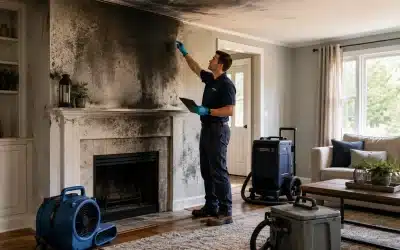
Smoke Damage in Your Home: What Should You Do Next? Smoke damage in your home should be handled carefully because soot, smoke residue, and odor can remain on walls, ceilings, floors, furniture, air pathways, and concealed surfaces after a fire. Even when the flames...
When Should You Call for Smoke Damage Restoration?
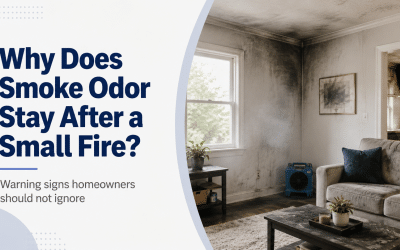
Smoke Odor After Fire: Why It Lingers and What to Do Smoke odor after fire can remain inside a home or commercial property because smoke particles, soot residue, and odor compounds settle into walls, ceilings, fabrics, carpets, furniture, cabinets, insulation, and...
What Should You Document Before Fire or Water Damage Cleanup?
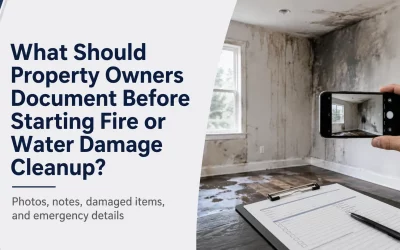
How to Document Before Fire or Water Damage Cleanup Starts To document before fire or water damage cleanup, property owners should take wide photos, close-up photos, video walkthroughs, written notes, damaged item lists, receipts, and emergency service records before...
Six Simple Ways To Prevent Roof And Attic Fires
When you think of maintaining your roof and attic, the main thing that comes to mind is probably leaks. Although your roof does play a critical role in preventing water damage to your home or commercial property, it can also be a place where fires start. No...
A Common Appliance that You May Not Expect to Start Fires In Your Home, Rental Property, or Business
Fire damage is a risk that every property owner needs to be aware of. Whether it is at your personal home, your rental property, or at your business, focusing on fire prevention and making sure that you have the right insurance coverage are two important projects that...
Will Homeowners Insurance Cover Damage From a Fireplace or Wood Stove Fire?
A fireplace or wood burning stove can be an exciting focal point in your home. They provide warmth, ambiance, and style. They can unfortunately also be a source of potential damage to your home. Many fireplace and wood stove owners have experienced issues like chimney...