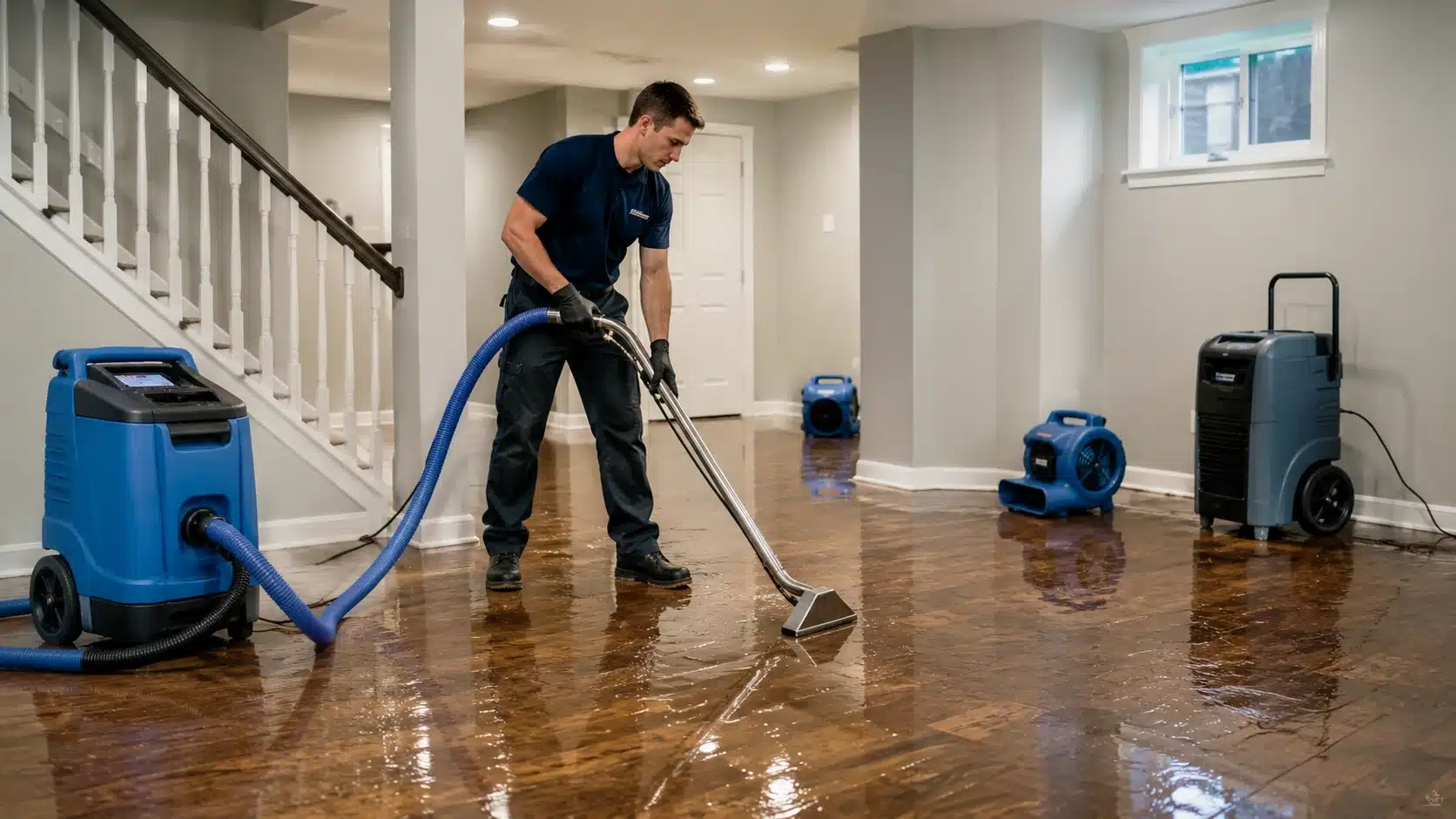
Professional Water Extraction After Flooding: Why It Matters
Professional water extraction after flooding matters because standing water can quickly spread into flooring, carpet padding, drywall, baseboards, cabinets, insulation, and structural materials. Removing the visible water is only the beginning. Moisture may remain beneath floors, behind walls, inside cabinets, and within porous building materials after the surface appears dry.
When hidden moisture is not found and dried correctly, the property may develop musty odors, material deterioration, recurring stains, warped flooring, or mold-related concerns. Professional extraction gives the drying process a stronger starting point by removing as much excess water as possible before air movers, dehumidifiers, and moisture monitoring are used.
McMahon Services & Construction Corp helps homeowners, landlords, property managers, and business owners in Hainesville, Lake County, Northern Illinois, and Southern Wisconsin respond to flooding, plumbing leaks, sewage backups, storm water intrusion, and other water damage emergencies.
Key Takeaway
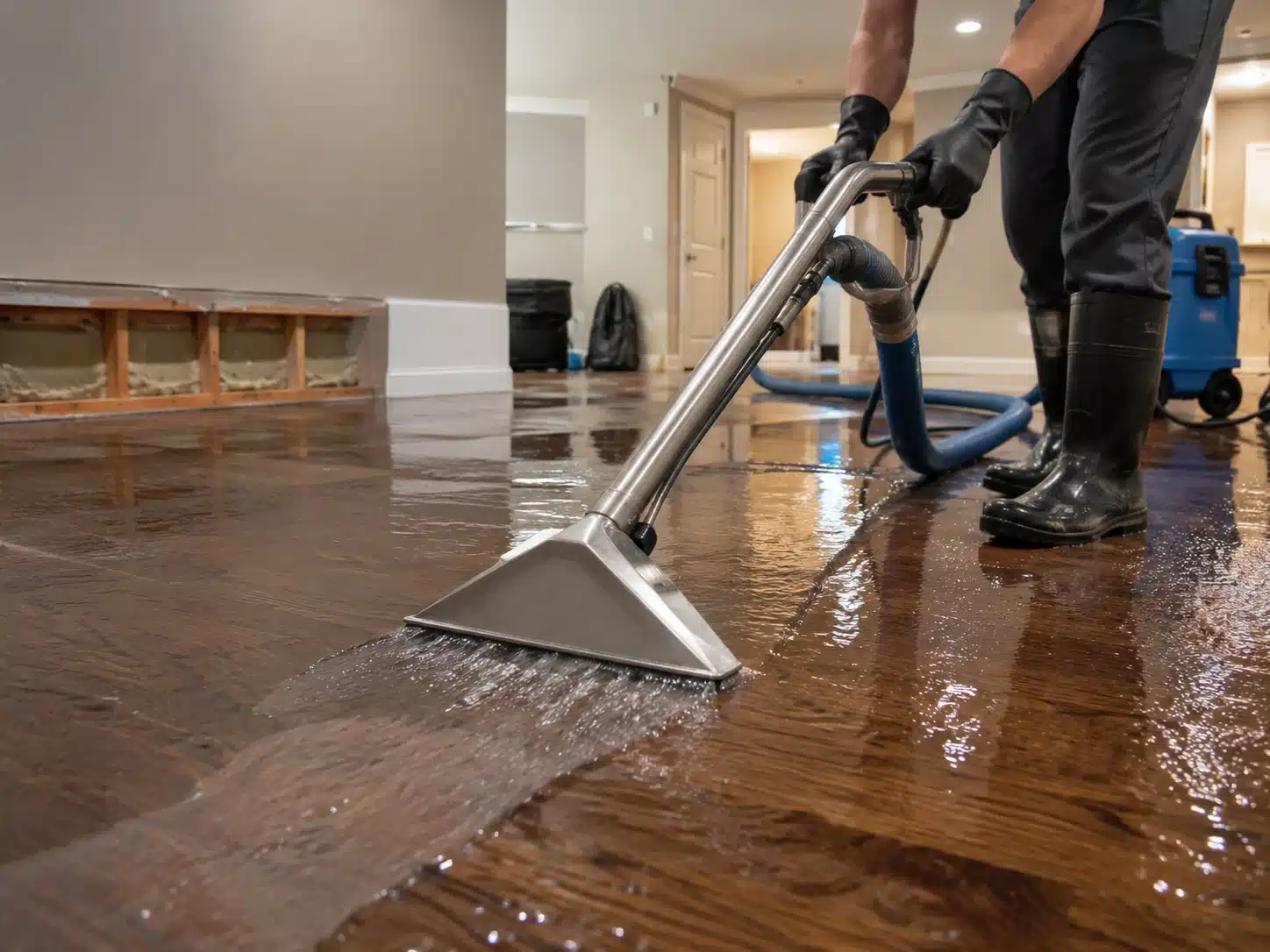
Professional water extraction removes standing water and excess moisture more effectively than mops, towels, household fans, or basic shop vacs. Extraction should be followed by moisture inspection, structural drying, dehumidification, and monitoring because walls, flooring, carpet padding, insulation, and cabinets may remain wet after visible water is gone.
Why Is Professional Water Extraction Important After Flooding?
Quick Answer
Professional water extraction is important because flood water can spread below visible surfaces within a short period. Commercial extraction equipment removes standing water and moisture from affected flooring and carpet more efficiently, helping prepare the property for structural drying, cleanup, material evaluation, and repairs.
The goal after flooding is not simply to make the water disappear from view. The goal is to limit how far moisture travels and determine which materials can be dried, cleaned, or retained.
McMahon Services provides water and sewage damage restoration services for properties affected by flooding, burst pipes, appliance failures, sewage backups, storm water, and related moisture problems.
Flood Safety Comes Before Water Extraction
Do not enter standing water until electrical, structural, contamination, and other safety hazards have been considered. Flooded rooms can contain submerged cords, appliances, outlets, sharp debris, unstable flooring, sewage, chemicals, or storm runoff.
Do Not Enter the Area When:
- Water may be in contact with outlets, wiring, appliances, or electrical panels
- Sewage, drain backup, storm runoff, or unknown contamination is present
- Ceilings, floors, stairs, or walls appear unstable
- Gas, chemical, fuel, or other unusual odors are present
- Water is deep enough to conceal debris or damaged flooring
- Emergency services or utility providers have restricted access
Property owners should not use household electrical equipment in standing water or attempt sewage extraction without appropriate training and protective measures. When the area may be unsafe, stay out and contact qualified professionals.
Why Flood Water Needs to Be Removed Quickly
Flood water does not remain in one visible area. It can migrate beneath flooring, through carpet padding, behind baseboards, under cabinets, into drywall, and along framing. The longer materials remain wet, the more moisture they may absorb.
Prompt Water Extraction Can Help Limit:
- Moisture movement beneath flooring and carpet
- Damage to drywall, baseboards, and trim
- Saturation of carpet padding and subflooring
- Swelling or deterioration of cabinets and built-ins
- Musty odors and prolonged indoor humidity
- Mold-related concerns caused by trapped moisture
- Damage to insulation, framing, and other structural materials
- Longer drying, restoration, and repair timelines
Fast extraction does not guarantee that every affected material can be saved. However, removing water sooner may reduce continued absorption and give restoration professionals more options when evaluating damaged materials.
Why Mops, Towels, and Shop Vacs May Not Be Enough
Mops and towels can be useful for a minor clean-water spill that remains on a hard surface. Flooding is different because water may cover a larger area, reach porous materials, or remain long enough to move into concealed spaces.
A shop vac may remove some visible water, but it may not extract moisture from saturated carpet padding, flooring layers, cabinets, or wall cavities. Household fans move air but do not remove water vapor from the indoor environment the way professional dehumidification equipment does.
DIY Water Removal Is Especially Risky When:
- Water reached carpet, padding, drywall, or insulation
- The affected area includes multiple rooms
- Flooring is beginning to swell, buckle, or separate
- The water source involved sewage or storm runoff
- The water source is unknown
- Musty odors are already present
- Electrical equipment or utility areas were affected
- Water remained for several hours or longer
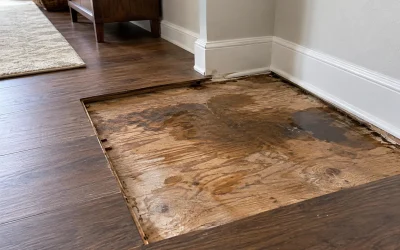
A floor can look dry while moisture remains underneath. Professional restoration equipment and moisture readings help reduce the risk of stopping cleanup before the property is actually dry.
How Professional Water Extraction Works
Professional water extraction is one phase of a larger water damage restoration process. The exact work depends on the water source, affected materials, property layout, contamination concerns, and severity of the flooding.
1. Initial Safety and Damage Assessment
The restoration team evaluates the water source, safety conditions, affected rooms, visible materials, contents, utilities, and areas where moisture may have spread.
2. Water Source Control
When possible and safe, the active water source must be stopped or controlled before extraction continues. This may involve shutting off a supply line, addressing an appliance failure, or coordinating plumbing, roofing, or exterior repair assistance.
3. Standing Water Extraction
Commercial pumps and extraction equipment remove standing water and excess moisture from flooring, carpet, and other accessible surfaces. Removing more water during this stage can make the remaining drying process more efficient.
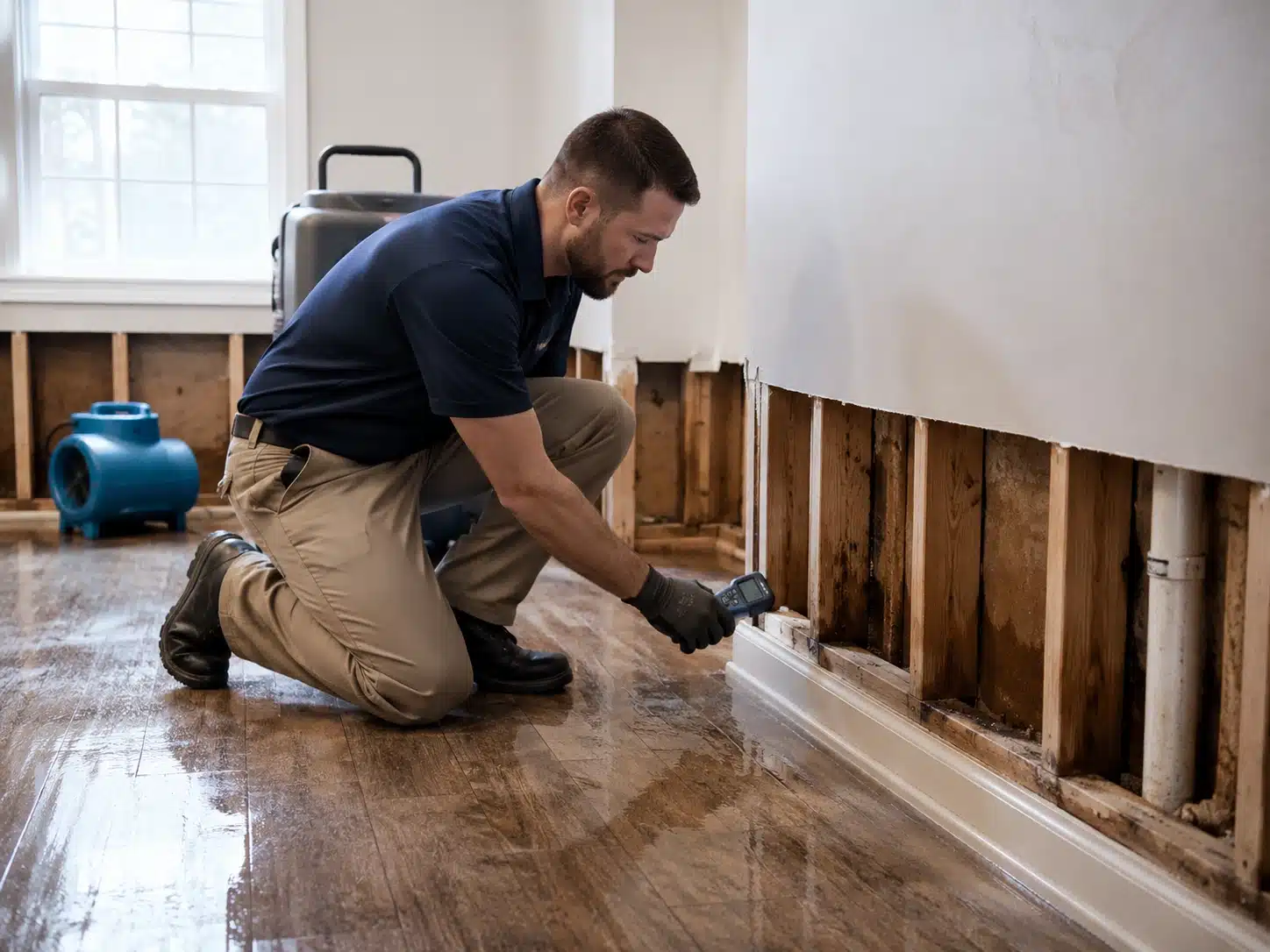
4. Moisture Inspection
Technicians inspect floors, walls, baseboards, cabinets, ceilings, adjacent rooms, and concealed areas to determine where water traveled.
5. Material Evaluation
Affected materials are evaluated to determine whether they can be cleaned and dried. Materials that are heavily saturated, contaminated, deteriorated, or unable to dry safely may require removal.
6. Air Movement and Dehumidification
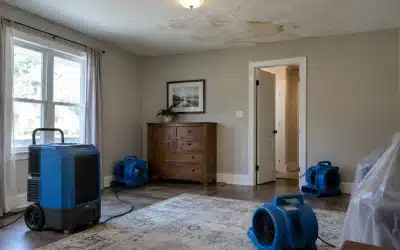
Air movers encourage moisture to leave wet surfaces. Dehumidifiers remove that moisture from the indoor air and help control humidity throughout the affected area.
7. Drying Access
Baseboards, carpet padding, flooring, cabinets, or sections of drywall may need to be removed or opened when they prevent wet materials from drying.
8. Monitoring and Equipment Adjustments
Moisture levels and indoor conditions are monitored during the drying process. Equipment may be repositioned or adjusted based on the progress of affected materials.
9. Cleaning and Repair Planning
After extraction and drying are underway, the team determines what requires cleaning, deodorizing, repair, or reconstruction. McMahon Services also provides construction and reconstruction services when water damage affects drywall, flooring, cabinets, trim, roofing, siding, or other building materials.
Why the Water Source Changes the Extraction and Cleanup Plan
Not all flood water should be handled the same way. Water from a clean supply line may require a different response than sewage, drain backup, storm runoff, groundwater, or water from an unknown source.
| Water Source | Possible Concerns | Cleanup Considerations |
|---|---|---|
| Clean supply water | Moisture absorption and material damage | Prompt extraction, drying, and moisture monitoring |
| Storm or outside flood water | Dirt, debris, and possible contamination | Protective precautions, extraction, cleaning, and material evaluation |
| Sewage or drain backup | Biological contamination and unsafe porous materials | Professional containment, contaminated material removal, cleaning, and sanitizing |
| Unknown source | Uncertain contamination and hidden damage | Cautious professional evaluation before ordinary cleanup begins |
Property owners should avoid assuming flood water is clean simply because it appears clear. The source, travel path, and materials contacted all affect the restoration plan.
How Professional Water Extraction Helps Reduce Mold Risk
Professional water extraction helps reduce mold risk by removing excess moisture before it can continue spreading into porous materials. Extraction alone does not guarantee that mold will not develop. Proper drying, humidity control, material removal, and moisture monitoring are also necessary.
The U.S. Environmental Protection Agency provides guidance on mold and moisture control, including the importance of correcting moisture problems rather than addressing visible mold alone.
Warning Signs After Flooding
- Musty or earthy odors
- Recurring wall or ceiling stains
- Visible discoloration or growth
- Damp carpet, padding, or baseboards
- Paint bubbling or peeling
- Materials that remain cool, soft, or damp
- Odors that return after the room is closed
McMahon Services also provides mold removal and remediation services when flooding or hidden moisture results in a mold-related concern.
Flooding Can Damage More Than the Floor
The floor may be the most visible part of the loss, but water can wick upward, travel sideways, and settle beneath finished materials. A complete inspection should include the surrounding building system, not only the area where water pooled.
Materials Commonly Affected by Flooding
- Drywall, plaster, and ceiling materials
- Carpet, carpet padding, and rugs
- Hardwood, laminate, vinyl, and tile flooring systems
- Subflooring and floor underlayment
- Cabinets, vanities, and built-in storage
- Baseboards, trim, and door frames
- Insulation
- Wood framing and structural materials
- Furniture, documents, electronics, and stored contents
- HVAC and utility areas
Some materials may be dried and retained. Others may require removal because of contamination, deterioration, delamination, swelling, or prolonged saturation.
When Is Professional Water Extraction Especially Important?
Professional extraction is recommended when water extends beyond a small clean-water spill or reaches materials that can retain hidden moisture.
Common Situations That Require Professional Attention
- Basement flooding
- Storm water intrusion
- Sewage and drain backups
- Burst or leaking pipes
- Water heater failures
- Washing machine, dishwasher, or appliance overflows
- Roof leaks affecting ceilings, insulation, or walls
- Sump pump failures
- Flooding that affects carpet, cabinets, drywall, or multiple rooms
- Water that has remained for several hours or longer
Property managers and commercial building owners can also review McMahon Services’ emergency response planning service for help preparing for water, fire, storm, and other restoration emergencies.
Water Extraction Can Help Shorten the Drying Timeline
The more water that remains inside the property, the more moisture drying equipment must remove through evaporation and dehumidification. Extraction removes bulk water first, giving the structural drying process a better starting point.
The total drying time still depends on the volume of water, affected materials, indoor humidity, temperature, airflow, contamination, and how long the water remained before extraction began.
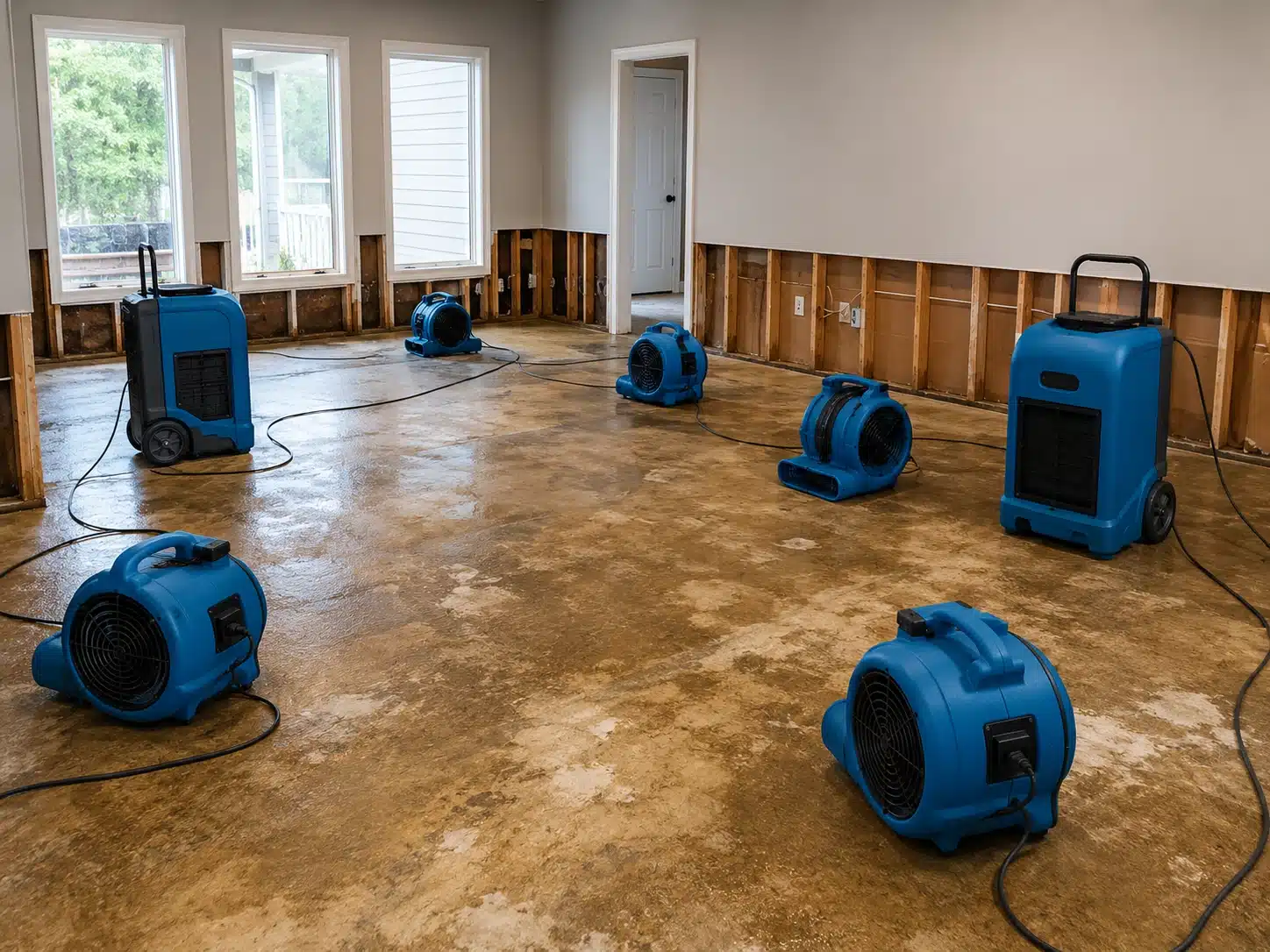
Without adequate extraction, drying equipment may need to operate longer, and some materials may continue absorbing moisture while waiting for evaporation alone.
Why Moisture Monitoring Matters After Extraction
Professional water extraction is not the final step. Moisture readings are used to track whether walls, floors, cabinets, and other materials are drying as expected.
Moisture Monitoring Helps Confirm That:
- Water is not remaining beneath flooring
- Drywall and wall cavities are drying
- Carpet padding and subflooring are no longer saturated
- Baseboards and cabinets are not concealing wet materials
- Drying equipment is positioned effectively
- Repairs are not being completed over damp surfaces
Beginning reconstruction before moisture is under control can trap water beneath new flooring, drywall, paint, or cabinets. This may contribute to recurring odors, stains, deterioration, or additional repair work.
When Should Property Owners Call a Water Damage Restoration Company?
Call for professional help when water reaches carpet, flooring, drywall, cabinets, insulation, utilities, or more than one room. Professional assistance is also important when contamination, electrical hazards, mold, or hidden moisture may be involved.
Call for Help When:
- Standing water covers a large area
- Water continues entering the property
- Sewage, storm runoff, or an unknown water source is present
- Carpet, padding, drywall, or insulation is saturated
- Flooring begins to buckle, swell, or separate
- Cabinets, trim, or baseboards are wet
- The property develops a musty odor
- Mold is visible or suspected
- Electrical or mechanical systems may be affected
- You are unsure how far the water traveled
McMahon Services & Construction Corp is based at 44 W Belvidere Rd, Hainesville, IL 60030, and provides 24-hour emergency restoration support throughout Hainesville, Lake County, Northern Illinois, and Southern Wisconsin.
Quick Decision Guide
Call a professional water extraction company when flooding extends beyond a minor surface spill, reaches porous materials, involves sewage or storm water, affects multiple rooms, or may have entered concealed spaces.
Frequently Asked Questions About Professional Water Extraction
What is professional water extraction?
Professional water extraction is the removal of standing water and excess moisture using commercial restoration equipment. It is commonly used after flooding, burst pipes, appliance failures, sewage backups, and storm-related water intrusion.
Why is water extraction important after flooding?
Water extraction limits the amount of moisture available to spread into flooring, drywall, carpet padding, cabinets, insulation, and structural materials. It also prepares the property for controlled drying and restoration.
Can I remove flood water myself?
A minor clean-water spill may be manageable, but larger flooding should be professionally evaluated. Household tools may remove visible water without addressing moisture under flooring, behind walls, or inside saturated materials.
Does professional extraction completely dry the property?
No. Extraction removes standing water and excess moisture, but structural drying, dehumidification, material evaluation, and moisture monitoring are usually needed afterward.
Does water extraction prevent mold?
Extraction helps reduce mold risk by removing moisture quickly, but it does not guarantee prevention. Hidden materials must also be inspected, dried, monitored, and removed when necessary.
How long does water extraction take?
The extraction time depends on the volume and depth of water, property size, affected materials, access conditions, water source, and equipment needed. Structural drying generally continues after extraction is complete.
Should carpet padding be removed after flooding?
It depends on the water source, duration of exposure, contamination level, and whether the padding can be dried safely. Saturated or contaminated padding may require removal.
When should I call a professional after flooding?
Call when water reaches carpet, flooring, drywall, insulation, cabinets, utilities, or multiple rooms. Assistance is also important after sewage backups, storm flooding, musty odors, visible mold, or suspected hidden moisture.
Get Professional Water Extraction After Flooding
Professional water extraction removes standing water and excess moisture before it can continue spreading through the property. However, successful flood recovery also requires moisture inspection, controlled drying, dehumidification, monitoring, cleaning, and repair planning.
Do not rely only on the appearance of the floor or walls. A property may look dry while carpet padding, subflooring, drywall, insulation, cabinets, or framing remain wet.
For 24-hour professional water extraction and water damage restoration in Hainesville, Lake County, Northern Illinois, and Southern Wisconsin, call McMahon Services & Construction Corp at 847-566-4568 or visit the water and sewage damage restoration service page.




0 Comments