
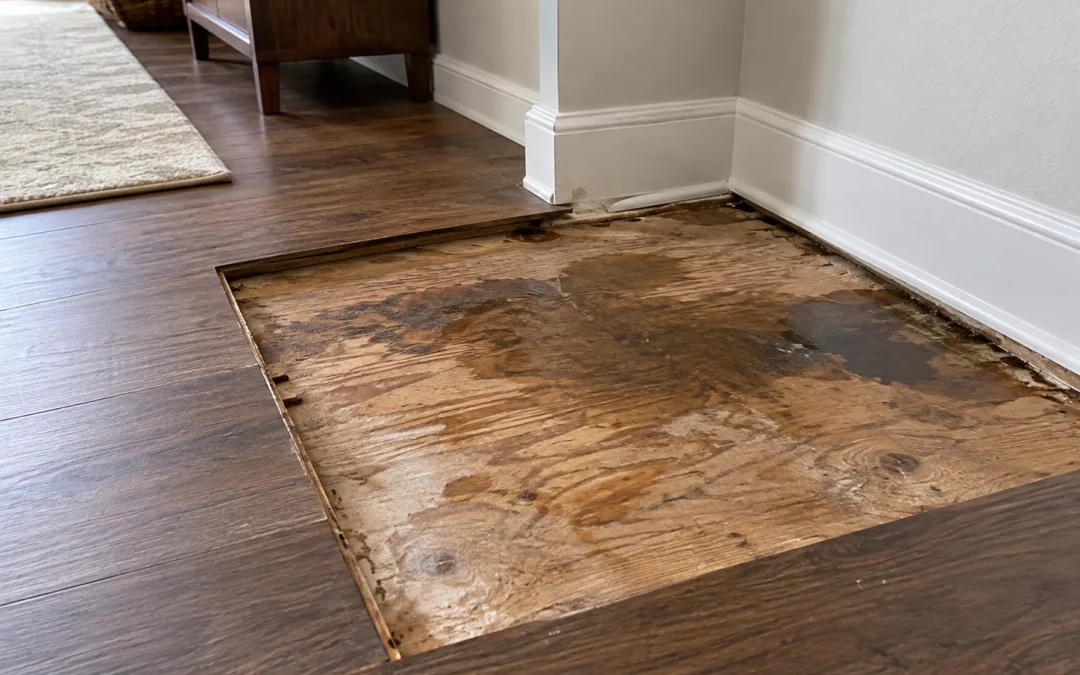
How Do You Know If a Wet Subfloor Needs to Be Replaced?
What Signs Show That a Water-Damaged Subfloor Can No Longer Be Saved? A wet subfloor does not always need to be replaced, but replacement becomes more likely when the material is swollen, soft, delaminated, structurally weakened, contaminated, mold-affected, or unable...
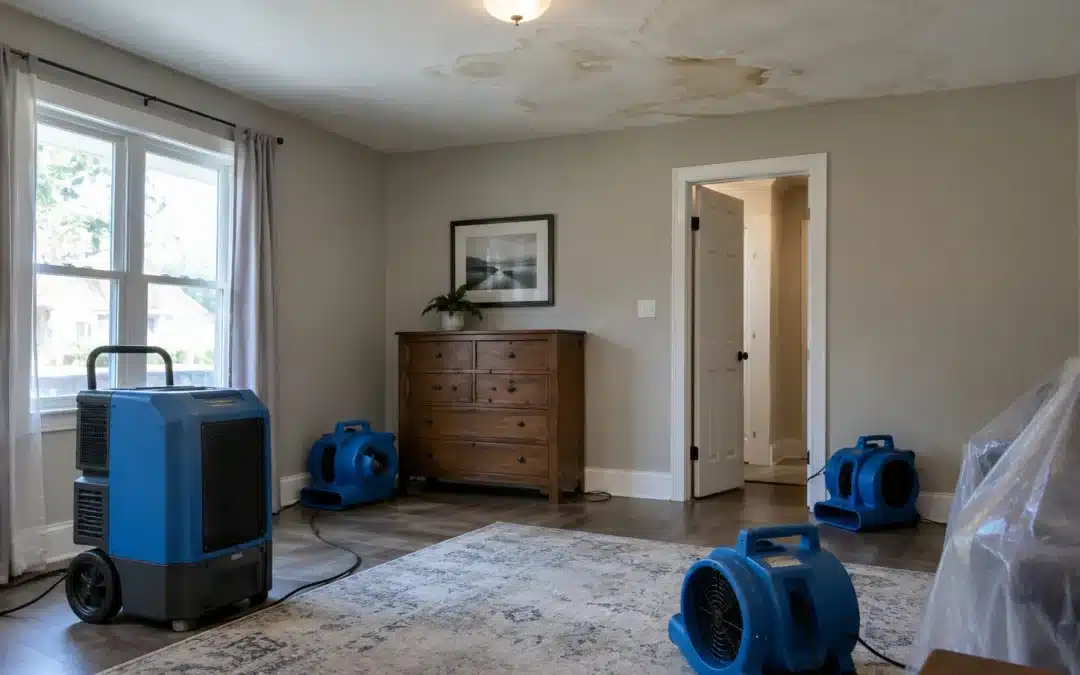
Can a Water-Damaged Ceiling Be Dried, or Does the Drywall Need to Be Replaced?
How Do You Know Whether Water-Damaged Ceiling Drywall Can Be Saved? Water-damaged ceiling drywall may sometimes be dried and retained when the water exposure is limited, the drywall remains structurally sound, the water source is clean, and moisture can be removed...
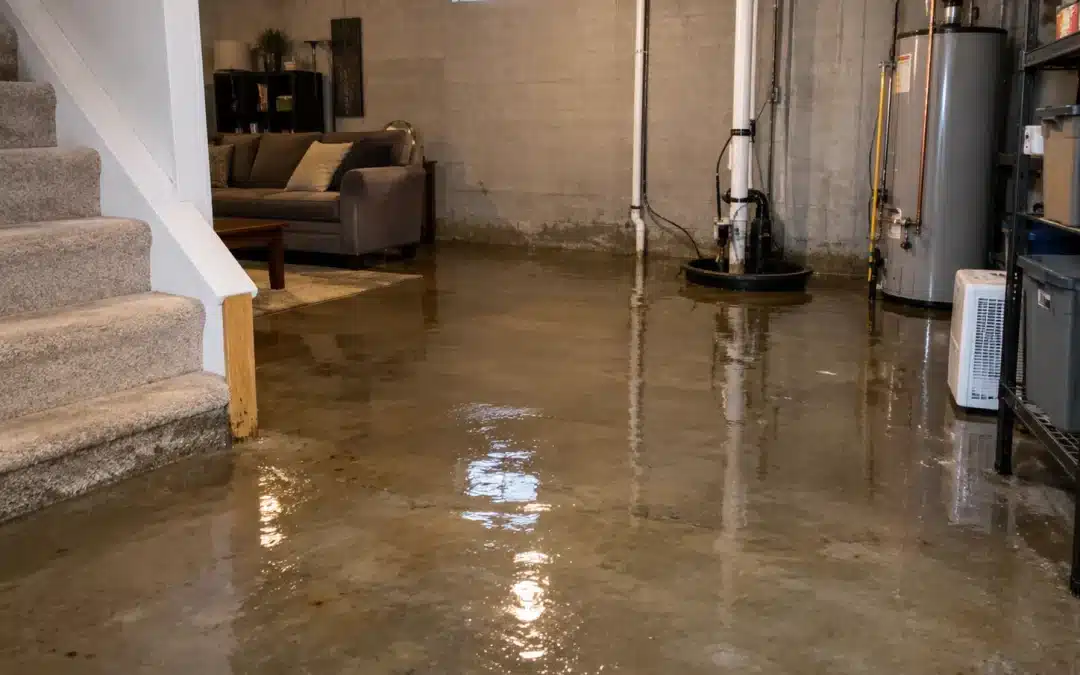
What Happens When a Sump Pump Fails During Heavy Rain?
How Can a Sump Pump Failure Flood a Basement During Heavy Rain? When a sump pump fails during heavy rain, groundwater and storm-related seepage can begin filling the sump pit and then overflow into the basement, leading to standing water, wet flooring, soaked drywall,...
Can Mold Grow Inside Walls After a Plumbing Leak?
Can Mold Grow Inside Walls After a Plumbing Leak? Mold inside walls can develop when a plumbing leak wets drywall, insulation, wood framing, dust, wallpaper, or other materials inside a concealed wall cavity. The leak may come from a supply pipe, drainpipe, plumbing...
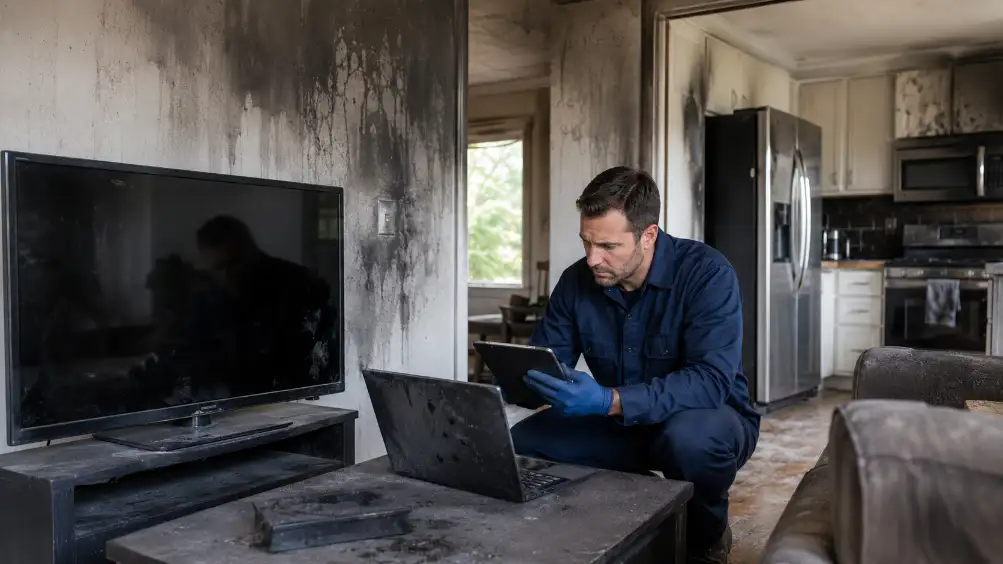
Can Electronics and Appliances Be Saved After Smoke Damage?
Can Electronics and Appliances Be Saved After Smoke Damage? Electronics and appliances may sometimes be saved after smoke exposure, but they should not be powered on until their condition has been professionally evaluated. Smoke, soot, heat, ash, and firefighting...
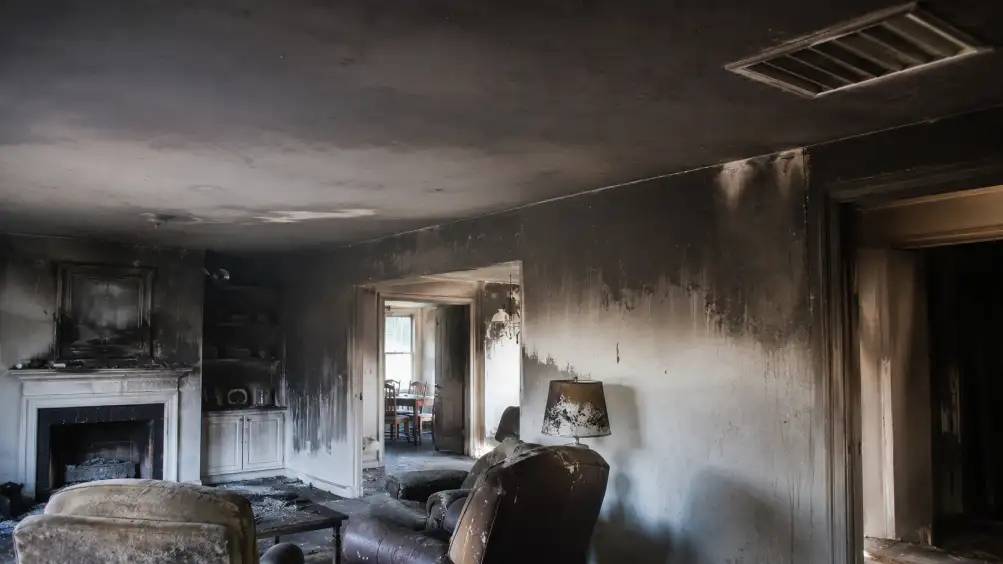
Can Smoke and Soot Enter Air Ducts After a House Fire?
Can Smoke and Soot Enter Air Ducts After a House Fire? Smoke and soot can enter air ducts after a house fire, especially when the heating or cooling system operates during the fire or shortly afterward. Smoke may move through return-air openings, filters, supply...
Latest Projects

Building A House
ProjectThe DetailsThe Challenge Vivamus ipsum velit, ullamcorper quis nibh non, molestie tempus sapien. Mauris ultrices, felis ut eleifend auctor, leo felis vehicula quam, ut accumsan augue nunc at nisl. Vivamus ipsum velit, ullamcorper quis nibh non, molestie tempus...

Setting Rafters
ProjectThe DetailsThe Challenge Vivamus ipsum velit, ullamcorper quis nibh non, molestie tempus sapien. Mauris ultrices, felis ut eleifend auctor, leo felis vehicula quam, ut accumsan augue nunc at nisl. Vivamus ipsum velit, ullamcorper quis nibh non, molestie tempus...

New Construction
ProjectThe DetailsThe Challenge Vivamus ipsum velit, ullamcorper quis nibh non, molestie tempus sapien. Mauris ultrices, felis ut eleifend auctor, leo felis vehicula quam, ut accumsan augue nunc at nisl. Vivamus ipsum velit, ullamcorper quis nibh non, molestie tempus...

Remodeling
ProjectThe DetailsThe Challenge Vivamus ipsum velit, ullamcorper quis nibh non, molestie tempus sapien. Mauris ultrices, felis ut eleifend auctor, leo felis vehicula quam, ut accumsan augue nunc at nisl. Vivamus ipsum velit, ullamcorper quis nibh non, molestie tempus...