Smoke Damage on Walls, Ceilings, and Air Ducts After a Fire
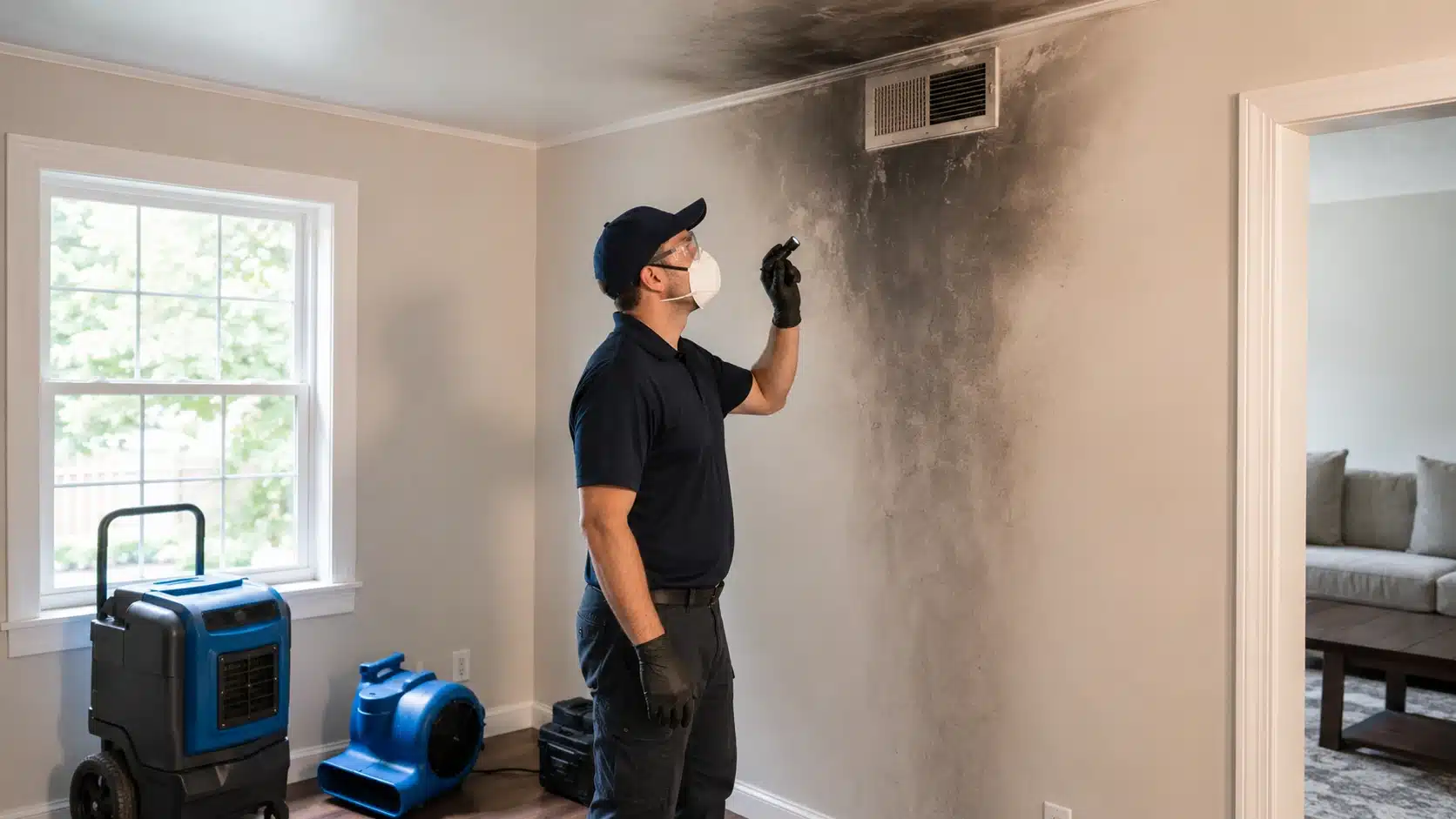
Smoke damage on walls, ceilings, and air ducts can occur even when the flames were limited to one room. Smoke rises, follows airflow, moves through doorways and hallways, and may enter vents, return-air openings, ceiling spaces, cabinets, closets, and nearby rooms.
After the fire is extinguished, soot, discoloration, and odor-producing residue may remain on painted surfaces, textured ceilings, trim, vents, flooring, furniture, and concealed materials. A room can therefore appear undamaged by flames while still requiring smoke and soot cleanup.
McMahon Services & Construction Corp helps homeowners, landlords, property managers, and business owners throughout Hainesville, Lake County, Northern Illinois, and Southern Wisconsin recover from fire, smoke, soot, odor, and related water damage.
Key Takeaway
Smoke damage may extend from the fire area to walls, ceilings, vents, returns, air ducts, cabinets, flooring, and adjoining rooms. Avoid painting over stains or operating the HVAC system before the affected surfaces and air pathways have been evaluated.
Can Smoke Affect Walls, Ceilings, and Air Ducts?
Quick Answer
Yes. Smoke can rise to ceilings, settle on walls, move through hallways, and enter vents and HVAC pathways. This may leave soot, discoloration, residue, and odors in rooms that were never directly touched by flames.
The cleanup plan should consider the entire path of the smoke, not only the visibly burned area. McMahon Services provides fire and smoke damage restoration services for properties affected by soot, smoke residue, persistent odors, firefighting water, and damaged building materials.
How Smoke Travels Beyond the Fire Area
Smoke moves with heat, air pressure, ventilation, and the layout of the building. During a fire, hot smoke rises and may travel through open doors, stairways, hallways, ceiling spaces, vents, wall openings, and gaps around construction materials.
If the HVAC system operates during or shortly after the fire, return-air pathways may draw smoke into the system and distribute odor or particles to other rooms.
Areas Smoke May Reach
- Interior walls and upper wall corners
- Ceilings and textured surfaces
- Supply vents and return-air grilles
- Air ducts and registers
- Cabinets, shelving, and drawers
- Carpet, rugs, upholstery, and curtains
- Closets and storage spaces
- Attics, basements, and adjacent rooms
- Books, documents, clothing, and stored contents
A room without visible soot may still contain smoke residue or odor. For general fire recovery information, property owners can also review Ready.gov home fire safety guidance.
Signs of Smoke Damage on Walls
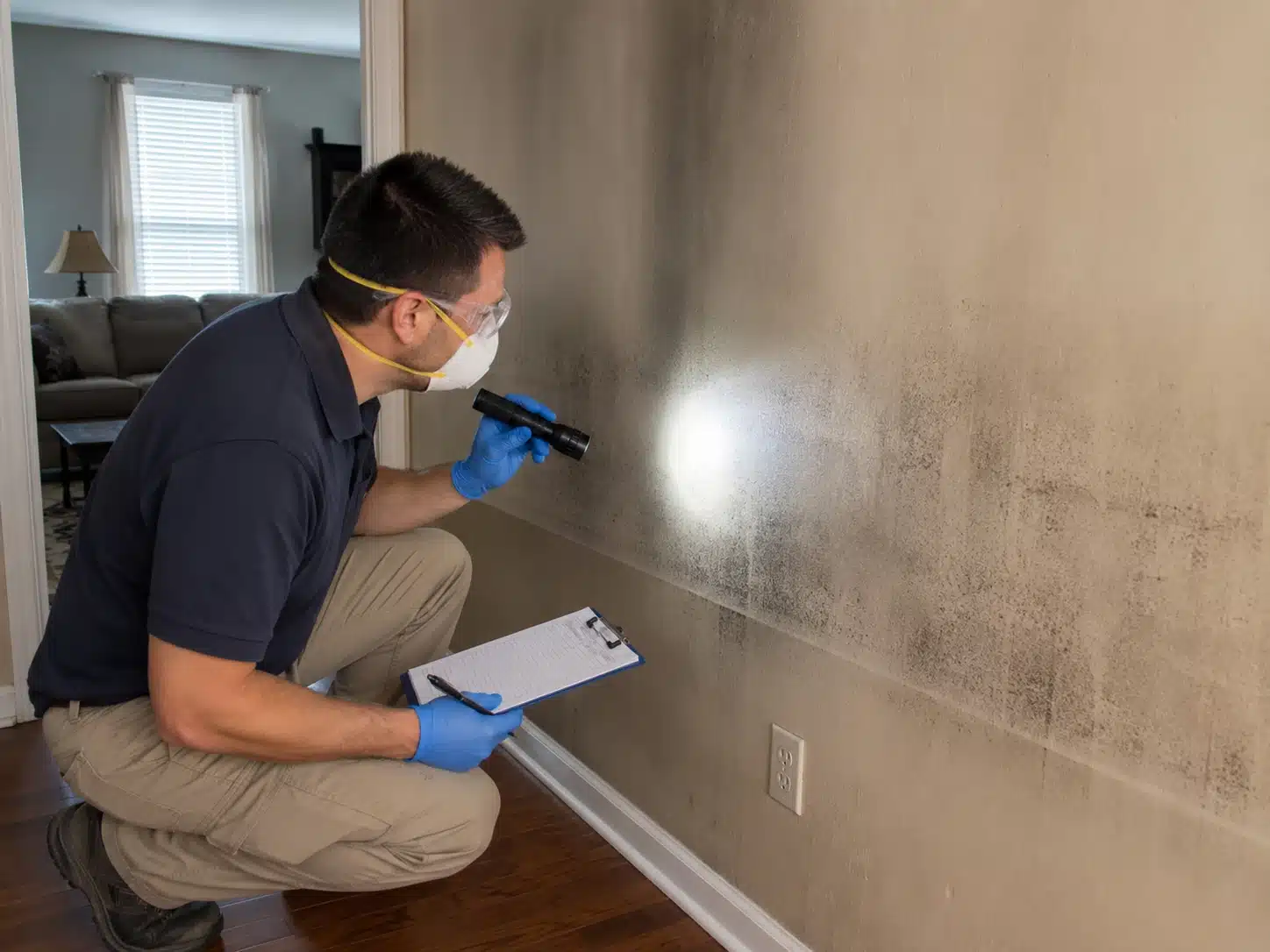
Walls are among the most visible places where smoke residue settles. The appearance depends on what burned, the temperature of the fire, ventilation, surface finish, and length of exposure.
Smoke-Damaged Walls May Show:
- Black, gray, brown, or yellow discoloration
- Soot streaks or smudges
- Residue concentrated near ceilings and corners
- Staining around outlets, switches, and wall openings
- Dark marks near vents and return-air grilles
- Persistent smoky odor close to the surface
- Oily or sticky deposits on painted finishes
Smoke residue should not be treated like ordinary dirt. Wet wiping, aggressive scrubbing, or using an unsuitable cleaner may smear soot, create streaks, or push contamination deeper into paint, drywall, wallpaper, or textured finishes.
Check the Surface Before Cleaning
Painted drywall, plaster, wallpaper, masonry, finished wood, and textured surfaces can respond differently to soot and cleaning products. The material and type of residue should guide the cleaning method.
How Smoke Damage Affects Ceilings
Ceilings commonly collect smoke residue because heat and smoke rise. Even when the fire begins near the floor or on a countertop, smoke may spread across the ceiling before moving into adjoining rooms.
Signs of Smoke Damage on Ceilings
- Dark soot or shadow-like staining
- Discoloration around light fixtures
- Residue near ceiling vents
- Heavy staining where walls meet ceilings
- Odor trapped in textured or porous ceiling materials
- Marks near attic access openings
- Mixed smoke and water staining after firefighting efforts
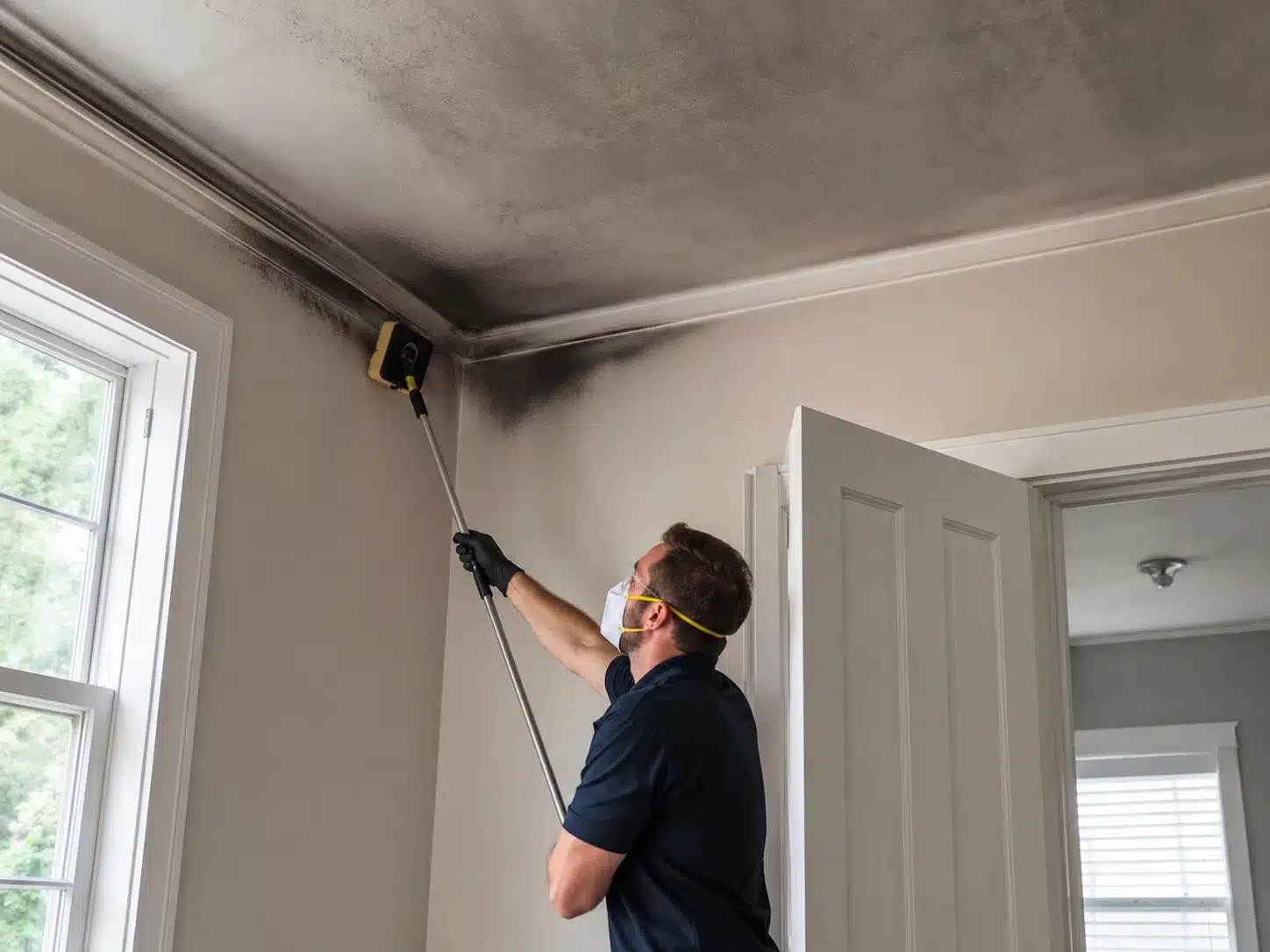
Textured ceilings, acoustic materials, and porous finishes may be more difficult to clean than smooth sealed surfaces. Some materials can be restored, while others may require removal and replacement depending on the extent of residue, heat, odor, or water damage.
Can Smoke Damage Affect Air Ducts and HVAC Systems?
Yes. Smoke may affect filters, vents, return-air openings, registers, air handlers, and accessible duct surfaces. The concern is greater when the heating or cooling system operated during or immediately after the fire.
Possible Signs of HVAC Involvement
- Smoke odor becomes stronger when the system starts
- Soot or discoloration appears around registers
- Residue is visible near return-air grilles
- Rooms far from the fire smell smoky
- The HVAC filter contains dark residue
- Odor returns after walls and floors are cleaned
Do not automatically restart the HVAC system after a fire. Operating it before inspection could move residue and odor into additional rooms.
McMahon Services provides air duct cleaning and carpet cleaning services that may be included in a broader restoration plan when smoke affects air pathways and soft surfaces.
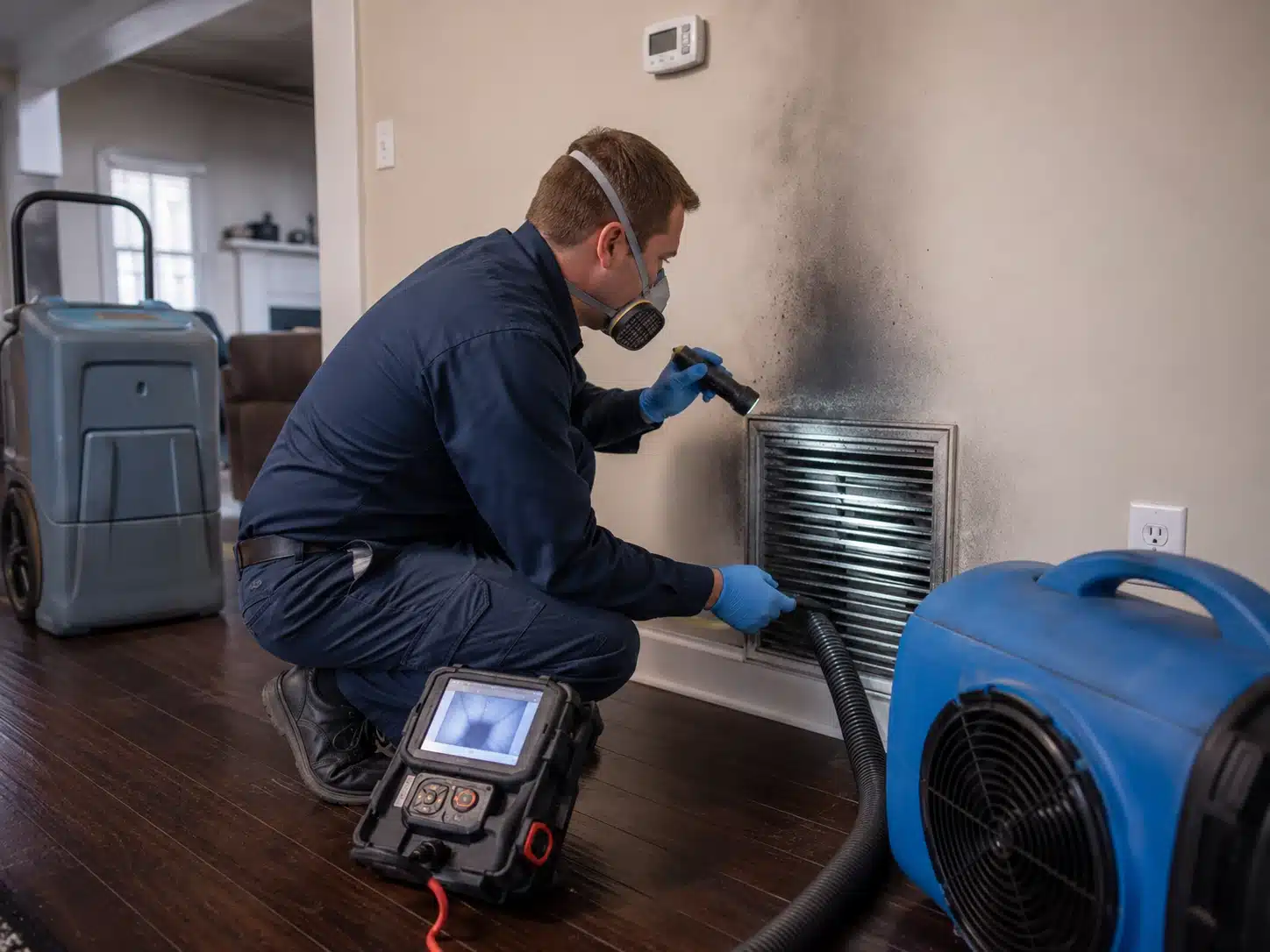
Air Duct Cleaning Is Only One Part of Restoration
Cleaning ducts alone will not resolve smoke odor if walls, ceilings, carpet, insulation, furniture, or other materials still contain residue. All significant odor sources should be evaluated.
Why Smoke Odor Can Remain After Surface Cleaning
Smoke odor can remain because odor-producing particles often settle beyond visible surfaces. Residue may enter porous materials, soft contents, unfinished wood, insulation, carpet padding, and concealed cavities.
Materials That Commonly Retain Smoke Odor
- Drywall and ceiling materials
- Carpet and carpet padding
- Upholstered furniture and mattresses
- Curtains and fabric window coverings
- Cabinets and unfinished wood
- Air vents, returns, filters, and duct surfaces
- Insulation and concealed wall spaces
- Books, cardboard, documents, and clothing
Air fresheners, candles, and sprays may temporarily cover the smell, but they do not remove the residue causing it. Odor treatment is more effective after soot and damaged source materials have been cleaned or removed.
Why Odor May Return
Smoke odor may become noticeable again when indoor temperatures rise, humidity changes, the property is closed, or the HVAC system begins operating. Recurring odor usually means a source remains.
What a Professional Smoke Damage Inspection Looks For
Every fire creates a different residue pattern. A professional inspection considers what burned, where the fire started, how smoke traveled, which materials were exposed, and whether firefighting water created additional damage.
The Inspection May Include:
- The origin and visible extent of the fire
- Smoke and soot patterns on walls and ceilings
- Odor intensity in individual rooms
- Vents, returns, filters, and possible duct involvement
- Cabinets, trim, flooring, furniture, and contents
- Closets, attic openings, and concealed storage areas
- Water damage caused by hoses or sprinklers
- Materials that may be cleaned and retained
- Materials that may require removal or replacement
- Repair and reconstruction requirements
The inspection helps determine whether the property needs surface cleaning, detailed soot removal, contents restoration, odor control, air-pathway attention, water extraction, demolition, or reconstruction.
Why You Should Not Paint Over Smoke Damage Too Soon
Painting over smoke stains without proper cleaning and preparation can trap residue and odor beneath the new coating. Discoloration may appear covered at first and later bleed through the paint.
Before Repainting, Surfaces May Need:
- Inspection for soot and oily residue
- Dry or specialized surface cleaning
- Odor-source treatment
- Removal of material that cannot be restored
- Drying when firefighting water is present
- Appropriate preparation before refinishing
If walls, ceilings, trim, cabinets, insulation, or other materials cannot be cleaned successfully, reconstruction may be necessary. McMahon Services provides construction services for repair and rebuilding after fire and smoke restoration.
Smoke Damage Can Combine With Water Damage
Fire restoration may also require water damage cleanup. Fire hoses, sprinkler systems, and suppression efforts can leave ceilings, drywall, flooring, carpet, insulation, cabinets, and contents wet.
Combined Smoke and Water Damage May Include:
- Wet drywall covered with soot
- Damp ceilings with smoke staining
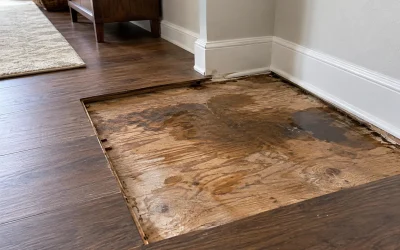
- Water beneath carpet or flooring
- Wet insulation and concealed wall cavities
- Musty odors mixed with smoke odor
- Swollen trim, cabinets, or baseboards
- Mold-related concerns when drying is delayed
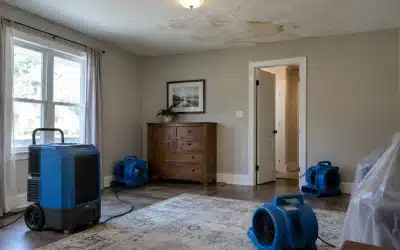
Wet materials should be extracted, evaluated, dried, or removed before permanent repairs begin. McMahon Services can coordinate fire restoration with water damage restoration and structural drying.
What Not to Do When Smoke Affects Walls, Ceilings, or Ducts
Improper cleanup can spread residue, trap odor, and make later restoration more difficult.
- Do not scrub heavy soot with a wet household rag.
- Do not paint over stains before cleaning and preparation.
- Do not operate the HVAC system if smoke may have entered it.
- Do not rely on fragrances to remove odor.
- Do not assume rooms without visible soot are unaffected.
- Do not ignore ceiling corners, vents, returns, or closets.
- Do not discard damaged contents before documenting them.
- Do not rebuild over wet materials from firefighting efforts.
- Do not spread soot into clean rooms on clothing, shoes, or tools.
How Professional Smoke Damage Restoration Works
A coordinated restoration process follows the path of smoke throughout the property instead of treating only the most visible stains.
1. Safety and Damage Assessment
The property is reviewed for structural, electrical, debris, water, and access concerns.
2. Documentation and Scope Development
Affected rooms, surfaces, contents, soot patterns, odor conditions, and water damage are documented.
3. Containment and Protection
Unaffected areas may be protected to limit soot and debris movement during cleaning.
4. Wall and Ceiling Cleaning
Cleaning methods are selected based on the surface finish, type of residue, and extent of damage.
5. HVAC and Air-Pathway Evaluation
Filters, vents, returns, and accessible air pathways are reviewed when smoke movement is suspected.
6. Contents Evaluation
Furniture, fabrics, electronics, documents, and personal property are evaluated for cleaning, restoration, or removal.
7. Odor-Source Removal
Soot, smoke residue, and materials holding odor are addressed before deodorizing and air treatment.
8. Water Extraction and Drying
Water from suppression efforts is extracted and affected materials are dried and monitored.
9. Repair and Reconstruction
Drywall, ceilings, flooring, insulation, cabinets, trim, and other materials may be replaced when they cannot be restored.
McMahon Services also provides restoration and cleaning services for properties affected by fire, smoke, water, mold, storms, and related damage.
When Should You Call a Fire and Smoke Restoration Company?
Professional help is recommended when soot, odor, HVAC involvement, water damage, or damaged building materials make ordinary household cleaning inadequate.
Call for Professional Help When:
- Soot is visible on walls, ceilings, cabinets, or contents
- Smoke odor remains after ventilation
- Several rooms or floors are affected
- Smoke odor comes from vents or returns
- HVAC equipment may have operated during the fire
- Carpet, upholstery, drywall, or insulation retains odor
- Firefighting water affected walls, ceilings, or flooring
- Smoke-damaged materials may require removal
- Permanent repairs are needed after cleanup
McMahon Services & Construction Corp is based at 44 W Belvidere Rd, Hainesville, IL 60030, and provides 24-hour emergency restoration support throughout Hainesville, Lake County, Northern Illinois, and Southern Wisconsin.
Quick Decision Guide
Call a restoration company when smoke damage extends beyond a minor surface, odor keeps returning, soot affects porous materials, or smoke and firefighting water have reached multiple areas of the property.
Frequently Asked Questions About Smoke Damage on Walls, Ceilings, and Air Ducts
Can smoke damage walls and ceilings after a fire?
Yes. Smoke rises, spreads, and settles throughout the property. Walls and ceilings may develop soot staining, discoloration, residue, and lingering odor even outside the room where the fire started.
Can smoke enter air ducts after a fire?
Yes. Smoke may enter vents, return-air openings, and ductwork, especially when the HVAC system operates during or after the fire.
Why does smoke odor remain after cleaning the walls?
Odor may remain in ceilings, carpet, furniture, cabinets, insulation, air pathways, and concealed materials after the visible wall residue is removed.
Should I turn on the HVAC system after smoke damage?
Not until the system has been evaluated when smoke may have entered the vents or ductwork. Operating it could distribute odor and residue to additional rooms.
Can I paint over smoke stains?
Not before the surface is properly cleaned, treated, dried, and prepared. Otherwise, soot staining and odor may bleed through the new finish.
Does air duct cleaning remove all smoke odor?
Not by itself. Walls, ceilings, carpet, furniture, insulation, and other odor sources may also require cleaning, removal, or restoration.
Can smoke-damaged walls require replacement?
Yes. Drywall or other wall materials may require replacement when they are burned, heavily contaminated, water-damaged, or unable to be cleaned successfully.
When should I call a smoke damage restoration company?
Call when soot is visible, odor remains, several rooms are affected, vents smell smoky, the HVAC system may be involved, or the fire caused water or structural damage.
Get Help With Smoke Damage on Walls, Ceilings, and Air Ducts
Smoke damage can follow a path from the fire source to ceilings, walls, vents, contents, adjoining rooms, and concealed materials. Cleaning only the most visible soot may leave odor and residue behind.
A professional inspection can help determine which surfaces can be cleaned, whether the HVAC system was affected, whether firefighting water requires drying, and which materials need repair or replacement.
For 24-hour fire and smoke damage restoration in Hainesville, Lake County, Northern Illinois, and Southern Wisconsin, call McMahon Services & Construction Corp at 847-566-4568 or visit the fire and smoke damage restoration service page.




0 Comments