What Is Soot Damage and Why Is It Difficult to Clean?
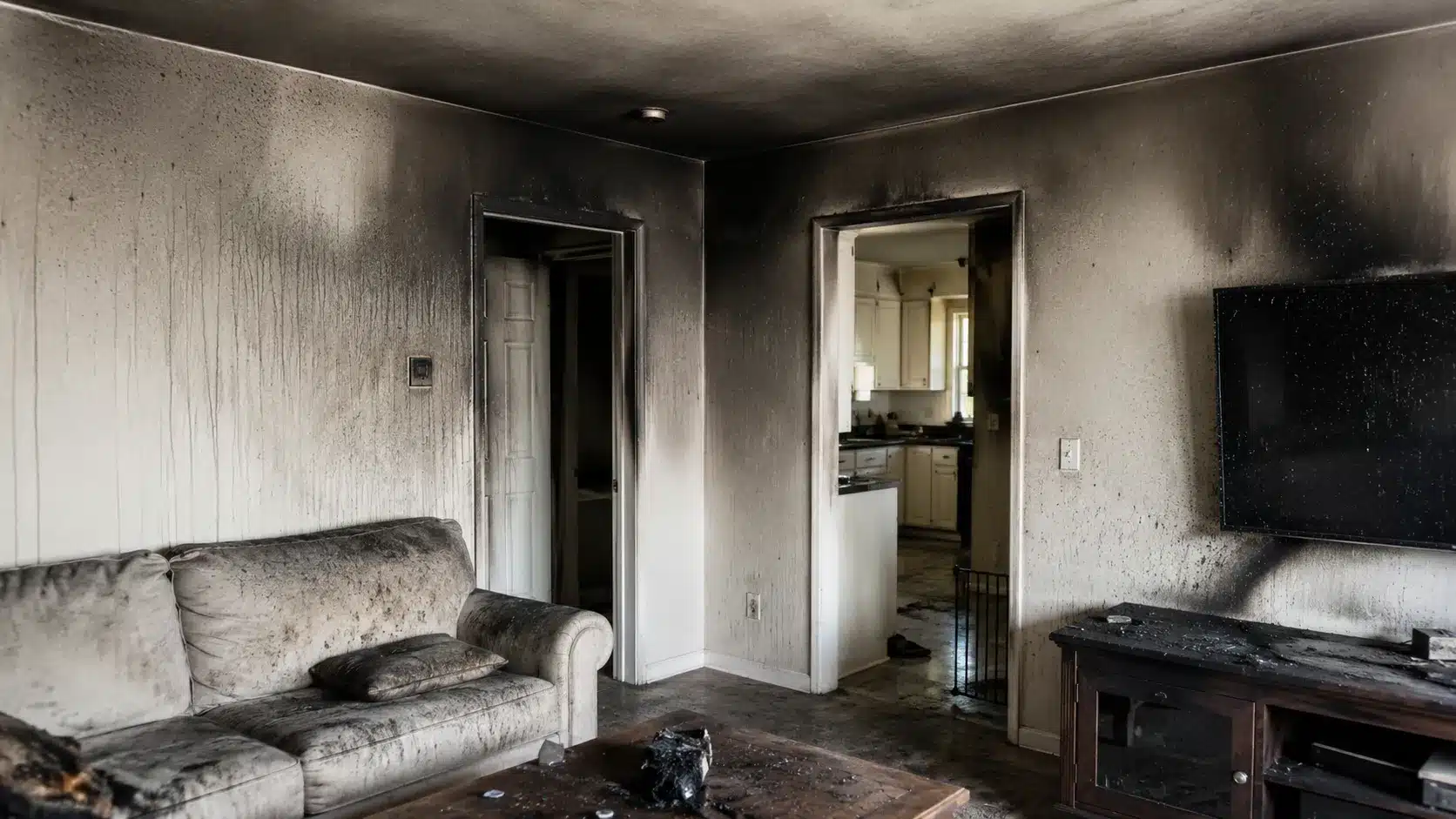
Soot damage is the staining, contamination, odor, and material deterioration caused by fine residue released during incomplete combustion. After a residential or commercial fire, soot can settle on walls, ceilings, floors, cabinets, furniture, electronics, textiles, appliances, and personal belongings. It may also reach closets, attics, wall cavities, HVAC components, and rooms that were never touched by flames.
Soot is difficult to clean because it is not the same as ordinary household dust. Depending on the materials that burned and the conditions of the fire, the residue may be dry and powdery, oily, sticky, acidic, or nearly invisible. Using the wrong cleaner or wiping technique can smear residue, force particles deeper into porous materials, create permanent streaks, and make smoke odor more difficult to remove.
Effective soot damage cleanup starts by determining what burned, where the residue traveled, how the affected materials respond to cleaning, and whether firefighting water caused additional damage. Some surfaces and belongings can be restored, while heavily burned, contaminated, corroded, or structurally damaged materials may require removal and replacement.
Quick Answer
Do not clean soot like ordinary dust. Avoid wiping heavy residue with a wet cloth, using the same household cleaner on every surface, operating a smoke-affected HVAC system, or painting directly over soot stains. Wait until the property is safe to enter, photograph the damage, limit movement through affected rooms, and arrange a professional fire restoration inspection when soot affects multiple surfaces, rooms, or contents.
Key Takeaways
- Soot may be dry, oily, sticky, acidic, or difficult to see depending on what burned.
- Wet wiping can smear soot and push contamination into paint, drywall, fabric, wood, and other porous materials.
- Smoke and soot can travel far beyond the room where the fire started.
- Walls, ceilings, cabinets, textiles, electronics, masonry, and finished wood require different cleaning methods.
- Smoke odor can remain when soot is left inside porous materials, HVAC pathways, or concealed building cavities.
- Fire recovery may also require water extraction, structural drying, debris removal, contents cleaning, and reconstruction.
Table of Contents
- What soot damage is
- How soot differs from smoke, ash, and char
- How soot spreads throughout a property
- Why fires leave different types of residue
- Why soot is difficult to clean
- How soot affects different materials
- What to do after discovering soot damage
- What to avoid during cleanup
- How professional soot cleanup works
- What may be restored or replaced
- How long restoration may take
- Insurance documentation considerations
- Northern Illinois and Southern Wisconsin considerations
- Frequently asked questions
What Is Soot Damage?
Soot is a combination of fine solid particles and liquid droplets produced when fuel or another material does not burn completely. Its composition varies depending on what burned, the amount of oxygen available, the fire temperature, and how long the combustion continued.
In a structure fire, soot may contain carbon particles, oils, acids, metals, chemicals, and residue from burned plastics, fabrics, wood, insulation, food, rubber, electronics, paint, furniture, and construction materials.
The U.S. Environmental Protection Agency explains that particulate matter can include soot and smoke particles of different sizes. Some particles are visible, while others are small enough to remain suspended in the air or settle into small openings and porous materials.
Soot damage may involve more than visible black marks. Common effects include:
- Dry, powdery, oily, or sticky residue
- Black, gray, yellow, or brown discoloration
- Persistent smoke odor
- Corrosion or tarnishing of metal surfaces
- Staining of paint, plastic, grout, fabric, and unfinished wood
- Contamination of carpet, upholstery, clothing, and insulation
- Residue inside electronics, appliances, vents, and mechanical equipment
- Additional staining caused by improper cleaning attempts
Soot Damage Is Not Always Black or Obvious
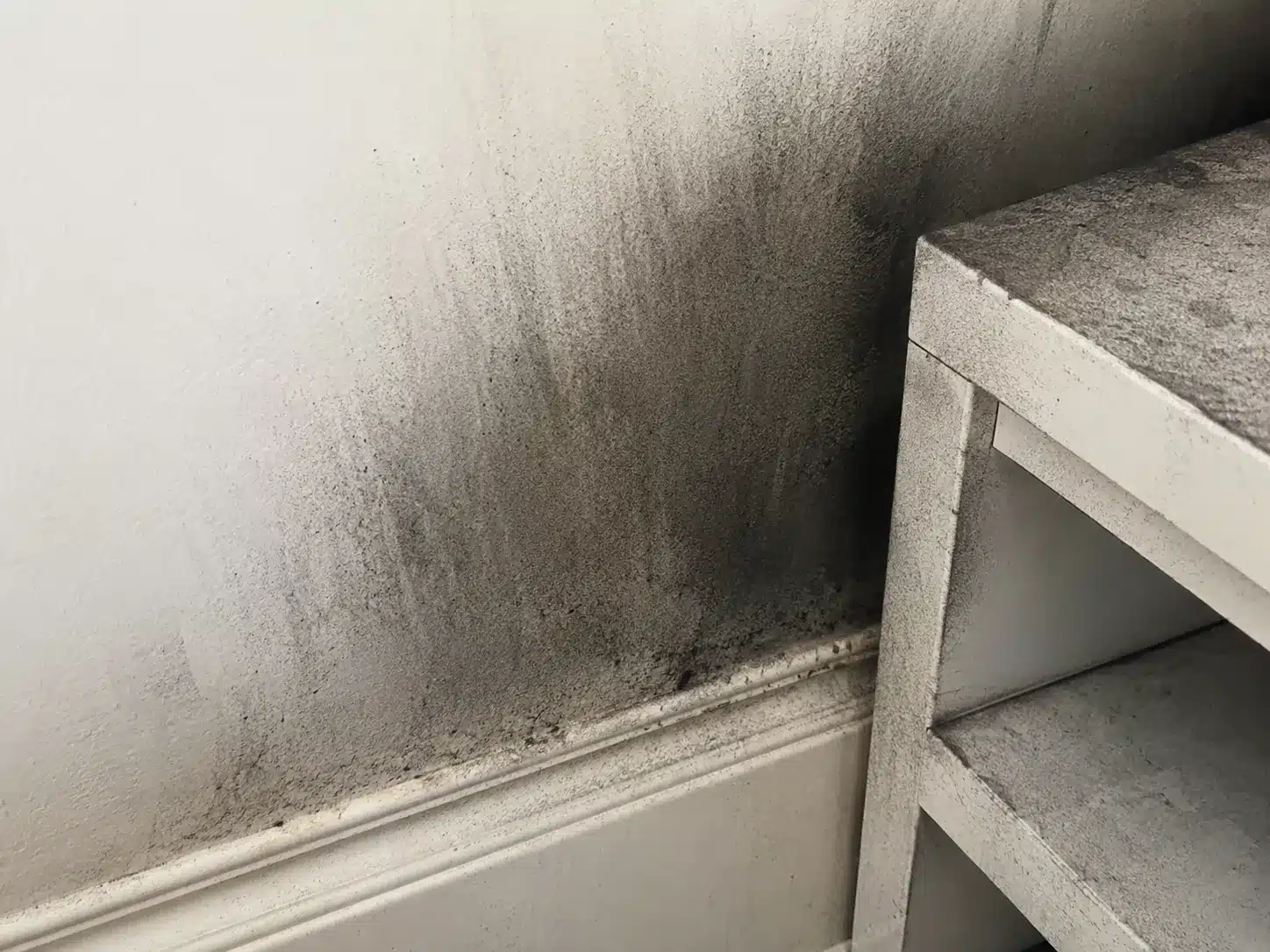
Some fire residues leave dark, highly visible deposits. Others produce a thin film, greasy coating, yellow discoloration, or nearly invisible contamination that may be easier to smell than see.
A cooking or protein fire, for example, can leave a light residue across cabinets, ceilings, walls, appliances, and nearby contents. The affected surfaces may not appear heavily damaged, but the residue can produce a persistent odor and require specialized cleaning chemistry.
The full restoration boundary should therefore be based on more than appearance. The fire location, materials that burned, air movement, HVAC operation, odor, and condition of nearby rooms all help determine how far the smoke and soot may have traveled.
How Is Soot Different From Smoke, Ash, and Char?
Soot, smoke, ash, and char are related forms of fire damage, but they are not identical.
| Fire Residue | General Description | Restoration Concern |
|---|---|---|
| Smoke | Airborne gases, vapors, particles, and combustion products created by fire | Can move through rooms, vents, openings, and porous materials before depositing residue |
| Soot | Fine particulate residue produced by incomplete combustion | Can smear, stain, corrode, contaminate surfaces, and contribute to odor |
| Ash | Powdery mineral and noncombustible material left after burning | May become airborne during disturbance and can be mixed with hazardous debris |
| Char | Material visibly burned, blackened, or physically altered by heat and flames | May require structural evaluation, removal, sealing, repair, or replacement |
A single fire-damaged room may contain all four. Framing may be charred, nearby surfaces may be covered in soot, smoke odor may remain in porous materials, and the floor may contain ash and burned debris.
This is why fire restoration cannot be completed with one general-purpose cleaner or a single cleaning method.
How Does Soot Spread Throughout a Property?
Hot smoke rises and moves toward cooler areas. Pressure differences, open doors, stairways, wall penetrations, gaps around pipes, utility chases, and mechanical systems can transport smoke and soot beyond the original fire area.
Even a relatively small fire can affect:
- Adjacent rooms and hallways
- Closets, cabinets, drawers, and storage areas
- Upper floors and stairwells
- Attics, basements, and crawl spaces
- HVAC supply vents, return vents, and ductwork
- Carpet, upholstery, curtains, mattresses, and bedding
- Insulation and unfinished structural framing
- Electronics, appliances, and mechanical equipment
- Documents, books, photographs, and personal belongings
Soot may also spread after the fire is extinguished. Shoes, clothing, gloves, tools, boxes, carts, and cleaning materials can carry residue from damaged rooms into previously unaffected areas.
McMahon Services explains in Smoke Damage in Your Home: What Should You Do Next? that smoke can travel through vents, hallways, attics, closets, cabinets, and nearby rooms even when flames were limited to one part of the property.
Operating the HVAC System May Spread Residue
If the heating or cooling system was operating during the fire, smoke may have entered return vents, supply pathways, filters, and mechanical components. Turning the system on before inspection may redistribute particles and odor throughout the building.
Visible soot around one register does not necessarily show the full extent of HVAC involvement. Filters, returns, air-handling equipment, registers, accessible duct surfaces, and nearby building materials may require evaluation.
Do not operate an affected HVAC system unless emergency personnel, an HVAC contractor, or the fire restoration team has determined that it is safe and appropriate.
Why Do Different Fires Leave Different Types of Soot?
The characteristics of soot depend on the fire. A fast-burning wood or paper fire may produce residue that behaves differently from a slow, smoldering fire involving plastics, upholstery, rubber, foam, cooking oils, or synthetic materials.
| Fire Condition or Source | Possible Residue Characteristics | Common Cleaning Challenge |
|---|---|---|
| Fast, hot fire involving wood or paper | Fine, dry, powder-like residue | Wiping may spread particles across porous or textured surfaces |
| Slow, smoldering upholstery or plastic fire | Sticky, oily residue with strong odor | Residue can adhere firmly and smear when the wrong cleaner is used |
| Cooking or protein fire | Thin or nearly invisible film with persistent odor | The affected area may be underestimated because staining appears limited |
| Furnace or fuel-oil malfunction | Oily, dark residue distributed through occupied spaces | Residue may spread through air pathways and require material-specific cleaning |
| Mixed-content structure fire | Combination of dry, oily, acidic, and chemical residues | Different rooms and contents may require different restoration procedures |
A property may contain several types of residue. The room where the fire began may contain heavy, oily soot, while distant rooms contain a lighter powder or thin smoke film.
Using the same chemical and cleaning technique throughout the property can therefore produce inconsistent results or permanently damage sensitive surfaces.
Why Is Soot So Difficult to Clean?
1. Soot Can Smear Easily
Some soot is extremely fine, while other residue contains oils, grease, and sticky combustion products. Applying water or rubbing the surface with a household cloth can spread contamination rather than remove it.
The American Red Cross advises property owners to avoid touching soot because it can smear and leave oily black stains. Smoke odors and soot can also be difficult to remove without professional restoration methods.
Property owners can review the American Red Cross disaster cleanup guidance before attempting any limited cleanup.
2. Soot Settles Into Porous and Textured Materials
Drywall, unfinished wood, carpet, fabric, insulation, ceiling tile, grout, masonry, and concrete contain pores, fibers, joints, and irregular surfaces. Fine soot can become embedded in these areas instead of remaining on the surface.
A wall or piece of furniture may look cleaner after wiping while residue remains deeper in the material. Odor and staining may then return when temperature, humidity, or airflow changes.
3. Fire Heat Can Damage Surface Finishes
Heat may soften, blister, discolor, melt, or weaken paint, varnish, plastic, adhesive, laminate, and other finishes. A cleaning product that would normally be safe may damage a surface already affected by heat.
Professional technicians may test a small area before choosing a cleaning process for painted walls, cabinets, finished wood, appliances, flooring, plastics, and other sensitive materials.
4. Different Materials Require Different Cleaning Methods
A cleaning solution suitable for glass may damage painted drywall. A method used on metal may be inappropriate for upholstery, fabric, plastic, leather, stone, unfinished wood, artwork, or electronic equipment.
Professional soot damage cleanup separates surfaces and contents into appropriate cleaning categories instead of treating the entire property with one process.
5. Soot Can Contribute to Corrosion and Permanent Staining
Fire residue may contain acidic or corrosive compounds. Prolonged contact can contribute to tarnishing, pitting, discoloration, staining, and damage to metals, electronics, paint, plastic, and delicate finishes.
McMahon Services explains in Why Using a Professional for Fire Cleanup Is Important that soot-related damage can begin quickly and may become harder to reverse when residue remains on affected surfaces.
6. Smoke Odor May Remain After Visible Soot Is Removed
Smoke odor can remain in carpet padding, upholstery, mattresses, insulation, unfinished framing, cabinets, wall cavities, HVAC pathways, and other porous materials.
Air fresheners and fragrance sprays may temporarily cover the smell, but they do not remove the residue producing the odor. Source removal, surface cleaning, air management, and material-specific deodorization may all be required.
7. Improper Cleaning Can Permanently Damage Materials
Aggressive scrubbing can create shiny areas, dull finishes, streaking, surface abrasion, discoloration, and fabric distortion. Excessive moisture can also damage drywall paper, wood veneer, laminate, furniture finishes, flooring adhesive, and other sensitive materials.
The soot residue and affected material should be evaluated together before cleaning begins.
How Does Soot Affect Different Surfaces and Contents?
| Material | Possible Soot Damage | Restoration Consideration |
|---|---|---|
| Painted walls and ceilings | Smearing, streaking, discoloration, embedded residue, and odor | Residue testing and controlled cleaning should occur before sealing or repainting |
| Wood cabinets and trim | Finish damage, staining, odor absorption, and residue inside joints | Cleaning must consider the wood, finish, heat exposure, and residue type |
| Metal fixtures and appliances | Corrosion, tarnishing, pitting, staining, and internal contamination | Prompt evaluation and specialized cleaning may reduce continuing damage |
| Carpet and upholstery | Embedded particles, oily residue, staining, and absorbed odor | Fiber type, backing, water exposure, and contamination affect salvageability |
| Clothing and textiles | Odor, discoloration, particulate contamination, and fabric damage | Specialized textile restoration may be needed instead of ordinary laundering |
| Electronics | Internal contamination, corrosion, overheating risk, and component failure | Do not energize affected equipment until professionally evaluated |
| Documents and photographs | Staining, odor, brittleness, moisture damage, and surface abrasion | Delicate items may require contents or document restoration specialists |
| Drywall and insulation | Odor absorption, staining, soot penetration, heat damage, and firefighting water | Cleaning, drying, sealing, or removal depends on the severity of damage |
What Should You Do After Discovering Soot Damage?
-
Wait until the property is cleared for entry.
Do not enter a fire-damaged structure until fire officials, utility personnel, building officials, or qualified professionals confirm that entry is permitted.
-
Check for immediate hazards.
Possible dangers include unstable ceilings, weakened floors, exposed wiring, damaged gas lines, standing water, hidden hot spots, broken glass, sharp debris, and contaminated materials.
-
Document the condition before cleaning.
Photograph every affected room, visible soot, smoke staining, burned materials, water damage, vents, walls, ceilings, flooring, cabinets, appliances, and belongings.
-
Limit traffic through affected rooms.
Unnecessary movement can transfer soot into cleaner areas through shoes, clothing, tools, equipment, and boxes.
-
Keep the HVAC system off when smoke involvement is possible.
Operating the system may redistribute particles and odor before filters, ducts, and mechanical equipment are inspected.
-
Protect unaffected belongings.
Avoid moving clean items through heavily contaminated areas. Restoration professionals may establish clean zones or determine whether contents should be packed out.
-
Notify the insurance carrier.
Ask about emergency mitigation, temporary repairs, documentation, contents inventory, housing assistance, and the claim process.
-
Contact a professional fire restoration company.
Professional inspection is especially important when soot affects multiple rooms, porous materials, HVAC pathways, electronics, valuable contents, or areas exposed to firefighting water.
Safety Warning: Do not enter a restricted or unstable fire-damaged area. Do not turn on affected appliances or electronics, and do not use ordinary household vacuums or fans when they could spread soot and ash into the air.
What Should You Avoid During Soot Cleanup?
- Do not wipe heavy soot with a wet household cloth. Moisture may smear residue and create permanent streaking.
- Do not use the same cleaner on every material. Painted walls, wood, metal, fabric, masonry, glass, and plastic respond differently.
- Do not use an ordinary household vacuum. Fine particles may pass through the machine, become airborne, or damage the vacuum.
- Do not operate the HVAC system without clearance. Smoke may have entered vents, filters, returns, ducts, and mechanical equipment.
- Do not paint directly over soot or smoke stains. Residue and odor must be addressed before priming, sealing, or repainting.
- Do not wash smoke-damaged clothing with unaffected laundry. Odor and residue may transfer to other items.
- Do not turn on affected electronics or appliances. Internal soot, heat exposure, and firefighting water may create safety risks or additional damage.
- Do not discard damaged belongings before documentation. Photograph and inventory items unless immediate removal is required for safety.
- Do not rely only on fragrances. Odor masking does not remove the smoke residue producing the smell.
How Does Professional Soot Damage Cleanup Work?
Professional fire restoration follows a structured process for assessing the damage, identifying residue, protecting unaffected areas, cleaning the structure and contents, managing odor, and documenting the work.
The ANSI/IICRC S700 Standard for Professional Fire and Smoke Damage Restoration provides industry guidance for evaluating and restoring fire and smoke-damaged properties.
1. Safety and Structural Assessment
The property is evaluated for structural instability, damaged utilities, electrical hazards, standing water, fire debris, and restricted areas.
Emergency board-up, roof covering, temporary fencing, water extraction, or property securing may be required before cleaning begins.
2. Damage Documentation and Residue Assessment
Technicians document affected rooms and belongings, evaluate what materials burned, and determine the visible and suspected boundaries of soot and smoke damage.
Different areas may contain different residue types. Test cleaning may be performed to determine which procedure provides the safest and most effective result.
3. Establishing Clean and Affected Work Areas
Clean zones and contaminated zones may be separated to reduce cross-contamination. Worker access, equipment placement, contents movement, and debris removal are planned to prevent soot from spreading unnecessarily.
4. Removing Debris and Materials That Cannot Be Restored
Burned debris, charred framing, contaminated insulation, damaged drywall, ruined contents, and other unsalvageable materials may require controlled removal.
Removing heavily burned materials can also help reduce odor because charred and porous materials may continue releasing smoke compounds.
5. Removing Loose Soot and Dry Particles
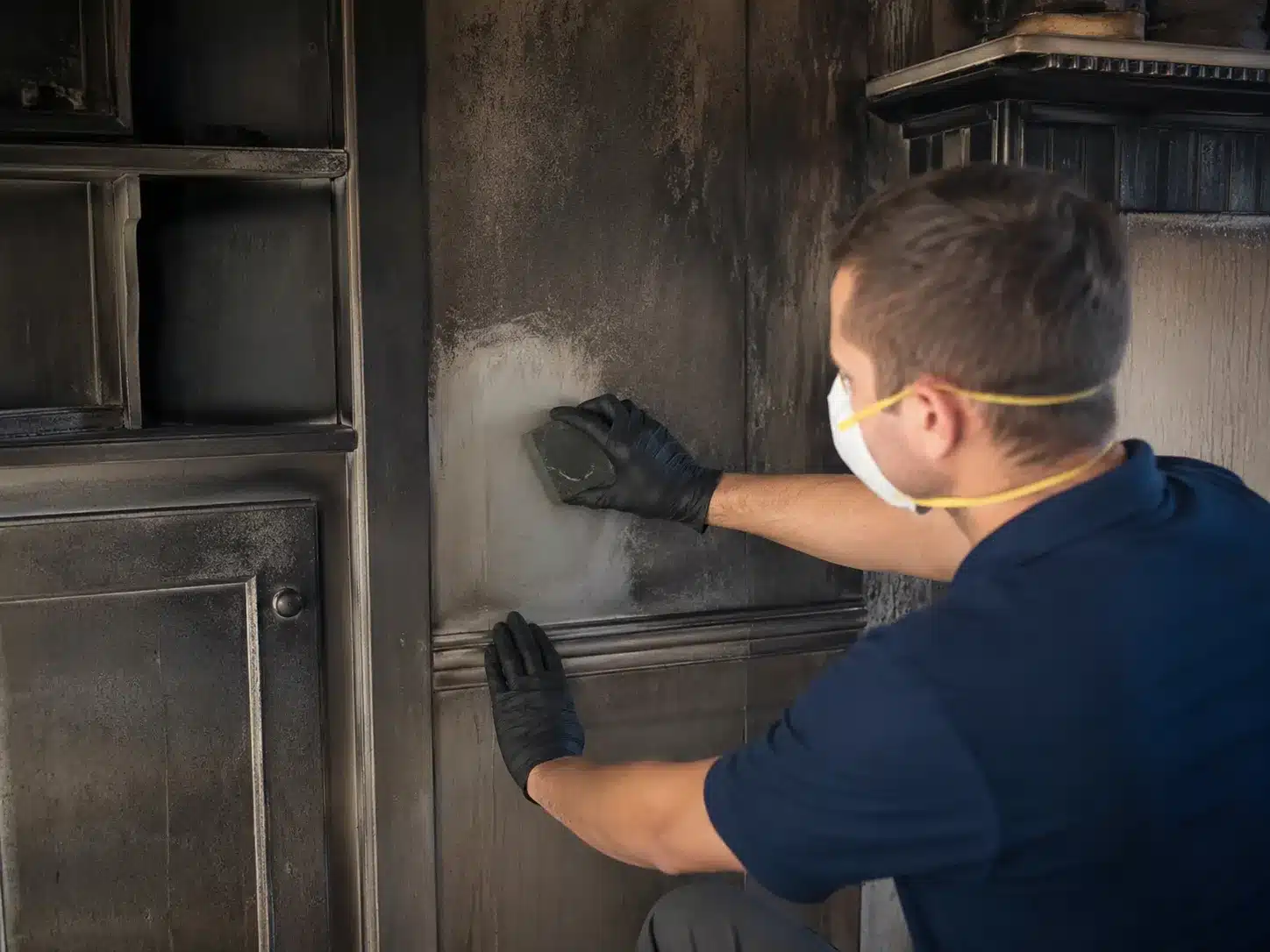
Loose residue may be removed using professional equipment and procedures selected to avoid smearing or forcing particles deeper into the surface.
Depending on the material and residue, this stage may involve HEPA-filtered equipment, specialized dry-cleaning sponges, controlled brushing, or other restoration methods.
6. Surface-Specific Cleaning
Cleaning products and techniques are selected according to the type of soot, surface material, finish, heat exposure, and contamination level.
Painted walls, ceilings, cabinets, glass, tile, metal, masonry, flooring, upholstery, and unfinished wood may each require a different process.
7. Contents Cleaning and Pack-Out
Furniture, clothing, electronics, documents, dishes, artwork, equipment, and personal belongings are inventoried and evaluated.
Some items can be cleaned on-site. Others may need to be packed, transported, cleaned, deodorized, and stored in a controlled location while structural restoration is completed.
8. HVAC and Air-Pathway Evaluation
Registers, filters, return vents, accessible duct surfaces, air handlers, and surrounding materials may require inspection when the HVAC system operated during the fire or when smoke entered the mechanical system.
The appropriate response depends on the system design, residue level, and extent of smoke movement.
9. Smoke Odor Management
Odor treatment begins with cleaning and removing the materials that contain smoke residue. Additional deodorization methods may be selected according to the odor source, material, building use, and project conditions.
Odor treatment should support physical cleaning and source removal rather than replace them.
10. Water Extraction and Structural Drying
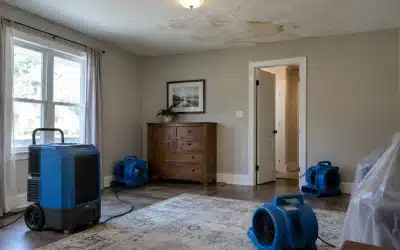
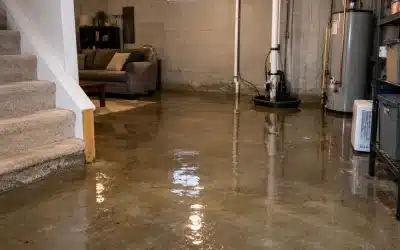
Fire hoses, sprinkler systems, and suppression efforts may leave water inside carpet, flooring, walls, ceilings, insulation, cabinets, and personal belongings.
McMahon Services provides water and sewage damage restoration services when fire recovery includes standing water, saturated materials, or hidden moisture.
11. Post-Cleaning Evaluation
The restored areas are inspected to determine whether cleaning goals have been met and whether additional residue removal, odor treatment, sealing, repair, or material removal is necessary.
12. Repair and Reconstruction
After soot, smoke odor, water damage, and unsalvageable materials have been addressed, permanent repairs can begin.
McMahon Services provides cleanup and rebuilding after major property damage when fire restoration requires drywall, insulation, flooring, cabinets, painting, roofing, or structural reconstruction.
Can Soot-Damaged Materials Be Restored?
Many soot-damaged surfaces and belongings can be restored, but not every item can or should be saved. The decision depends on the material, residue type, heat exposure, water damage, contamination level, condition, value, and cost of restoration.
Materials May Be More Likely to Be Restored When:
- The material remains structurally sound and was not heavily burned
- The soot is primarily on the surface
- The material can tolerate an appropriate professional cleaning method
- Smoke odor can be removed without damaging the item
- The item has financial, functional, historical, or sentimental value
- The material was not heavily affected by contaminated water
Removal or Replacement May Be More Likely When:
- The material is charred, melted, warped, weakened, or structurally damaged
- Residue has penetrated deeply into porous material
- Smoke odor returns after appropriate cleaning
- The surface is permanently stained, corroded, or discolored
- The material was saturated by contaminated firefighting water
- Cleaning would cause additional damage
- Replacement is safer or more practical than restoration
Food, beverages, medication, cosmetics, and other consumable products exposed to heat, smoke, soot, or firefighting chemicals should not automatically be kept. Follow guidance from public health authorities, insurance representatives, and qualified restoration professionals.
How Long Does Soot and Fire Damage Restoration Take?
There is no single timeline for every fire loss. A small contained incident may require limited surface cleaning and deodorization. A larger property fire may involve emergency securing, debris removal, contents pack-out, soot cleaning, water extraction, structural drying, odor management, inspections, and reconstruction.
| Timeline Factor | Why It Matters |
|---|---|
| Size and location of the fire | A fire affecting several rooms, floors, or building systems requires a broader restoration plan. |
| Materials that burned | Wood, plastic, food, oil, upholstery, rubber, and mixed contents leave different residues. |
| Smoke travel | Residue in distant rooms, closets, attics, and HVAC pathways expands the affected area. |
| Amount of contents | Furniture, clothing, equipment, documents, and personal property may need inventory and cleaning. |
| Firefighting water | Wet drywall, flooring, insulation, cabinets, and contents require extraction and drying. |
| Material removal | Charred, contaminated, or unsalvageable materials must be removed before repairs. |
| Repair scope | Drywall, insulation, flooring, roofing, electrical work, cabinets, and structural repairs add stages. |
A reliable timeline should be based on the property assessment, cleaning results, drying progress, reconstruction requirements, inspections, and availability of replacement materials.
What Should You Document for an Insurance Claim?
Coverage and claim procedures vary by insurance policy. When the property is safe to enter, document the condition before major cleanup or disposal begins.
Useful documentation may include:
- Wide photographs and video of each affected room
- Close-up images of soot, smoke staining, ash, and burned materials
- Walls, ceilings, flooring, cabinets, doors, windows, and trim
- Furniture, appliances, electronics, clothing, and personal belongings
- Visible residue around vents, filters, and mechanical equipment
- Firefighting water, wet materials, and water staining
- A contents inventory with descriptions, quantities, and identifying details
- Temporary housing, emergency repair, storage, mitigation, and cleaning receipts
- Professional inspection reports, estimates, photographs, and work records
Do not discard damaged property before it is photographed and inventoried unless it presents an immediate safety, contamination, or health concern.
Why Soot Cleanup Matters in Northern Illinois and Southern Wisconsin
Homes and businesses in Hainesville, Lake County, Northern Illinois, Southern Wisconsin, and surrounding communities may experience soot damage from cooking fires, electrical fires, furnace malfunctions, fireplace incidents, chimney fires, appliance failures, garage fires, and larger structure fires.
During colder months, buildings remain closed for longer periods and heating equipment is used more frequently. Smoke and soot can circulate through enclosed rooms, vents, stairways, and mechanical pathways before the fire is controlled.
Winter conditions may also complicate recovery when damaged roofs, broken windows, frozen plumbing, and firefighting water expose the property to additional moisture and weather damage.
A prompt fire damage inspection can help determine:
- How far soot and smoke traveled
- Which surfaces and contents may be restored
- Whether the HVAC system was affected
- Whether firefighting water requires extraction and drying
- Which burned or contaminated materials require removal
- What repairs are needed before safe reoccupation
Professional Tip: Do not repaint a soot-stained wall until the residue has been properly evaluated and cleaned. Paint may temporarily cover discoloration while trapping odor or allowing stains to bleed through the new finish.
Get Professional Soot and Fire Damage Help
When soot covers walls, ceilings, cabinets, flooring, furniture, HVAC pathways, or personal belongings, improper cleaning can spread the residue and create additional staining.
McMahon Services & Construction Corp provides professional fire and smoke damage restoration services for residential and commercial properties affected by soot, smoke odor, burned debris, damaged contents, firefighting water, and structural damage.
The restoration process may include damage inspection, property securing, debris removal, soot and smoke cleaning, contents handling, water extraction, structural drying, odor management, repair planning, and reconstruction.
Call McMahon Services at (847) 566-4568 for 24/7 fire, smoke, and soot damage assistance in Northern Illinois, Southern Wisconsin, and surrounding service areas.
Frequently Asked Questions About Soot Damage Cleanup
Can I wipe soot off walls with a wet cloth?
It is generally best not to begin by wiping heavy soot with a wet household cloth. Some soot can smear, streak, or penetrate farther into paint and drywall when moisture or aggressive rubbing is used. The residue and wall finish should be evaluated before choosing a cleaning method.
Is soot the same as ordinary household dust?
No. Soot is combustion residue that may contain carbon, oils, acids, metals, chemicals, and particles from burned materials. Its composition and cleaning requirements can be very different from ordinary household dust.
Can soot damage become permanent?
Yes. Extended exposure can contribute to staining, corrosion, discoloration, odor absorption, and deterioration of surface finishes. Prompt assessment and cleaning may improve the likelihood of restoring affected materials.
Can I paint over soot stains?
Painting over untreated soot is not recommended. Residue may interfere with paint adhesion, allow stains to bleed through, and trap smoke odor. The surface should be cleaned, evaluated, dried, and properly prepared before sealing or repainting.
Does a small fire require professional soot cleanup?
Not every small incident requires extensive restoration. However, professional inspection is appropriate when soot affects multiple rooms or surfaces, produces a strong odor, reaches porous materials, enters HVAC pathways, or involves burned plastics, electronics, contaminated water, or uncertain residue.
Can soot damage electronics?
Yes. Fine residue can enter electronic equipment and contribute to contamination, corrosion, overheating, and component failure. Do not turn on a smoke or soot-affected electronic device until it has been professionally evaluated.
Why does smoke odor return after the walls are cleaned?
Odor may remain in carpet, upholstery, cabinets, unfinished wood, insulation, wall cavities, HVAC pathways, and other porous materials. Cleaning visible wall surfaces alone may not remove every source of smoke residue.
How do professionals choose a soot cleaning method?
Professionals evaluate what burned, the residue type, affected materials, surface finishes, heat exposure, water damage, contamination, and odor conditions. Test cleaning may be completed before a process is applied to a larger area.




0 Comments