How to Spot Hidden Water Damage Behind Walls
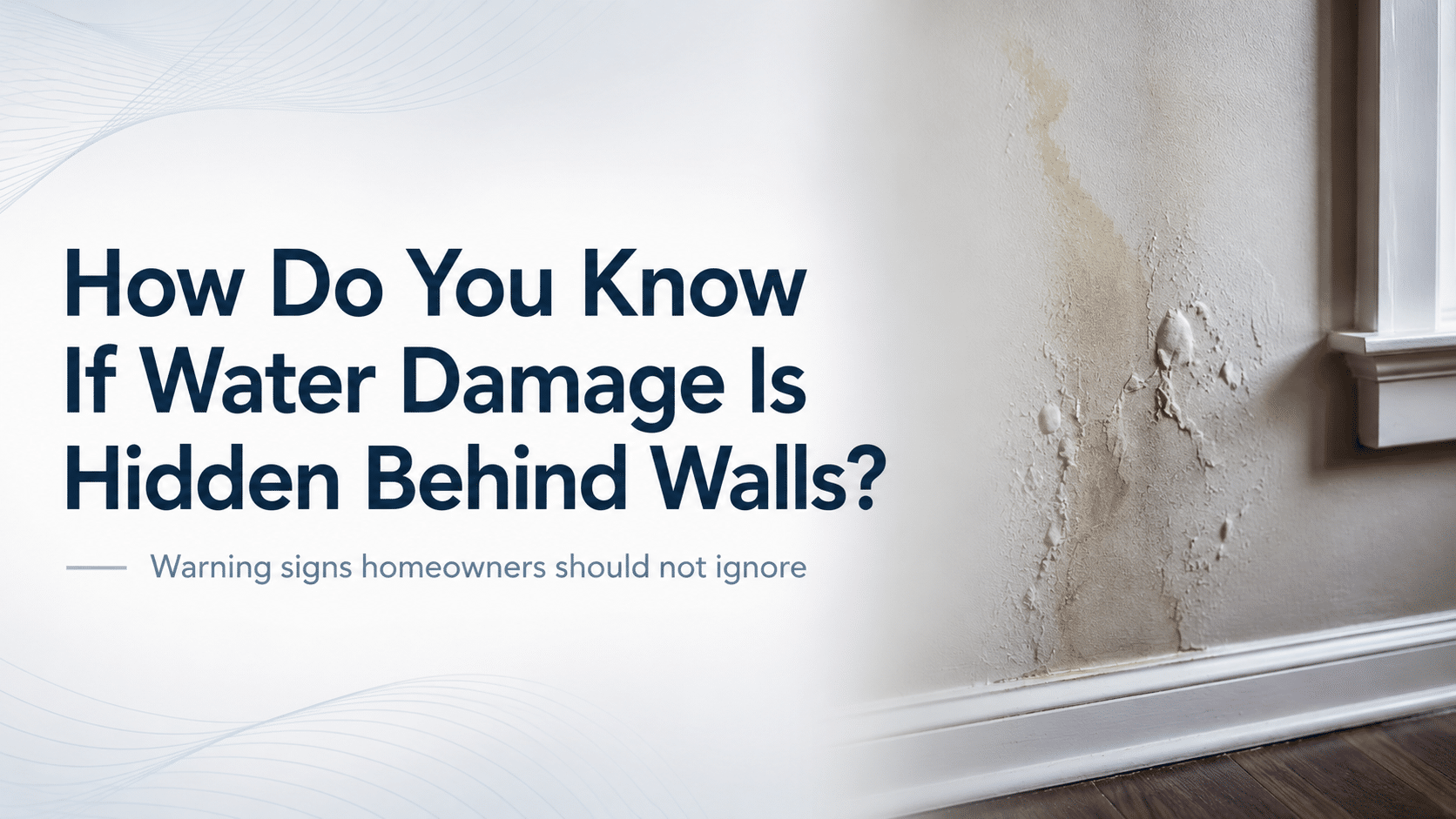
Hidden water damage behind walls is often noticed through stains, musty odors, soft drywall, peeling paint, warped trim, or unexplained moisture near baseboards. The difficult part is that the wall surface can look mostly normal while moisture is trapped inside the cavity, insulation, framing, or drywall backing.
For homeowners, landlords, property managers, and business owners, hidden moisture should not be ignored. A small pipe leak, roof leak, storm-related opening, appliance overflow, or previous flood cleanup issue can leave water where it is difficult to see. If the affected area is not dried correctly, it may lead to drywall damage, odor problems, material deterioration, or mold concerns.
McMahon Services & Construction Corp helps property owners in Hainesville, Lake County, Northern Illinois, and Southern Wisconsin understand the next step when water damage is suspected. This guide explains the common warning signs, what to check safely, and when professional restoration help may be needed.
Key Takeaway
You may have hidden water damage behind walls if a wall smells musty, feels soft, shows yellow or brown staining, has bubbling paint, or stays damp near the baseboard. The safest next step is to identify the moisture source, avoid covering the problem with paint or cosmetic repairs, and have the affected area inspected before damage spreads.
Signs of Hidden Water Damage Behind Walls
The most common warning signs are usually visual, physical, or odor-related. Some are easy to miss because they develop slowly over time. Property owners should pay attention to changes in walls, trim, flooring, and indoor air after plumbing leaks, roof leaks, storms, appliance failures, or basement water events.
Common Warning Signs to Look For
- Musty odor: A damp smell near one wall, closet, basement, bathroom, laundry area, or utility room can point to trapped moisture.
- Paint bubbling or peeling: Moisture can push through painted surfaces and cause blisters, flaking, or loose paint.
- Yellow, brown, or dark stains: Discoloration may appear after water travels through drywall, ceiling areas, or framing.
- Soft drywall: A wall that feels spongy, swollen, or weak may have absorbed moisture.
- Warped baseboards or trim: Wood and composite trim can swell or separate when moisture sits behind or below it.
- Recurring surface mold: If spots keep returning after cleaning, the moisture source may still be active.
- Unexplained floor changes: Buckling, cupping, or gaps near the wall may suggest water movement behind the surface.
Quick Answer
Hidden wall water damage usually shows up as odor, stains, bubbling paint, soft drywall, warped trim, or moisture near flooring. If more than one of these signs appears, the wall should be checked before cosmetic repairs are made.
What Usually Causes Water Inside Wall Cavities?
Water can enter a wall cavity from several directions. In Northern Illinois and Southern Wisconsin properties, seasonal storms, freezing conditions, roof wear, plumbing issues, and basement moisture can all contribute to hidden damage.
Common causes include leaking supply lines, drain line failures, roof leaks, ice-related damage, exterior siding gaps, window leaks, appliance overflows, sump pump failures, and water that was not fully dried after a previous cleanup. In commercial buildings and multi-unit properties, water may also travel from another room, unit, or floor before signs appear.
When hidden water damage behind walls is suspected, the goal is not only to dry the surface. The source needs to be found, affected materials need to be evaluated, and moisture inside the wall assembly needs to be addressed. McMahon Services provides water and sewage damage restoration services for properties dealing with water intrusion, flood damage, sewage damage, and related restoration needs.
Can Hidden Moisture Lead to Mold?
Yes, hidden moisture can create conditions where mold may develop, especially when drywall, paper backing, wood, insulation, or other porous materials stay damp. The EPA explains that controlling moisture is an important part of controlling mold growth, and its EPA guidance on mold and moisture is a useful homeowner resource.
A musty smell does not always prove there is mold inside the wall, but it is a warning sign that should be taken seriously. If the moisture source continues, surface cleaning alone may not solve the issue. The CDC also provides CDC mold cleanup guidance for safe cleanup practices and cautions around cleaning products.
If mold is visible, spreading, or connected to a larger water event, professional evaluation may be needed. McMahon Services also offers mold remediation services for properties where moisture damage and mold concerns overlap.
Moisture and Mold Warning
Hidden moisture behind walls can lead to mold when damp materials are not dried or removed properly. Musty odor, recurring spots, and damp drywall are signs that the moisture source should be investigated before repainting or patching the wall.
What Should You Do First If You Suspect Water Behind a Wall?
Start by looking for the source. Check nearby plumbing fixtures, bathrooms, laundry rooms, kitchen lines, exterior walls, roof areas, windows, basement walls, and mechanical spaces. If the area is near electrical outlets, active leaking, sewage, or contaminated water, avoid touching the area and call for professional help.
Safe First Steps
- Document the visible signs with photos or video.
- Stop the water source if it is safe to do so.
- Avoid painting over stains or sealing the wall before it is checked.
- Do not cut into walls if electrical, sewage, or structural risks may be present.
- Keep furniture, boxes, and stored items away from the damp area.
- Contact a restoration professional if the area is spreading, smells musty, or feels soft.
For general questions about the restoration process, property owners can also review McMahon’s water damage restoration FAQ.
When Should You Call a Restoration Company?
You should call a restoration company when the wall is soft, the odor is strong, the leak source is unknown, moisture has reached flooring or insulation, or the damage may involve sewage, storm water, or multiple rooms. Professional drying and restoration work often involves moisture detection, containment decisions, material evaluation, controlled drying, and repair planning.
The IICRC S500 water damage restoration standard describes procedures and precautions used in professional water damage restoration. This matters because hidden damage is not always solved by fans or surface drying. Some materials may need further evaluation depending on the water source, moisture level, and length of exposure.
McMahon Services & Construction Corp is based at 44 W Belvidere Rd, Hainesville, IL 60030, and serves property owners throughout the surrounding region. The company is open 24 hours for emergency restoration needs and can be contacted at 847-566-4568.
Quick Decision Guide
Call a restoration company if the wall feels soft, the stain keeps growing, the room smells musty, water reached insulation or flooring, or the source of moisture is unclear. Waiting can make repairs more complicated.
Frequently Asked Questions About Hidden Wall Water Damage
Can a wall look dry but still have water damage inside?
Yes. A wall surface may look dry while moisture remains inside the drywall, insulation, framing, or baseboard area. This is why odor, softness, stains, and recurring paint problems should not be ignored.
What does hidden water damage smell like?
Many property owners describe it as musty, stale, earthy, or damp. The odor may be stronger in closets, basements, bathrooms, laundry rooms, or rooms with poor airflow.
Should I repaint over a water stain?
No. Repainting may hide the stain temporarily, but it does not solve the moisture problem. The source should be identified and the affected area should be checked before cosmetic repairs are made.
Can hidden water damage behind walls cause mold?
It can create conditions where mold may grow if materials remain damp. Moisture control, drying, and proper cleanup are important steps when water damage is suspected.
Who should I call for hidden water damage in Hainesville or Lake County?
Property owners in Hainesville, Lake County, Northern Illinois, and nearby areas can contact McMahon Services & Construction Corp for water damage restoration guidance and emergency response support.
Conclusion
Hidden water damage behind walls is easy to overlook, but the warning signs are often there. Musty odors, soft drywall, stains, bubbling paint, warped trim, and recurring dampness can all point to a deeper moisture issue. The best approach is to find the source, avoid covering the problem, and act before damage spreads.
If you suspect hidden moisture in your home, rental property, commercial space, or managed building, McMahon Services & Construction Corp can help evaluate the situation and guide the next step. For 24-hour restoration support, call 847-566-4568 or visit McMahon Services & Construction Corp.




0 Comments