How Long Does Water Damage Take to Dry Out?
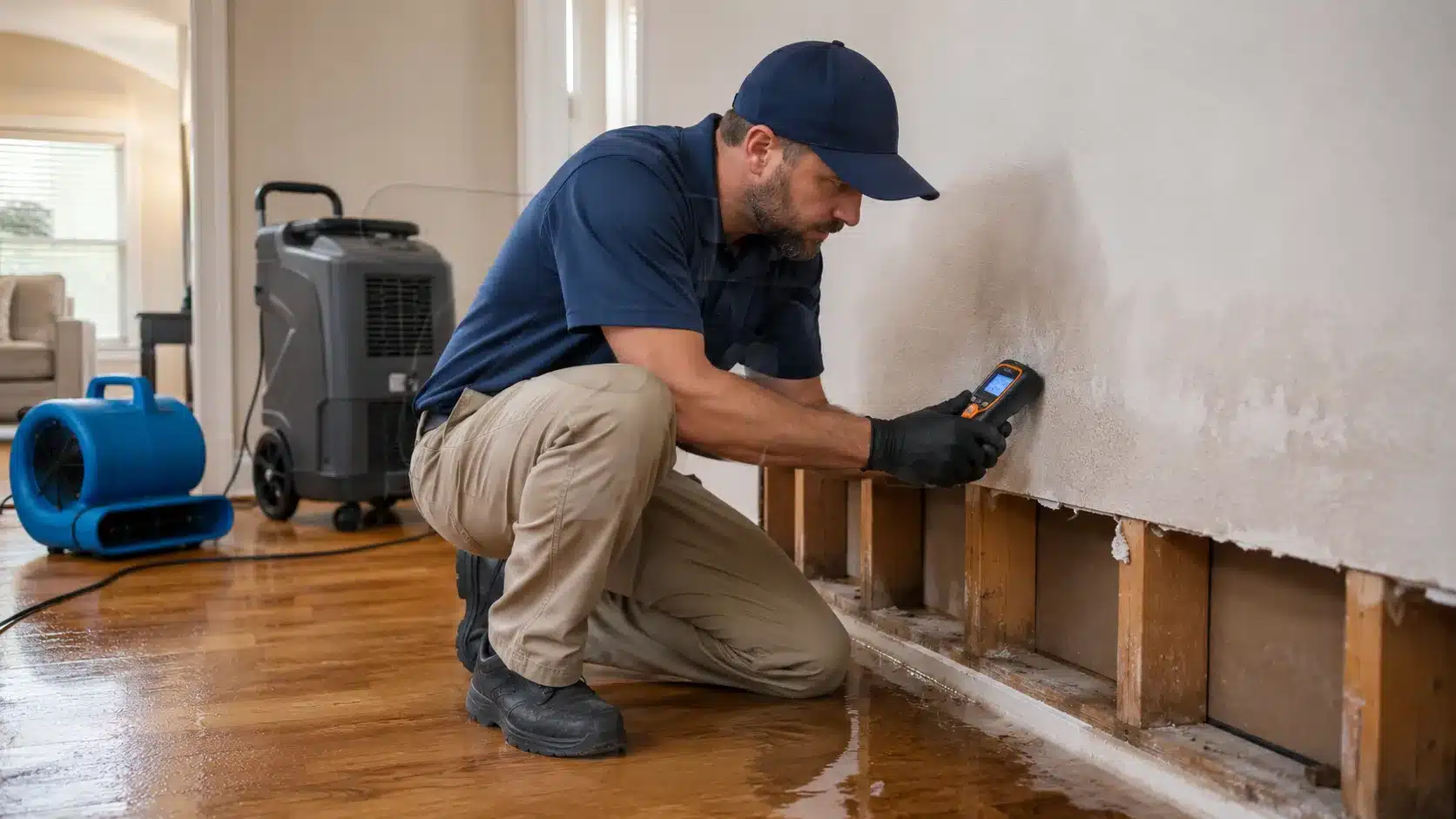
How long does water damage take to dry out? In many situations, properly drying a water-damaged area takes several days. The actual timeline depends on how much water entered the property, how long it remained, which materials became wet, indoor humidity, airflow, and whether professional extraction and drying equipment are used.
A floor, wall, or carpet may appear dry within the first day while moisture remains beneath flooring, behind drywall, inside carpet padding, or within insulation and framing. This is why appearance alone cannot confirm that a water-damaged property is ready for repairs.
McMahon Services & Construction Corp helps homeowners, landlords, property managers, and business owners in Hainesville, Lake County, Northern Illinois, and Southern Wisconsin with water extraction, structural drying, restoration, and repair planning after leaks, floods, sewage backups, and storm-related water damage.
Key Takeaway
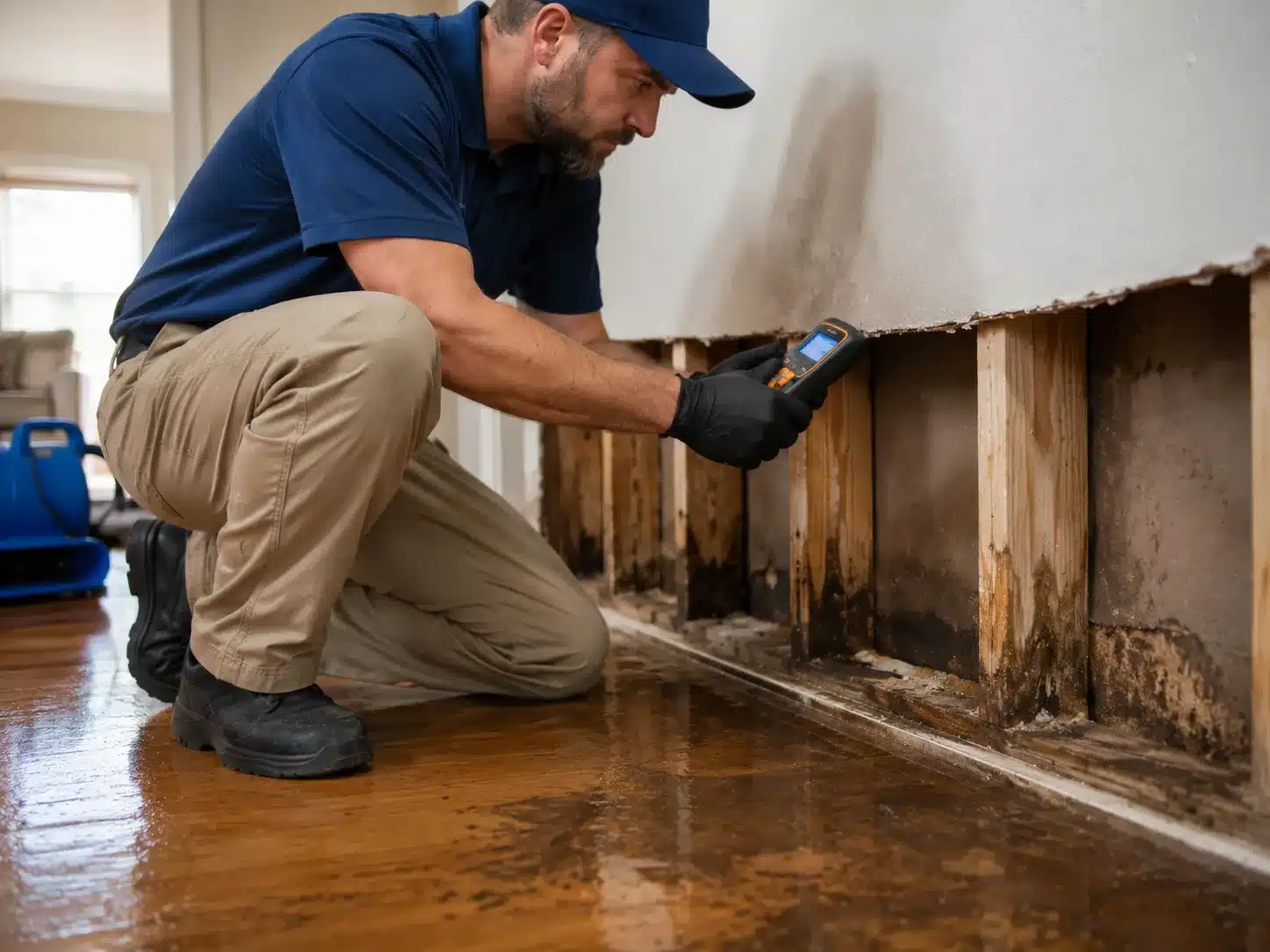
Water damage often requires several days of controlled drying. Minor surface water may dry faster, while saturated carpet padding, drywall, insulation, subflooring, wood, or wall cavities can take longer. Repairs should not begin until moisture readings confirm that affected materials are dry.
How Long Does Water Damage Usually Take to Dry?
Quick Answer
Water damage commonly takes several days to dry properly, but severe or hidden moisture can take longer. Drying time depends on the amount of water, affected materials, humidity, airflow, water source, and whether extraction, dehumidification, and moisture monitoring are used.
A quick mop-up or a few household fans may remove visible water without drying the materials below it. Carpet fibers may feel dry while the padding remains saturated. A wall may look normal while insulation or framing inside the cavity is still damp.
Proper drying generally includes water extraction, moisture inspection, air movement, dehumidification, material evaluation, and repeated moisture readings. McMahon Services provides water and sewage damage restoration services for properties where visible water and hidden moisture require professional attention.
What Determines How Long Water Damage Takes to Dry?
There is no single timeline that applies to every property. A small appliance leak discovered immediately is different from a basement flood, sewage backup, roof leak, or storm event that affects multiple rooms and building materials.
Factors That Affect Water Damage Drying Time
- Amount of water: A small spill generally dries faster than standing water or widespread flooding.
- Length of exposure: Water that remains for several hours or days can penetrate more deeply into materials.
- Materials affected: Tile and sealed concrete behave differently from drywall, carpet padding, insulation, wood, and subflooring.
- Water source: Clean supply water may require a different response from sewage, storm runoff, or water from an unknown source.
- Indoor humidity: High humidity slows evaporation and may keep materials damp longer.
- Temperature and airflow: Controlled airflow and environmental conditions affect how quickly moisture leaves wet materials.
- Hidden moisture: Water behind cabinets, beneath flooring, or inside wall cavities can extend the drying process.
- Equipment used: Extraction equipment, air movers, dehumidifiers, and moisture meters support more controlled drying.
- Material removal: Saturated or contaminated materials may need removal before the remaining structure can dry properly.
Water can travel beyond the area where it first appears. It may move beneath trim, through flooring seams, behind cabinets, along framing, or into adjacent rooms. A professional inspection helps identify how far the moisture spread before the drying plan is established.
Why Surface Dry Does Not Always Mean Fully Dry
One of the most common mistakes after water damage is assuming the property is dry because the visible surface no longer feels wet. Moisture can remain concealed inside layered or porous building materials.
Drywall may feel normal on the room-facing side while its paper backing, insulation, or wood framing remains damp. Carpet may feel dry while water stays trapped in the padding or subfloor. Hardwood flooring may look stable before cupping, swelling, or separation begins.
Problems Caused by Hidden Moisture
- Musty or stale odors
- Mold-related concerns
- Warped or buckled flooring
- Soft, swollen, or deteriorated drywall
- Recurring wall and ceiling stains
- Damaged baseboards, trim, and cabinets
- Wet or deteriorated insulation
- Paint bubbling or peeling
- Repair materials installed over damp surfaces
Drying decisions should be based on moisture readings and material conditions rather than appearance alone. A restoration professional can compare affected areas with known dry materials and monitor progress before repairs begin.
Typical Water Damage Drying Timeline
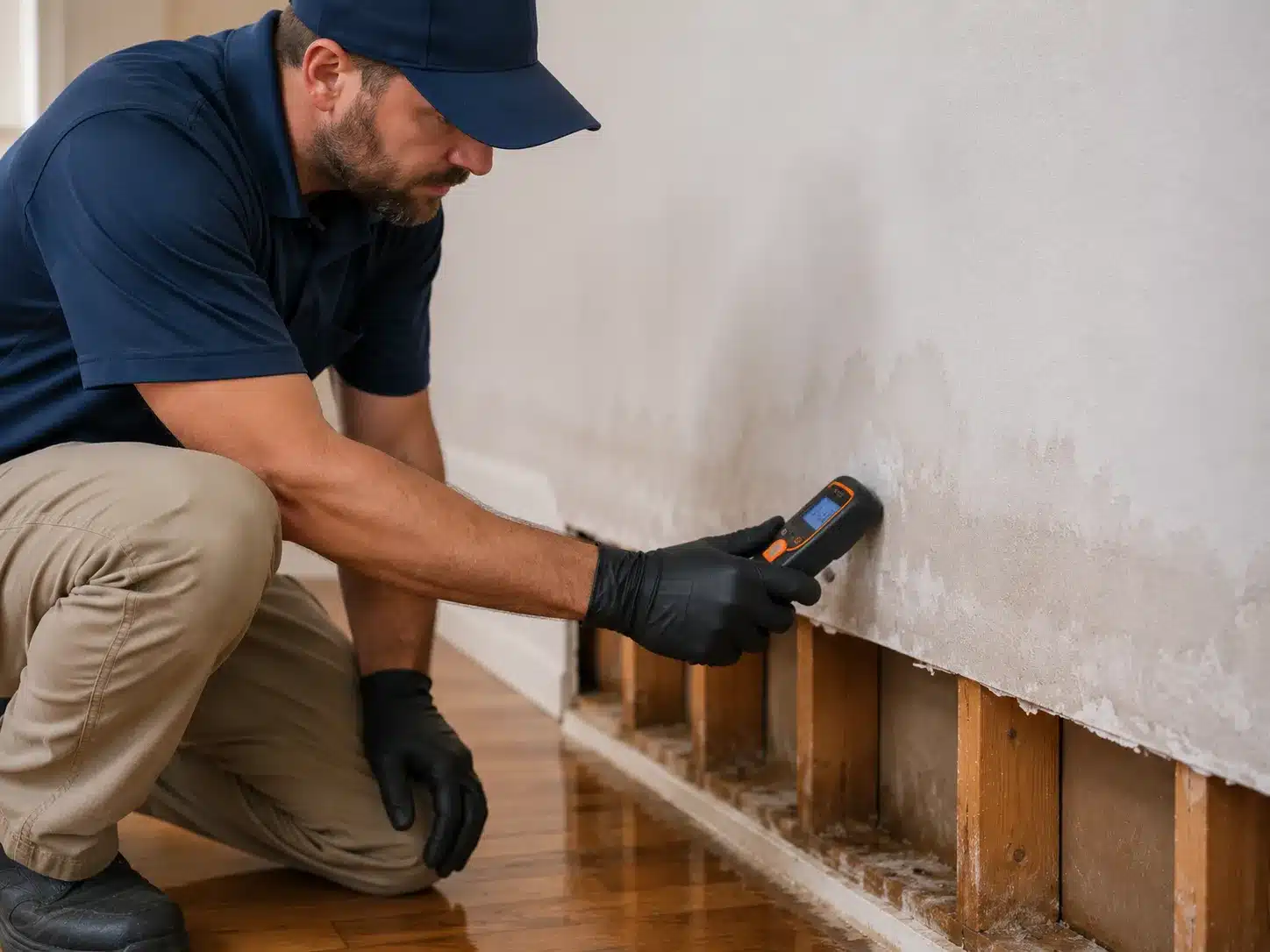
Most water damage projects require several days of drying and monitoring. The severity of the damage and the types of materials involved determine whether the process is relatively straightforward or requires demolition, contamination controls, and reconstruction.
| Damage Level | Typical Conditions | What May Be Required |
|---|---|---|
| Minor | Small clean-water event limited to hard surfaces and handled immediately | Surface extraction, airflow, moisture checks, and limited drying |
| Moderate | Wet carpet, padding, baseboards, drywall, cabinets, or more than one room | Extraction, air movement, dehumidification, drying access, and repeated monitoring |
| Severe | Flooding, sewage, storm intrusion, saturated insulation, structural materials, or multiple levels | Material removal, contamination controls, structural drying, restoration, and possible reconstruction |
Minor Water Damage
Minor damage may involve a small clean-water leak or overflow that is discovered quickly and remains on tile, sealed concrete, or another nonporous surface. Drying may be faster when water has not reached flooring seams, cabinets, baseboards, or wall materials.
Even in a minor incident, nearby edges and concealed areas should be checked. Water may move beneath a cabinet toe kick, under trim, or through a gap in flooring before it becomes visible.
Moderate Water Damage
Moderate damage often involves wet carpet, padding, drywall, trim, cabinets, or moisture that has spread into adjacent areas. These materials require controlled airflow and dehumidification rather than simple surface drying.
The drying process may involve lifting carpet, removing padding or baseboards, creating access to a wet wall cavity, and monitoring moisture levels over several visits.
Severe Water Damage
Severe damage may involve basement flooding, sewage backup, storm water, roof failure, or moisture that has reached structural materials. Some saturated or contaminated materials may need removal before effective drying can continue.
This level of damage may include wet insulation, saturated drywall, water beneath flooring, damaged framing, multiple rooms, or more than one building level. Cleanup, drying, restoration, and reconstruction may all be part of the recovery process.
Why Fast Action Matters After Water Damage
The sooner water is addressed, the better the opportunity to limit moisture migration and secondary material damage. Porous materials such as drywall, carpet, wood, insulation, and subflooring can absorb water quickly.
A Prompt Response Can Help:
- Remove standing water before it spreads farther
- Reduce the amount of moisture absorbed by porous materials
- Protect furniture, equipment, documents, and other contents
- Limit odors and prolonged indoor humidity
- Reduce the risk of mold-related problems
- Identify damaged materials before repairs begin
- Improve the overall restoration and reconstruction timeline
Property managers and commercial building owners can also review McMahon Services’ emergency response planning service for help preparing for urgent water, fire, storm, and property restoration events.
How Professionals Dry Water-Damaged Areas
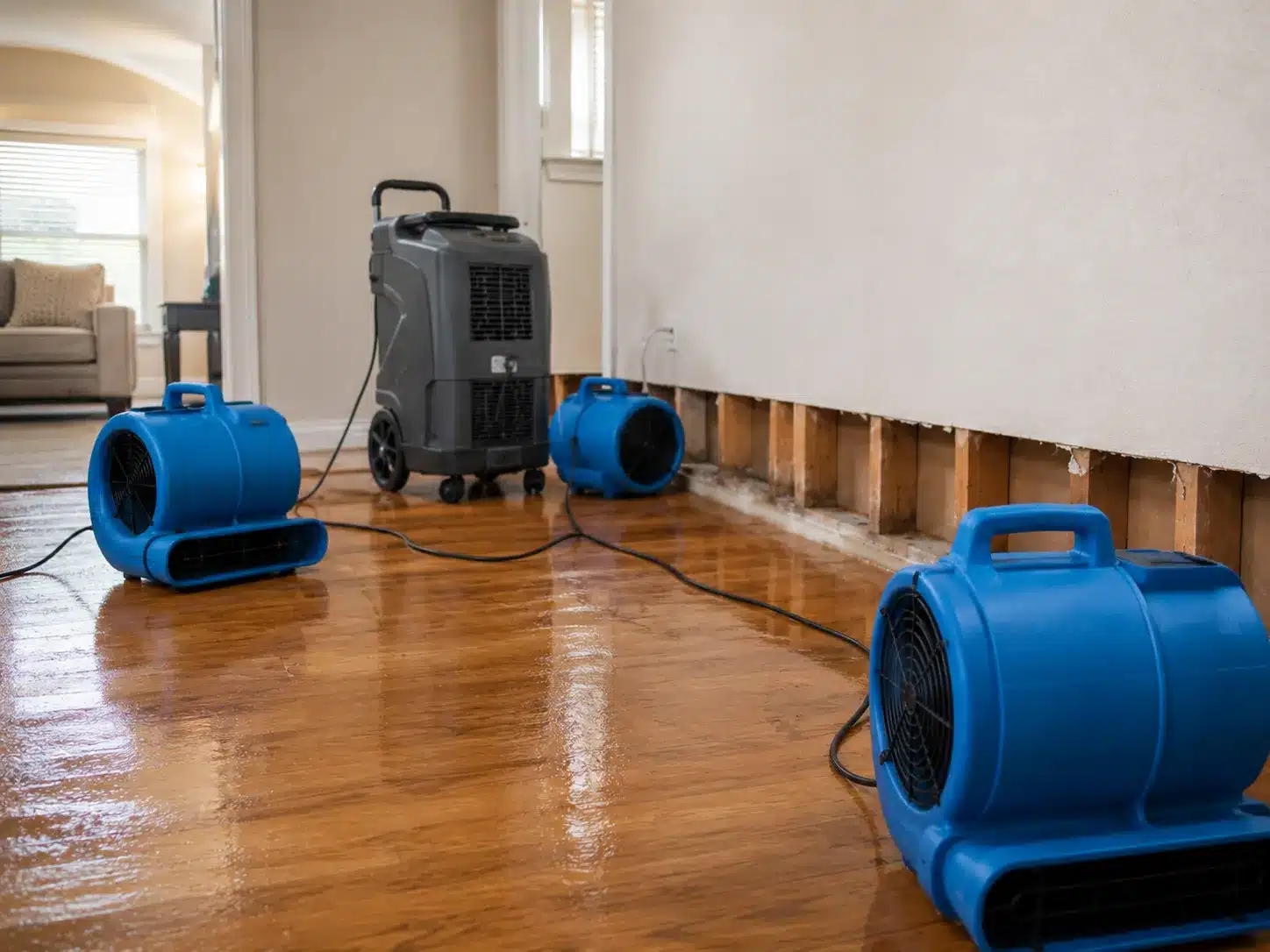
Professional water damage drying is a controlled process. It involves removing excess water, identifying affected materials, managing humidity, creating airflow, and confirming drying progress through moisture readings.
1. Water Extraction
Standing water and moisture in saturated carpet are removed first when conditions allow. Extracting as much water as possible can reduce the amount of time needed for evaporation and dehumidification.
2. Moisture Inspection
Technicians inspect the visible damage and surrounding areas to determine where moisture traveled. This may include walls, ceilings, flooring, cabinets, trim, insulation, adjacent rooms, and concealed cavities.
3. Material Evaluation
Affected materials are evaluated to determine whether they can be dried and retained. Materials that are heavily damaged, contaminated, or unable to dry safely may need removal.
4. Air Movement
Air movers increase airflow across wet materials. Equipment placement is planned to encourage moisture to leave the affected surfaces and enter the surrounding air.
5. Dehumidification
Dehumidifiers remove moisture from the air and help control indoor humidity. Air movement without adequate dehumidification may leave excessive moisture circulating in the affected area.
6. Drying Access
Baseboards, flooring, carpet padding, cabinets, or sections of drywall may need to be removed or opened when they prevent wet materials from drying.
7. Ongoing Moisture Monitoring
Technicians monitor the property during the drying process and adjust equipment when necessary. Drying continues until readings show that affected materials have reached acceptable moisture conditions.
What Can Slow Down Water Damage Drying?
Drying takes longer when moisture reaches concealed spaces, layered flooring systems, absorbent building materials, or areas with limited airflow.
Conditions That Can Extend the Drying Process
- Water remained for several hours or days before extraction
- Carpet padding and subflooring became saturated
- Hardwood, laminate, or engineered flooring absorbed moisture
- Water traveled behind drywall or inside wall cavities
- Insulation became wet
- Cabinets or built-ins trapped moisture against walls and floors
- Indoor humidity remained high
- Airflow was limited
- Wet materials were not opened or removed
- The property already had mold, odor, or previous moisture concerns
Basements, lower-level rooms, enclosed closets, wall cavities, and older buildings can create additional drying challenges. These spaces may retain moisture longer because of cooler temperatures, limited ventilation, and layered construction materials.
Are Household Fans Enough to Dry Water Damage?
Household fans may help with a very small amount of clean surface water, but they are generally not enough for water that has reached carpet padding, walls, insulation, cabinets, or flooring layers.
Standard fans move air but do not remove moisture from the indoor environment the way professional dehumidification equipment does. They also cannot confirm whether concealed materials are dry.
Do Not Rely Only on Household Fans When:
- Water reached carpet or padding
- Drywall, insulation, cabinets, or ceilings became wet
- The water source involved sewage or contamination
- A musty odor is present
- The leak occurred behind a wall or ceiling
- Wood or laminate flooring is beginning to warp
- Water remained for an extended period
- Multiple rooms or floors were affected
Important Safety Note
Do not use fans to circulate air through areas affected by sewage, contaminated water, visible mold, or hazardous debris. Professional containment and cleanup precautions may be necessary.
Water Damage Drying and Mold Prevention
Water damage and mold risk are closely connected because mold requires moisture. Not every water loss automatically creates a mold problem, but prolonged dampness increases the concern, especially in drywall, insulation, wood, carpet padding, and other porous materials.
The U.S. Environmental Protection Agency provides mold and moisture guidance that emphasizes correcting moisture problems as part of mold prevention and cleanup.
Possible Warning Signs After Water Damage
- Musty or earthy odors
- Recurring wall or ceiling stains
- Visible discoloration or growth
- Paint bubbling or peeling
- Damp carpet or baseboards
- Materials that remain cool or wet after surface drying
- Odors returning after the room is closed
When visible mold, recurring odor, or long-term moisture is present, property owners can review McMahon Services’ mold removal and remediation services.
When Should You Call a Water Damage Restoration Company?
Professional help should be considered when the damage extends beyond a small clean-water spill or when there is uncertainty about the source, affected materials, or distance the water traveled.
Call a Restoration Company When:
- Water affected drywall, ceilings, carpet, cabinets, or flooring
- The affected area remains damp after surface cleanup
- There is a musty odor
- The water came from a sewage or drain backup
- The damage came from flooding, storms, or a roof leak
- Insulation or hidden wall cavities may be wet
- Flooring is swelling, cupping, or separating
- Mold is visible or suspected
- The water reached multiple rooms or building levels
- You are unsure whether the property is fully dry
McMahon Services & Construction Corp provides restoration and cleaning services for properties requiring extraction, drying, cleanup, material removal, odor control, mold remediation, and repair planning.
The company is based at 44 W Belvidere Rd, Hainesville, IL 60030, and provides 24-hour emergency restoration support throughout Hainesville, Lake County, Northern Illinois, and Southern Wisconsin. Call 847-566-4568 for assistance.
Proper Drying Protects the Property Long-Term
The goal of water damage drying is not simply to make the room look normal again. The goal is to remove moisture from affected materials so cleaning, restoration, and repairs can be completed without trapping water inside the structure.
Proper Drying Helps Protect:
- Drywall and ceilings
- Flooring and subfloor materials
- Carpet and padding
- Baseboards and trim
- Cabinets and built-ins
- Insulation and wall cavities
- Wood framing
- Contents and stored belongings
- Future repair and reconstruction work
Before installing new drywall, flooring, carpet, trim, or paint, the affected area should be checked to confirm that moisture is under control. Rebuilding over damp materials can contribute to recurring stains, odors, deterioration, and additional repair costs.
Frequently Asked Questions About Water Damage Drying
How long does water damage take to dry out?
Water damage often takes several days to dry properly. The timeline depends on the volume of water, affected materials, duration of exposure, humidity, airflow, and whether professional drying equipment is used.
Can water damage look dry but still be wet underneath?
Yes. Moisture can remain behind walls, beneath flooring, inside carpet padding, or within insulation and wood framing after the visible surface appears dry.
How do restoration companies know when a property is dry?
Restoration professionals use moisture meters, environmental readings, inspections, and ongoing monitoring to determine whether affected materials are drying and when equipment can be removed.
What happens if water damage is not dried properly?
Incomplete drying can lead to musty odors, mold concerns, warped flooring, damaged drywall, recurring stains, deteriorated insulation, and problems with future repair work.
Is a household fan enough to dry water damage?
A household fan may help with minor clean surface moisture, but significant water damage usually requires extraction, dehumidification, controlled airflow, material evaluation, and moisture monitoring.
Should drywall be replaced after water damage?
It depends on the water source, amount of saturation, length of exposure, contamination, and whether the material can be dried safely. Some drywall can be dried, while heavily damaged or contaminated sections may require removal.
Can carpet dry without removing the padding?
It depends on the extent and source of the water. Saturated padding can retain moisture beneath dry carpet fibers and may need to be lifted, dried separately, or removed.
When should I call a water damage restoration company?
Call for professional help when water reaches walls, ceilings, carpet, flooring, insulation, cabinets, or multiple rooms. Assistance is also important for sewage, storm damage, musty odors, visible mold, or uncertainty about hidden moisture.
Get Help Drying Water Damage Properly
Water damage can take several days or longer to dry, depending on the severity of the event and the materials affected. A surface that looks dry may still contain moisture beneath flooring, behind walls, or inside insulation and structural materials.
Do not begin permanent repairs based only on appearance. Proper extraction, air movement, dehumidification, material evaluation, and moisture monitoring help confirm that the area is ready for restoration and reconstruction.
For 24-hour water damage cleanup and structural drying in Hainesville, Lake County, Northern Illinois, and Southern Wisconsin, call McMahon Services & Construction Corp at 847-566-4568 or visit the water and sewage damage restoration service page.




0 Comments