

Basement Flood Cleanup: First Steps After Water Damage
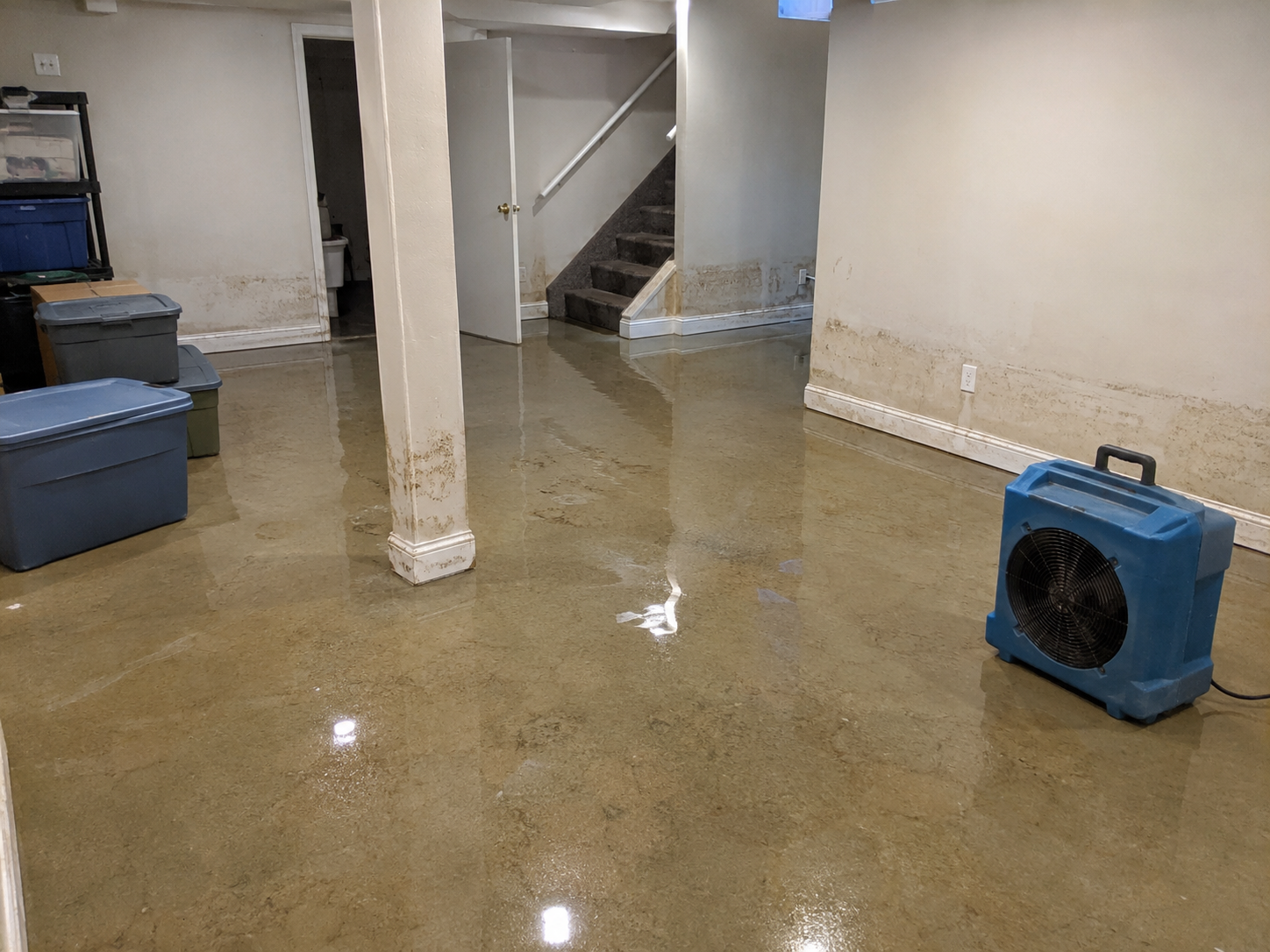
Basement flood cleanup should begin with safety, documentation, stopping the water source when possible, removing standing water, drying affected materials, and checking for hidden moisture. The first actions matter because basement water can quickly reach flooring, drywall, insulation, stored contents, electrical equipment, and structural materials.
After heavy rain, sump pump failure, sewer backup, appliance overflow, a burst pipe, or foundation seepage, many property owners want to begin cleaning immediately. That response is understandable, but a flooded basement can contain electrical hazards, contaminated water, unstable materials, slippery surfaces, and debris hidden beneath the water.
For homeowners, landlords, property managers, and business owners in Hainesville, Lake County, Northern Illinois, and Southern Wisconsin, the safest approach is to pause and evaluate the conditions before entering or moving damaged materials.
Key Takeaway
Do not rush into a flooded basement. First check for electrical hazards, sewage, unstable materials, and other safety concerns. When the area is safe, document the damage, stop the water source if possible, remove standing water, begin drying, and contact a restoration company if water reached walls, flooring, contents, insulation, utility areas, or electrical components.
What Should You Do First After a Basement Flood?
The first step after a basement flood is to determine whether the area is safe to enter. Do not walk into standing water when electrical outlets, extension cords, appliances, service panels, or powered equipment may be affected.
Stay out of the area if the water may contain sewage, storm runoff, fuel, chemicals, sharp debris, or other unknown contaminants. A flooded basement can appear calm while hiding significant hazards below the surface.
Ready.gov flood safety guidance advises property owners to follow official instructions and use appropriate protective clothing during flood cleanup. Instructions from emergency services, utility providers, or local authorities should always take priority.
Do Not Enter the Basement When:
- Standing water may be in contact with electricity
- Sewage or contaminated drain water is present
- The ceiling, walls, stairs, or flooring appear unstable
- Gas, fuel, chemical, or strong unknown odors are present
- The water is deep enough to hide debris or floor hazards
- Emergency officials or utility providers have restricted entry
McMahon Services & Construction Corp provides water and sewage damage restoration services for properties affected by basement flooding, plumbing leaks, sewage backups, sump pump failures, and related water damage.
Quick Answer
Check safety before beginning basement flood cleanup. Do not enter standing water when electricity, sewage, unstable materials, or unknown contamination may be involved. Once the basement is safe to access, document the damage and begin controlling the water source.
Basement Flood Cleanup Steps
The exact cleanup process depends on the source, depth, and extent of the water. However, most basement flooding situations follow the same general recovery sequence.
- Confirm the area is safe: Rule out electrical, sewage, structural, and contamination hazards before entering.
- Document the damage: Take photos and videos before water, debris, or damaged materials are removed.
- Stop the water source: Shut off a leaking supply line, address an appliance problem, or contact the appropriate professional when safe.
- Protect unaffected areas: Move dry contents away from the flood area and prevent people or pets from entering.
- Remove standing water: Extraction may be needed before affected materials can be evaluated or dried.
- Inspect wet materials: Carpet, padding, drywall, insulation, cabinets, flooring, and stored belongings may require drying or removal.
- Begin structural drying: Drying equipment and moisture monitoring may be needed to address water beneath visible surfaces.
- Clean and address contamination: The cleaning approach depends on whether the water came from a clean supply line, storm intrusion, sewage, or an unknown source.
- Plan repairs: Drywall, flooring, insulation, trim, cabinets, or other materials may need replacement after drying is complete.
Removing the visible water is only one part of basement flood cleanup. Moisture can remain beneath flooring, inside wall cavities, behind baseboards, and within porous materials after the surface appears dry.
Why Should You Document Basement Flood Damage?
Documentation creates a record of the basement before cleanup changes the scene. Begin with wide photos from several angles, then take closer images of water lines, flooring, drywall, appliances, contents, utility areas, and the suspected source of the flood.
A slow video walkthrough can also help. State the date, approximate time, affected rooms, water depth, visible damage, odors, and any immediate actions already taken.
What to Document Before Cleanup
- Approximate standing water depth and the areas affected
- Wet carpet, padding, flooring, drywall, insulation, and baseboards
- Damaged furniture, equipment, boxes, documents, and stored contents
- Water heaters, furnaces, washers, dryers, sump pumps, and utility spaces
- The possible water source, including pipes, drains, foundation walls, or appliances
- Water lines, stains, discoloration, odors, mud, debris, or sewage residue
- Emergency services, plumbers, restoration companies, or utility providers contacted
Avoid discarding damaged belongings before they are documented whenever it is safe and practical. Materials that present a safety or contamination hazard may need prompt removal, but photos and written records should be created first when possible.
Property managers and commercial building owners can also review McMahon Services’ emergency response planning service for help preparing for future restoration emergencies.
How Do You Identify the Basement Flood Water Source?
The source of the water affects the cleanup plan, safety precautions, and which materials may be retained. Water from a clean supply line is handled differently from sewage, storm runoff, foundation seepage, or water from an unknown source.
Common Causes of Basement Flooding
- Sump pump failure: Water may rise during heavy rainfall, power outages, equipment failure, or an overwhelmed drainage system.
- Foundation seepage: Moisture may enter through foundation cracks, joints, porous masonry, or wall-floor intersections.
- Sewer or drain backup: Backed-up wastewater may contain contamination and requires cautious professional handling.
- Burst or leaking pipe: Water may spread beneath flooring, behind walls, and through nearby utility areas.
- Water heater or appliance failure: Washers, water heaters, utility sinks, and supply lines can release significant amounts of water.
- Storm water intrusion: Heavy rainfall, poor exterior drainage, window-well flooding, or grading problems may allow water inside.
- Groundwater pressure: Saturated soil can force water through foundation openings or drainage systems.
Why the Water Source Matters
Clean supply water, storm water, sewage, and water from an unknown source require different cleanup precautions. When the source is unclear, avoid assuming the water is safe. The area should be evaluated before carpet, flooring, drywall, or contents are cleaned and returned to use.
Why Fast and Thorough Basement Drying Matters
Basements often dry more slowly than upper-level rooms because they may have limited airflow, cooler temperatures, porous foundation materials, and large amounts of stored contents. Water can also spread beneath flooring, behind baseboards, under cabinets, and into finished wall systems.
Visible standing water is only part of the problem. A basement may look dry while moisture remains inside carpet padding, drywall, insulation, subflooring, framing, or wall cavities.
Materials That Commonly Retain Moisture
- Carpet and carpet padding
- Drywall and paper-facing materials
- Wall and ceiling insulation
- Wood framing, trim, and baseboards
- Laminate, engineered flooring, and subfloor materials
- Cabinets, shelving, and built-in storage
- Cardboard boxes, paper documents, and books
- Fabric furniture, rugs, mattresses, and upholstered contents
Fans alone may not be enough when water has reached hidden cavities or absorbent materials. Professional drying may involve water extraction, air movement, dehumidification, moisture readings, material removal, and ongoing monitoring.
Repairs, painting, or new flooring should not begin until affected areas have been properly evaluated and dried. Closing damp materials inside a repaired wall or floor can lead to recurring odor, staining, deterioration, or mold concerns.
Can a Basement Flood Lead to Mold?
Yes. Basement flooding can create conditions where mold may develop when water remains in drywall, carpet, padding, insulation, wood, stored contents, or hidden wall and floor cavities.
The EPA explains that moisture control is central to controlling mold growth. Property owners can review the EPA guide to mold and moisture for additional information.
Possible warning signs include musty odor, dark or discolored spots, damp baseboards, recurring stains, peeling paint, high indoor humidity, or materials that remain cool and damp after surface drying.
These signs do not show the full extent of a mold condition by themselves, but they indicate that moisture may still be present. The water source and affected materials should be addressed before repainting, reinstalling flooring, or closing wall cavities.
If mold is visible or suspected after basement flooding, McMahon Services also provides mold remediation services for properties where water damage and mold concerns overlap.
Mold Warning Signs After Basement Flooding
Musty odor, damp carpet, stained drywall, wet insulation, recurring discoloration, and moisture near baseboards may mean the basement has not dried completely. The affected area should be evaluated before permanent repairs begin.
When Should You Call a Basement Flood Restoration Company?
Professional restoration help is recommended when water covers a large area, reaches drywall or flooring, damages contents, involves sewage, produces strong odors, or remains after initial cleanup. Assistance is also important when the basement contains electrical equipment, wet insulation, saturated carpet padding, or moisture behind finished walls.
Call for Professional Help When:
- Standing water is deep or continues entering the basement
- Sewage, storm runoff, or unknown water is present
- Electrical outlets, panels, appliances, or utility equipment are affected
- Carpet padding, flooring, drywall, or insulation is saturated
- Multiple rooms or building levels are affected
- The basement develops musty odor or visible mold-like growth
- Water is trapped beneath flooring or behind finished walls
- Damaged materials may require demolition and reconstruction
Basement flood restoration may involve extraction, contaminated material removal, structural drying, moisture monitoring, odor control, contents handling, cleaning, documentation, and repair planning.
McMahon Services & Construction Corp is based at 44 W Belvidere Rd, Hainesville, IL 60030, and serves Hainesville, Lake County, Northern Illinois, and Southern Wisconsin. The company is available 24 hours for emergency restoration needs and can be reached at 847-566-4568.
Quick Decision Guide
Call a restoration company after a basement flood when standing water, sewage, wet drywall, saturated carpet padding, damaged contents, strong odors, hidden moisture, or electrical hazards are present. A prompt response can help limit additional material damage and mold-related concerns.
Frequently Asked Questions About Basement Flood Cleanup
Should I enter my basement after it floods?
Only enter when the area is safe. Do not walk into standing water if electricity, sewage, unstable materials, chemicals, or unknown hazards may be present. When uncertain, stay out and contact qualified help.
What should I do first after a basement flood?
Check for safety hazards, document the damage, stop the water source when possible, keep people and pets away, and contact a restoration company if water reached building materials, contents, or utility systems.
Can I dry a flooded basement with household fans?
Household fans may improve airflow in a minor clean-water situation, but they may not dry carpet padding, wall cavities, insulation, subflooring, or other hidden materials. Do not use fans when sewage or contaminated materials may spread particles through the air.
Should wet basement carpet be removed?
It depends on the water source, duration of exposure, condition of the carpet and padding, and whether the materials can be safely dried. Sewage or contaminated flood water may require removal rather than standard carpet cleaning.
Can basement flooding cause mold?
Yes. Basement flooding can create mold risk when wet materials remain damp or indoor humidity stays elevated. Musty odor, recurring stains, damp walls, and visible growth should be evaluated.
How long does basement flood cleanup take?
The timeline depends on the water source, depth, affected materials, size of the basement, contamination concerns, and whether repairs are needed. Water extraction may happen quickly, while structural drying and reconstruction can take longer.
Who should I call for basement flood cleanup in Hainesville or Lake County?
Property owners in Hainesville, Lake County, Northern Illinois, and Southern Wisconsin can contact McMahon Services & Construction Corp for water extraction, sewage cleanup, structural drying, mold remediation, and related property restoration support.
Get Help With Basement Flood Cleanup and Water Damage
Basement flood cleanup should begin with safety, documentation, water-source control, standing-water removal, structural drying, and mold prevention. Although the damage may appear limited at first, moisture can spread beneath floors, behind walls, into insulation, and through stored contents.
Avoid entering standing water until electrical, sewage, contamination, and structural hazards are ruled out. Document the damage before cleanup changes the scene, and seek professional help when water reaches building materials, utility systems, contaminated areas, or multiple rooms.
For 24-hour basement flood cleanup and water damage restoration in Hainesville, Lake County, Northern Illinois, and Southern Wisconsin, call McMahon Services & Construction Corp at 847-566-4568 or visit McMahon Services & Construction Corp.




0 Comments