
Hoarding Cleanup
Can Hoarding Cause Mold, Water Damage, or Structural Problems?
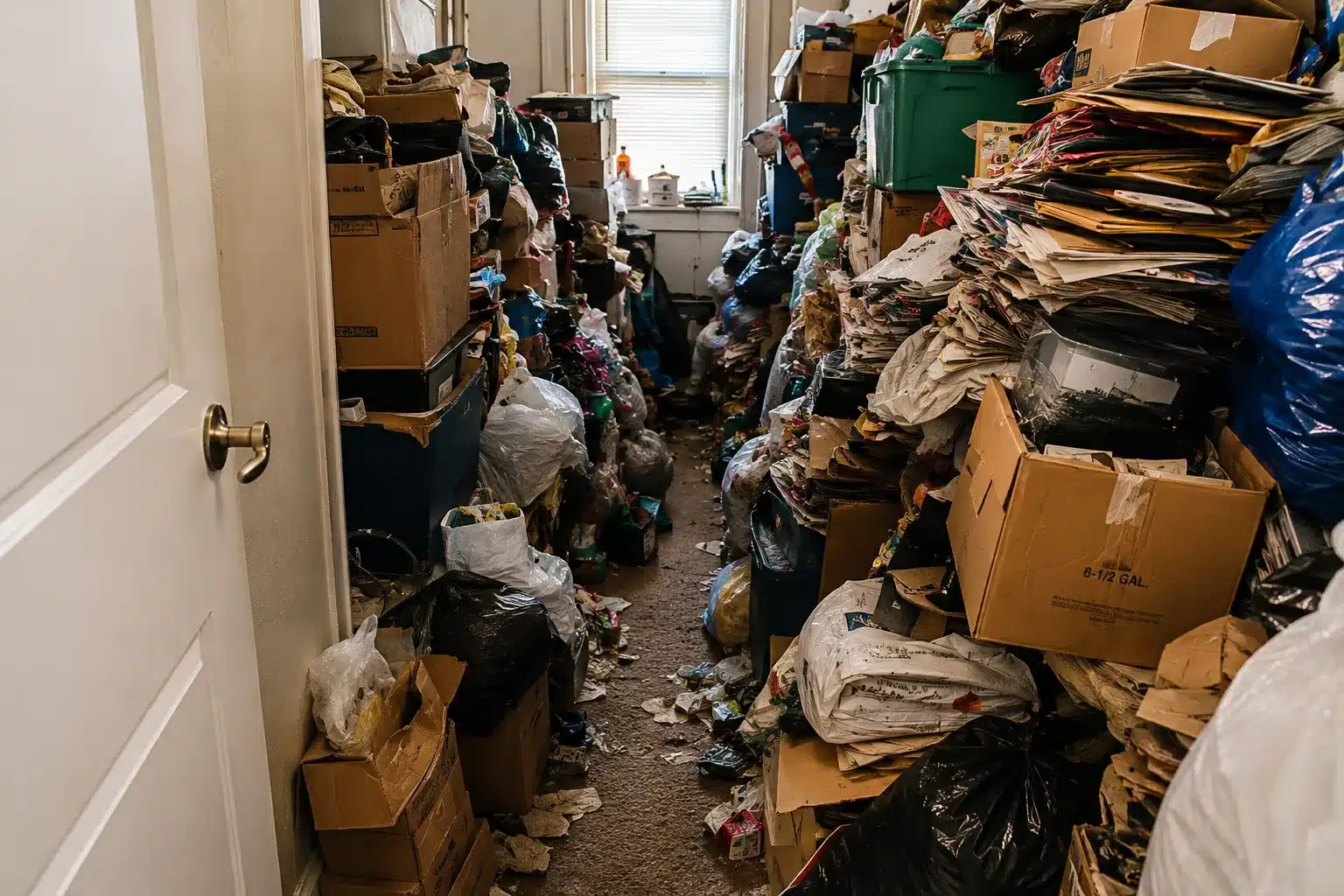
Can hoarding cause property damage? Severe accumulation can contribute to damage by concealing plumbing and roof leaks, restricting airflow, trapping moisture, attracting pests, blocking routine maintenance, and placing additional weight on floors and shelving. The clutter itself may not be the only problem. It can also prevent property owners from noticing mold, wet materials, damaged flooring, deteriorated drywall, and other concerns until they become more serious.
For homeowners, families, landlords, and property managers in Chicago, Lake County, Northern Illinois, and surrounding communities, a hoarded property should be approached as more than a removal project. As belongings are cleared, the floors, walls, ceilings, cabinets, plumbing fixtures, windows, vents, and utility areas should be inspected for hidden damage.
McMahon Services & Construction Corp provides professional hoarding cleanup services for properties affected by excessive accumulation, unsafe access, persistent odors, contamination, and concealed restoration needs.
Key Takeaways
- Hoarding can conceal leaks, mold, pest activity, damaged flooring, and deteriorated walls.
- Clutter can restrict airflow and keep damp materials from drying properly.
- Boxes, furniture, clothing, and stored paper may hide water damage for months or years.
- Heavy accumulation may add stress to floors, shelving, and already weakened building materials.
- Professional cleanup may need to be followed by water restoration, mold remediation, sanitizing, or construction repairs.
- Unsafe floors, sagging ceilings, electrical hazards, waste, and visible mold should not be disturbed without a plan.
Can Hoarding Cause Property Damage?
Quick Answer
Hoarding can contribute to property damage when accumulated belongings conceal leaks, restrict ventilation, trap moisture, attract pests, overload weakened floors, or prevent access to plumbing, electrical, HVAC, and structural areas. Damage may remain hidden until the property is cleared.
Hoarding does not automatically mean that a building has mold or structural failure. However, severe accumulation can create conditions that allow small maintenance problems to continue unnoticed.
A slow plumbing leak may remain hidden behind boxes. Damp carpet may stay covered by clothing or furniture. A roof stain may not be visible because the room cannot be entered. Pest activity may continue inside cabinets, wall edges, and stored paper without being discovered.
Once belongings are removed, the property may reveal mold, water stains, warped floors, damaged drywall, deteriorated cabinets, pest contamination, odors, or materials that require repair.
Hoarding Property Damage Risk Snapshot
Common Hidden Problem
Moisture behind boxes, furniture, stored paper, carpet, cabinets, and inaccessible plumbing areas.
Common Mold Conditions
Poor airflow, damp porous materials, hidden leaks, blocked vents, and moisture trapped between clutter and walls.
Areas to Inspect First
Bathrooms, kitchens, basements, windows, exterior walls, ceilings, flooring edges, baseboards, and utility areas.
Professional Help Trigger
Call for help when cleanup reveals visible mold, wet materials, unstable flooring, waste, pests, electrical hazards, or damaged building components.
How Hoarding Contributes to Property Damage
Severe clutter interferes with normal inspection, cleaning, ventilation, and maintenance. In an accessible home, a property owner may quickly notice a dripping pipe, stained cabinet base, damp carpet, unusual odor, roof stain, or pest activity. In a hoarded property, the same warning signs may be hidden beneath accumulated belongings.
Several conditions can develop at the same time:
- Leaks remain concealed: Plumbing, roof, appliance, and foundation moisture may spread before anyone sees it.
- Airflow becomes restricted: Piles against walls, vents, and windows can prevent damp areas from drying.
- Maintenance access is blocked: Plumbing shutoffs, electrical panels, furnaces, water heaters, and appliances may become inaccessible.
- Porous materials retain moisture: Cardboard, paper, clothing, carpet, furniture, and wood can hold water and odors.
- Pests gain hiding places: Food packaging, paper, fabric, and crowded cabinets may support rodent and insect activity.
- Damage goes unreported: Landlords and property managers may not learn about leaks or unsafe conditions until a major cleanup begins.
Hoarding-related property damage is therefore often discovered in stages. The belongings are removed first, and the true condition of the walls, floors, cabinets, plumbing, ceilings, and other building materials becomes visible afterward.
How Hoarding Can Lead to Mold
Mold requires moisture. Hoarding can create conditions where moisture is difficult to detect, air circulation is limited, and damp materials remain wet for longer periods.
Boxes and furniture pushed against walls can trap moisture. Clothing, rugs, paper, and cardboard can absorb water from leaks, humidity, or wet flooring. Blocked vents and crowded rooms may also reduce air movement around windows, exterior walls, plumbing fixtures, and basement surfaces.
Areas Where Mold May Be Hidden
- Behind boxes, furniture, and stacked belongings
- Under carpet, rugs, and carpet padding
- Beneath kitchen and bathroom cabinets
- Around windows and exterior walls
- Near sinks, toilets, tubs, and plumbing lines
- Inside basements, laundry rooms, and utility spaces
- On damp cardboard, paper, fabric, drywall, and wood
- Below roof or ceiling leaks
Possible warning signs include musty odors, dark spotting, fuzzy or discolored growth, bubbling paint, damp carpet, warped trim, stained drywall, and materials that feel soft or remain cool and damp.
The EPA explains that moisture control is central to mold control and provides additional guidance on mold cleanup in the home.
If visible mold or long-term moisture is discovered, the cleanup may also require mold removal and remediation services.
Do Not Aggressively Disturb Moldy Materials
Moving mold-covered boxes, carpet, drywall, or furnishings can spread dust and contaminated debris. When the affected area is extensive, concealed, or connected to water damage, stop and request professional guidance.
How Hoarding Can Hide Water Damage
Hoarding does not create water by itself, but it can conceal water intrusion long enough for materials to deteriorate. Plumbing leaks, roof leaks, appliance failures, toilet overflows, basement seepage, water-heater problems, and storm damage may remain unnoticed when the affected area is covered or inaccessible.
Stored belongings can also complicate drying. Boxes may sit on wet carpet, furniture may cover swollen baseboards, and piles may prevent access to the wall or flooring where moisture entered.
Signs of Hidden Water Damage During Cleanup
- Yellow, brown, or gray stains on walls and ceilings
- Soft, swollen, or crumbling drywall
- Peeling paint or bubbling wall surfaces
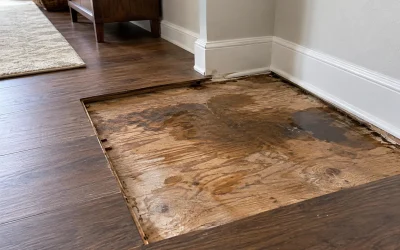
- Warped, buckled, or separated flooring
- Damp or stained carpet and padding
- Swollen cabinets, trim, and baseboards
- Musty odors or recurring dampness
- Water stains around plumbing fixtures and appliances
- Mold growth on stored items or building materials
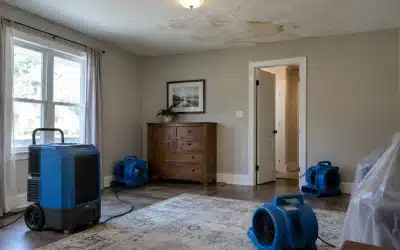
When water damage is discovered, McMahon Services provides water and sewage damage restoration for extraction, drying, contaminated material removal, moisture monitoring, and restoration planning.
Water Near Electricity Requires Immediate Caution
Do not continue moving belongings when water is near outlets, cords, switches, electrical panels, appliances, or powered equipment. Stay out of the affected area until electrical hazards have been addressed.
Can Hoarding Damage Floors or Structural Materials?
Hoarding does not automatically cause structural failure. However, severe accumulation may contribute to flooring and building-material problems when excessive weight, long-term moisture, pests, deterioration, or lack of maintenance are involved.
Heavy collections of books, paper, furniture, appliances, or tightly packed containers can create concentrated loads. The concern may be greater when the floor has already been weakened by age, leaks, rot, previous damage, or pest activity.
Possible Warning Signs
- Sagging, sloping, or unusually flexible floors
- Soft or spongy areas underfoot
- Cracked, buckled, or separating flooring
- Loose tile or damaged subflooring
- Swollen baseboards and rotted cabinet bases
- Cracks or stains developing near overloaded areas
- Sagging or water-stained ceilings
- Walls that feel soft near the floor
- Doors that no longer open or close normally
These signs do not automatically confirm major structural failure, but they should be evaluated before large piles are moved or new finishes are installed.
If cleanup reveals damaged walls, flooring, cabinets, ceilings, framing, or other permanent materials, McMahon Services offers construction and reconstruction services.
Pests, Waste, and Sanitation Concerns
Accumulated paper, fabric, food packaging, and crowded storage areas can provide shelter and food sources for rodents and insects. Pest activity may continue behind stacks, inside cabinets, beneath furniture, and along wall edges without being visible.
Possible Pest and Contamination Signs
- Rodent droppings or nesting material
- Chewed boxes, wiring, fabric, or insulation
- Dead insects or concentrated insect activity
- Animal waste or urine odor
- Spoiled food and leaking containers
- Stains and residue inside cabinets or along floors
- Damaged contents with holes, gnaw marks, or contamination
Waste-contaminated materials should not be handled as ordinary household clutter. Protective equipment, controlled removal, disposal planning, sanitizing, odor control, and pest-control coordination may be required.
People should also avoid picking up needles, broken glass, chemicals, or unidentified containers without proper precautions.
10 Signs Hoarding May Be Causing Hidden Property Damage
- Musty odors remain after windows are opened.
- Visible mold appears behind belongings or near baseboards.
- Walls, ceilings, floors, or cabinets have water stains.
- Drywall feels soft, swollen, or damaged.
- Paint or wall coverings are peeling or bubbling.
- Floors feel spongy, uneven, warped, or unstable.
- Rodent droppings, insects, nesting materials, or chewed items are present.
- Vents, plumbing fixtures, appliances, or utility systems cannot be reached.
- Ceiling stains appear below bathrooms, roofs, or plumbing areas.
- Damaged trim, cabinets, subflooring, or walls become visible as clutter is removed.
Stop Cleanup When Conditions Become Unsafe
Pause the work if removal reveals visible mold, sewage, unstable floors, sagging ceilings, electrical concerns, hazardous materials, or significant pest contamination. Hidden damage may require specialized cleanup and restoration procedures.
Why Hoarding Cleanup Should Include a Property Inspection
A basic cleanout may end when unwanted items leave the property. Professional hoarding cleanup should also consider what the accumulation was covering.
As each room is cleared, the newly exposed areas should be checked for:
- Plumbing and appliance leaks
- Roof and ceiling water stains
- Wet carpet, padding, and subflooring
- Mold and musty odors
- Rodent or insect contamination
- Damaged electrical cords and outlets
- Deteriorated cabinets and drywall
- Damaged vents and blocked HVAC returns
- Unsafe floors, stairs, and structural materials
Documenting these conditions helps families, landlords, and property managers understand which problems existed beneath the clutter and what work is required before the property can be safely occupied again.
The project may continue into deep cleaning, sanitizing, deodorizing, pest-control coordination, water restoration, mold remediation, and construction repairs.
What Property Owners Should Do First
-
1. Check Immediate Safety Conditions
Look for blocked exits, unstable piles, wet materials, waste, visible mold, pests, damaged flooring, sagging ceilings, and electrical concerns.
-
2. Document the Property
Take wide photos and close-up images before major removal begins. Record blocked access, water stains, mold, damaged materials, waste, and pest activity.
-
3. Avoid Disturbing Contaminated Materials
Do not aggressively pull apart moldy, wet, pest-contaminated, or waste-covered belongings without a safe work plan.
-
4. Establish Safe Access
Begin with an entrance, emergency exit, hallway, bathroom path, or utility access point rather than trying to clear the entire property at once.
-
5. Inspect Each Newly Cleared Area
Check floors, walls, cabinets, plumbing, vents, and ceilings as they become accessible.
-
6. Coordinate Cleanup With Restoration
If removal reveals mold, water damage, contamination, or damaged building materials, connect the cleanup plan with the appropriate restoration or repair service.
When Should You Call a Professional Cleanup and Restoration Team?
Professional help is recommended when the property has blocked exits, inaccessible rooms, unstable accumulation, visible mold, water damage, waste, pests, strong odors, damaged flooring, or utility systems that cannot be reached.
Call for Help When:
- Mold or strong musty odors are present
- Water damage is visible or suspected
- Floors or ceilings appear unstable
- Sewage, animal waste, or hazardous materials are present
- Pest contamination is widespread
- Important utilities and exits are blocked
- The property needs sanitizing and odor control after removal
- Drywall, flooring, cabinets, or framing require repair
- The family or property owner cannot safely manage the project
McMahon Services & Construction Corp can coordinate professional hoarding cleanup with water restoration, mold remediation, cleaning, deodorizing, and construction support when hidden property damage is discovered.
Quick Decision Guide
Call professionals when removing clutter alone will not make the property safe and usable. If mold, leaks, damaged floors, waste, pests, odors, or repair needs are present, the project requires a broader cleanup and restoration plan.
Frequently Asked Questions About Hoarding and Property Damage
Can hoarding cause mold inside a home?
Hoarding can contribute to mold when clutter traps moisture, restricts airflow, conceals leaks, or keeps damp materials from drying. Mold may develop behind boxes, beneath carpet, near plumbing, around windows, or on wet paper, fabric, drywall, and wood.
Can hoarding cause water damage?
Hoarding does not create water, but it can conceal leaks and moisture long enough for damage to spread. Roof leaks, pipe leaks, appliance failures, basement seepage, and toilet overflows may remain hidden behind accumulated belongings.
Can hoarding damage floors?
Severe accumulation can contribute to floor damage when excessive weight, water, waste, pests, or existing deterioration are involved. Carpet may hold moisture and odor, wood can warp, and subflooring can soften after prolonged water exposure.
Can blocked vents contribute to moisture problems?
Yes. Belongings placed over supply vents, return-air openings, windows, and wall surfaces can reduce airflow. Poor circulation may make damp areas dry more slowly and contribute to persistent odors.
When does hoarding cleanup require mold remediation?
Mold remediation may be needed when cleanup reveals visible mold, extensive musty odors, contaminated porous materials, or hidden moisture. The affected area should be evaluated before moldy materials are disturbed.
When does hoarding cleanup require construction?
Construction or repair may be needed when removal reveals damaged drywall, flooring, subflooring, cabinets, trim, ceilings, framing, or other permanent building materials.
Should landlords inspect for damage during hoarding cleanup?
Yes. Landlords and property managers should document the unit and inspect each area as it is cleared. Special attention should be given to water damage, mold, pests, odors, utilities, flooring, drywall, and cabinets.
Can a hoarded property be cleaned and restored?
Many properties can be improved through a coordinated process involving contents removal, deep cleaning, sanitizing, deodorizing, remediation, drying, and repairs. The exact scope depends on the condition of the home and the damage discovered.
Related McMahon Services
Hoarding Cleanup
Discreet professional cleanup for homes affected by accumulation, unsafe access, odors, contamination, and hidden damage.
Water and Sewage Damage Restoration
Extraction, drying, cleaning, and restoration when cleanup reveals leaks, wet materials, sewage, or hidden moisture.
Mold Removal and Remediation
Professional help when mold is discovered behind clutter, beneath damaged materials, or inside moisture-affected rooms.
Construction Services
Repair and reconstruction support for damaged flooring, drywall, cabinets, ceilings, trim, and other building materials.
Get Help With Hoarding Cleanup and Hidden Property Damage
Hoarding-related property damage may remain concealed until belongings are removed. Mold, water intrusion, pest contamination, damaged flooring, deteriorated drywall, and repair needs should be addressed as soon as they are discovered.
McMahon Services & Construction Corp provides professional hoarding cleanup and restoration support for homeowners, families, landlords, and property managers in Chicago, Lake County, Northern Illinois, and surrounding communities.
Visit the professional hoarding cleanup service page or request a quote to discuss the property and determine the safest next step.




0 Comments