
Hoarding Cleanup
How Should Families Prepare for Professional Hoarding Cleanup?
To prepare for hoarding cleanup, families should focus first on safety, document the property, identify important belongings, establish cleanup priorities, and discuss the plan with a professional team before removal begins. A careful approach can reduce conflict, protect important items, and help the property move from unsafe accumulation toward a cleaner and more functional condition.
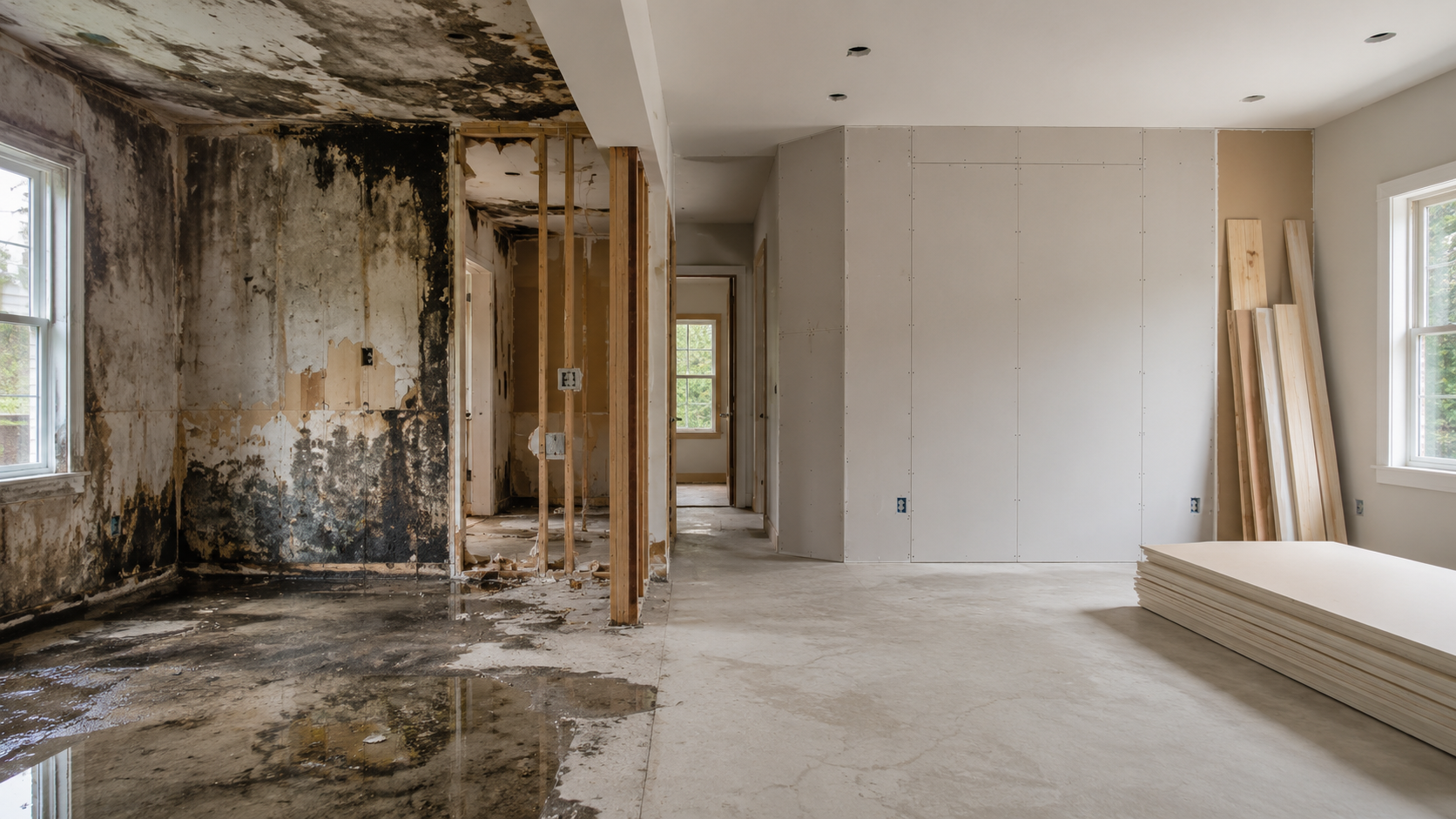
Professional hoarding cleanup may involve more than removing clutter. Depending on the property, the work can include sorting, disposal, deep cleaning, sanitizing, odor control, mold remediation, water damage restoration, and repairs after hidden conditions are uncovered.
McMahon Services & Construction Corp provides professional hoarding cleanup services for families, homeowners, landlords, and property managers who need discreet and respectful support.
Key Takeaways
- Address blocked exits, unstable piles, mold, pests, waste, and electrical hazards before sorting begins.
- Decide which rooms, pathways, or essential areas need attention first.
- Identify documents, medications, valuables, keys, photographs, and keepsakes that require review.
- Take photos and videos before removal changes the condition of the property.
- Discuss disposal rules, saved-item storage, contamination, and restoration needs with the cleanup team.
- Approach the property owner with calm, specific language focused on safety rather than blame.
How to Prepare for Hoarding Cleanup
Quick Answer
Prepare for hoarding cleanup by checking immediate safety risks, choosing the first area to address, identifying belongings that need review, documenting the property, arranging a secure place for saved items, and agreeing on the cleanup plan with the professional team.
Families should avoid beginning with rushed disposal or arguments about what has value. The property owner may feel embarrassed, anxious, protective of belongings, or overwhelmed by the size of the project. A structured plan helps keep the process focused on safety, respect, and steady progress.
The first objective is rarely to make the entire property perfect in one day. A more realistic starting point may be clearing one exit, restoring access to a bathroom, creating a safe kitchen pathway, or addressing a room with moisture, waste, or pest concerns.
Hoarding Cleanup Preparation Snapshot
First Priority
Protect people, pets, emergency exits, utilities, and safe access before belongings are sorted.
Best Starting Point
Choose one pathway, doorway, bathroom, kitchen area, or high-risk room instead of attempting the entire property at once.
Items to Identify
IDs, medications, financial records, legal documents, keys, photographs, valuables, and sentimental belongings.
When Professionals Are Needed
Call for help when the property has blocked exits, mold, pests, waste, strong odors, water damage, unstable piles, or inaccessible rooms.
Begin With a Safety Assessment
Families often begin by deciding what should stay and what should be discarded. Before sorting, evaluate whether the property is safe to enter and work inside.
Severe accumulation may conceal unstable stacks, damaged flooring, electrical cords, heaters, water leaks, mold, animal waste, spoiled food, sharp objects, pest activity, or blocked exits. Moving one pile without a plan can cause another section to shift or expose contamination.
Safety Conditions to Identify
- Blocked doors, windows, hallways, stairs, or emergency exits
- Narrow or unstable walking paths
- Piles leaning against doors, appliances, heaters, or electrical equipment
- Visible mold or strong musty odors
- Rodent droppings, insects, nests, or chewed materials
- Animal or human waste
- Needles, broken glass, chemicals, or other hazardous items
- Water stains, wet carpet, soft drywall, or damaged ceilings
- Rooms that cannot be safely entered
Safety Comes Before Sorting
Do not begin aggressive removal when unstable piles, contamination, mold, waste, electrical hazards, or structural damage may be present. A professional assessment can help determine the safest order of work.
Start by Creating Safe Access
The first practical goal may be one doorway, one hallway, one bathroom path, or one usable exit. Improving access can make the rest of the cleanup safer and easier to organize.
How to Discuss Hoarding Cleanup With a Loved One
Hoarding cleanup can be emotionally difficult. The person living in the property may feel shame, grief, fear, anger, anxiety, or concern that important belongings will be discarded without permission.
Begin with specific safety concerns rather than criticism. Instead of saying, “This place is a mess,” focus on the practical issue:
- “I am concerned that the front door is difficult to reach.”
- “I want to help make the bathroom safer to use.”
- “The water stain behind these boxes may need to be checked.”
- “Let us begin with one pathway instead of the entire house.”
Avoid threatening to discard everything or making promises that cannot be kept. Some contaminated, mold-damaged, pest-damaged, or unsafe belongings may not be suitable to retain. A more accurate approach is to explain that important items will be reviewed when they can be handled safely.
Cleanup addresses the physical condition of the property. It is not a replacement for mental health treatment or behavioral support. The International OCD Foundation Hoarding Center provides educational resources for individuals and families seeking additional support.
Identify Important Items Before Removal Begins
One of the most useful preparation steps is creating a written list of items that should be watched for during sorting. This does not guarantee that every item can be saved, but it gives the family and cleanup team clear priorities.
Important Item Checklist
- Driver’s licenses, passports, birth certificates, and Social Security cards
- Insurance policies, tax records, bank documents, and legal papers
- Prescription medications and medical equipment
- House keys, vehicle keys, phones, chargers, and important electronics
- Jewelry, cash, collectibles, and other valuables
- Family photographs, letters, heirlooms, and sentimental belongings
- Property records, leases, deeds, and vehicle titles
- Contact information and appointment records
Families should also decide where saved items will go. A clean room, relative’s home, secure storage container, or labeled temporary storage area may be needed. Items should not be returned to spaces affected by mold, pests, sewage, or ongoing water damage.
It is helpful to establish simple sorting categories before work begins:
- Keep: Items confirmed for safe storage
- Family review: Items requiring a decision
- Donate: Clean and usable items approved for donation
- Recycle: Materials accepted by local recycling programs
- Dispose: Unwanted, damaged, contaminated, or unsafe items
Document the Property Condition Before Cleanup
Photos and videos create a record of the property before removal, cleaning, or restoration changes the scene. Documentation can be especially useful for landlords, property managers, families coordinating decisions, and situations involving property damage.
What to Document
- Blocked entrances, exits, pathways, and stairways
- Rooms that cannot be entered or used
- Visible mold, water stains, wet materials, and damaged ceilings
- Pest activity, waste, spoiled food, or contamination
- Damaged carpet, flooring, walls, cabinets, and fixtures
- Plumbing, electrical panels, appliances, and mechanical equipment
- Areas with strong or unusual odors
- Important belongings visible before removal
Take wide photographs of each room, then closer images of specific concerns. A slow video walkthrough can also help explain where blocked access, damage, or hazards were located.
Do not delay urgent safety action to document every item. When immediate danger is present, protecting people comes first.
Set Clear Cleanup Priorities
A large hoarding cleanup becomes more manageable when the property is divided into phases. Families should identify which areas create the greatest safety or sanitation risk and address those areas first.
Possible Cleanup Priorities
- Open at least one safe entrance and emergency exit.
- Create stable walking paths through essential areas.
- Restore access to a working bathroom.
- Clear safe access to the kitchen and food-storage areas.
- Reach electrical panels, heating systems, plumbing shutoffs, and appliances.
- Address waste, spoiled food, pest activity, and strong odors.
- Expose areas with possible water damage or mold.
- Clear bedrooms and living spaces after immediate hazards are controlled.
The cleanup order may change when the team discovers unstable materials, contamination, active leaks, or other conditions that require immediate attention.
What to Discuss With the Professional Cleanup Team
Before service begins, the family or property owner should explain the known conditions and decision-making expectations. Clear communication helps the cleanup team prepare the correct equipment, personnel, disposal plan, and restoration support.
Topics to Review Before Cleanup
- Which rooms and pathways are most urgent
- Whether the property is occupied
- Known mold, water damage, pests, waste, or strong odors
- Whether needles, chemicals, or other hazardous items may be present
- Which belongings require family review
- Who has authority to approve disposal decisions
- Where saved belongings will be stored
- Who will be present during cleanup
- Whether cleaning, sanitizing, deodorizing, or repairs may be needed
- Access, parking, elevators, keys, gates, or building restrictions
Some property owners prefer to participate in sorting, while others may become overwhelmed by the process. Families should identify one primary contact who can communicate with the team and make timely decisions.
Property owners can use McMahon Services’ request a quote page to share information about the property and begin discussing the cleanup scope.
How to Prepare for Cleanup Day
A few practical arrangements can help cleanup day proceed more smoothly.
Before the Team Arrives
- Confirm the date, arrival window, and primary contact person.
- Provide access instructions, keys, gate codes, or parking information.
- Arrange a safe location for children and pets.
- Prepare containers or a secure area for saved documents and valuables.
- Inform the team of known hazards or inaccessible areas.
- Decide who can approve disposal when the property owner is unavailable.
- Avoid moving unstable, wet, moldy, or contaminated items before the assessment.
Families should wear appropriate clothing and avoid entering active work areas unless the cleanup team confirms it is safe. Some rooms may require controlled access because of dust, pests, contamination, or unstable accumulation.
What Happens After the Clutter Is Removed?
Removing accumulated belongings often reveals the actual condition of the property. Hidden stains, damaged flooring, mold, pest contamination, water damage, cabinet deterioration, drywall damage, and persistent odor may become visible only after surfaces are exposed.
This does not mean the cleanup was unsuccessful. It means the removal phase made it possible to inspect and address conditions that were previously concealed.
Possible Next Steps
- Detailed cleaning and sanitizing
- Odor-source removal and deodorizing
- Pest-control coordination
- Water extraction and structural drying
- Mold remediation
- Removal of damaged carpet, drywall, insulation, or cabinets
- Flooring, drywall, painting, and construction repairs
- Ongoing storage and housekeeping planning
McMahon Services provides restoration and cleaning services when a property needs additional cleaning, moisture control, deodorizing, remediation, or repair after clutter is removed.
Families should also establish a plan for maintaining safe access. This may include routine cleaning assistance, organized storage, scheduled family check-ins, limits on new items, and qualified emotional or behavioral support when needed.
Frequently Asked Questions About Preparing for Hoarding Cleanup
How should families prepare for professional hoarding cleanup?
Families should identify safety concerns, document the property, list important belongings, choose the first areas to address, arrange storage for saved items, and discuss the plan with the cleanup company before removal begins.
Should everything be thrown away during hoarding cleanup?
No. Important documents, medications, valuables, photographs, keepsakes, and usable belongings can be reviewed when safe. However, items affected by waste, mold, pests, water damage, or other contamination may require special handling or disposal.
What area should be cleaned first?
The first area should usually improve safety or essential access. This may be an emergency exit, main hallway, bathroom path, kitchen path, stairway, electrical panel, or room containing an active hazard.
Should the property owner be present?
It depends on the person and the project. Some owners want to participate in sorting, while others find the process distressing. The family and cleanup company should decide who will be present and who can approve important decisions.
Can hoarding cleanup reveal water damage or mold?
Yes. Accumulated belongings can conceal plumbing leaks, roof leaks, wet carpet, mold, damaged drywall, warped flooring, and pest-related damage. Restoration or repair may be needed after removal.
When should a family call professionals?
Professional help is recommended when exits are blocked, rooms are inaccessible, piles are unstable, or the property contains mold, pests, waste, strong odors, water damage, hazardous items, or contamination.
Does professional hoarding cleanup include odor removal?
It can include cleaning and deodorizing, depending on the odor source and property condition. Persistent odors may require removal of contaminated carpet, furniture, drywall, waste, or other porous materials.
How long does hoarding cleanup take?
The timeline depends on the property size, volume of belongings, number of rooms, sorting requirements, contamination level, access limitations, disposal needs, and whether restoration work is required.
Related McMahon Services
Hoarding Cleanup
Professional cleanup for properties affected by excessive accumulation, unsafe access, odors, contamination, and hidden damage.
Request a Quote
Share information about the property and begin discussing the safest cleanup approach.
Mold Remediation
Professional support when clutter removal reveals mold or long-term moisture damage.
Restoration and Cleaning
Additional cleaning, deodorizing, restoration, and repair support after hidden property damage is uncovered.
Get Help Preparing for Hoarding Cleanup
Preparing for hoarding cleanup begins with safety, clear priorities, important-item identification, documentation, and a respectful plan. The process is easier to manage when everyone understands which areas come first, who can make decisions, and how saved belongings will be handled.
McMahon Services & Construction Corp provides discreet hoarding cleanup for families, homeowners, landlords, and property managers in Chicago, Lake County, Northern Illinois, and surrounding communities.
Visit the professional hoarding cleanup service page or request a quote to discuss the property and determine the safest next step.




0 Comments